

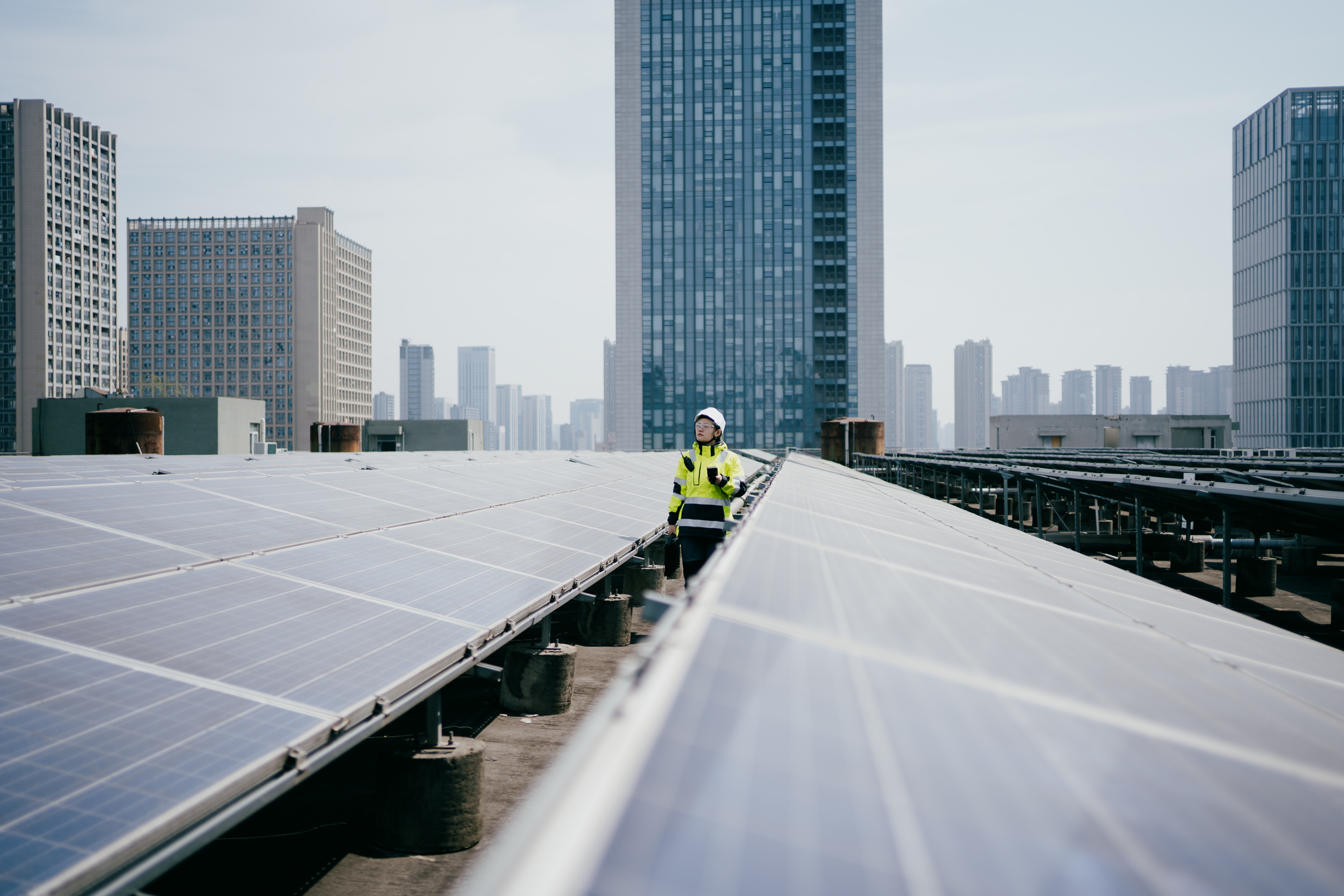
China’s solar manufacturing sector is confronting a significant imbalance between production capacity and global market demand. Research indicates the country currently possesses manufacturing facilities capable of producing twice the world’s annual solar panel consumption. If all recently announced factory projects proceed, this capacity gap could widen further, exacerbating existing market pressures.
The oversupply situation has created severe competitive dynamics within the industry. Manufacturers have engaged in aggressive price competition to capture market share, resulting in substantial financial losses across the sector. In the first quarter of this year, Chinese solar producers reported $1.5 billion in combined losses, continuing a trend of unprofitability spanning approximately three years. Major manufacturers including JinkoSolar and Longi have simultaneously contended with declining domestic installations, international trade restrictions, and softening global demand.
Government efforts to stabilize the market through production controls have largely proven ineffective. Regional authorities have hesitated to restrict local manufacturing development due to significant prior investments in solar supply chains. Some producers have circumvented oversight by constructing unlicensed facilities or operating without proper authorization, according to reports. Despite these challenges, Chinese policymakers have continued emphasizing growth and technological advancement rather than supply rationalization.
The persistent oversupply has generated meaningful benefits for global decarbonization efforts. Consistently low panel prices have accelerated renewable energy adoption worldwide, with solar power surpassing coal as an electricity source in the United States for the first time recently. Clean energy sources collectively met all new global electricity demand in 2025, preventing increased fossil fuel generation. China itself has benefited, with its emissions growth appearing to plateau.
China’s latest strategic planning documents signal continued commitment to expanding and upgrading its solar manufacturing ecosystem rather than constraining production. This approach contrasts sharply with the United States’ market-dependent solar sector development. Industry experts anticipate that barring significant disruptions from unsustainable business models or geopolitical factors, inexpensive Chinese solar products will remain available for several additional years, supporting global clean energy transition objectives.
Article Attribution | Read More at Article Source
Article summary produced by Claude AI