

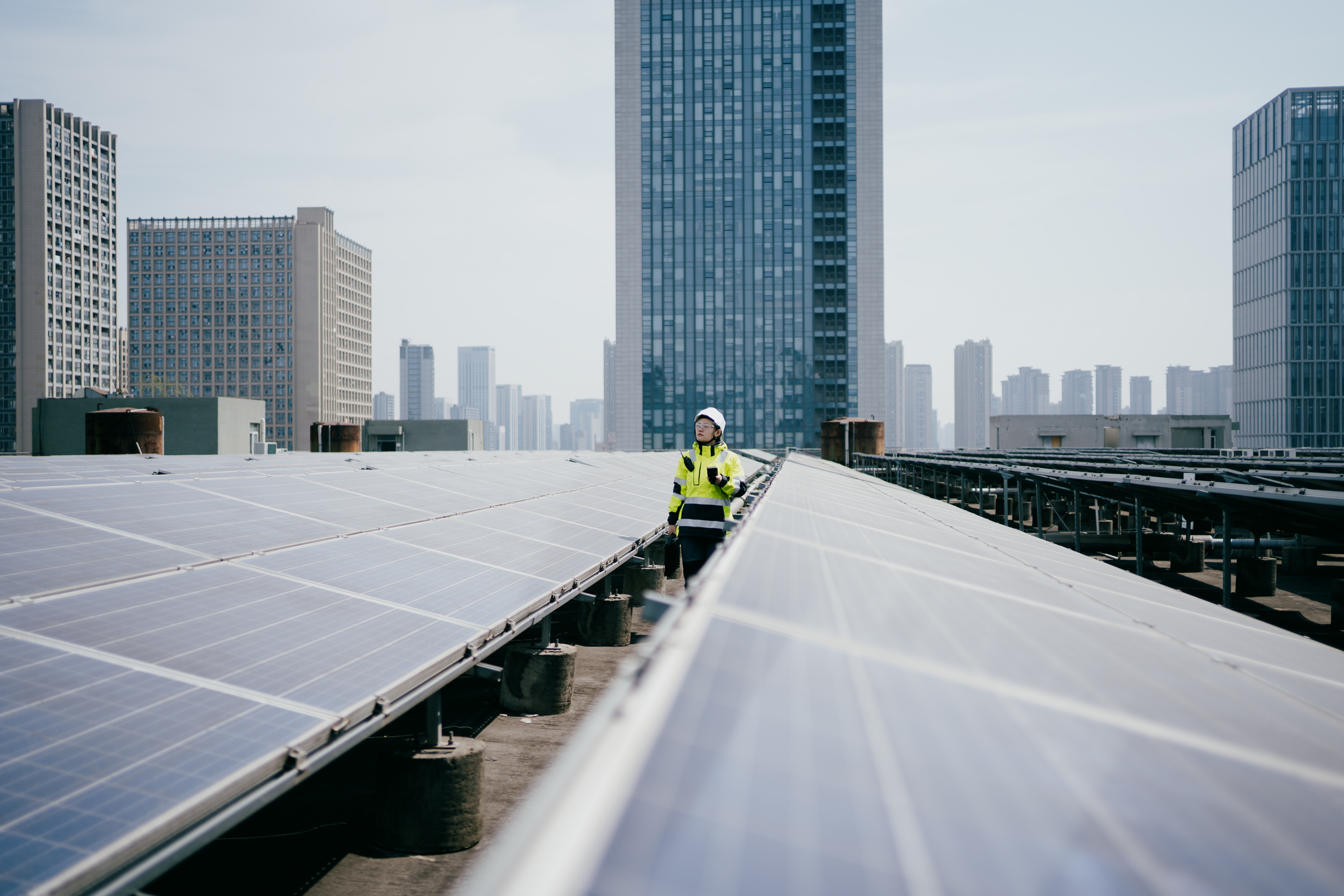
China’s solar manufacturing sector is experiencing a significant market imbalance, with production capacity roughly double the current global demand for solar products. According to analysis by research firm Rhodium Group, if all newly announced factories are constructed, manufacturing capacity could expand further, widening the gap between supply and demand. This oversupply has contributed to continuous losses across the industry, with Chinese solar manufacturers reporting $1.5 billion in losses during the first quarter of 2026, extending a roughly three-year period of unprofitability.
The market conditions have sparked intense price competition among manufacturers, driving panel prices downward substantially. Major industry players including JinkoSolar and Longi have faced additional headwinds from slowing domestic installations, U.S. trade barriers, and weakening global demand. Chinese officials have attempted for years to address the overcapacity problem through various interventions, though these efforts have proven largely unsuccessful. Regional governments, which have invested significantly in solar manufacturing infrastructure, have resisted reducing local development initiatives.
Despite the financial difficulties facing the sector, China’s policy approach appears to prioritize technological advancement and market dominance over immediate profitability. Recent government statements and the country’s five-year plan indicate continued support for expanding and upgrading solar supply chains rather than implementing strict production controls. This strategy contrasts sharply with the U.S. approach, which relies on market conditions and has recently experienced reduced policy support for solar development.
The global implications of China’s approach remain substantial. The continued availability of inexpensive Chinese solar panels has accelerated renewable energy adoption worldwide. Solar power surpassed coal as an electricity source in the United States in May of this year for the first time on record. Internationally, clean energy sources met all new electricity demand growth globally in 2025, preventing an increase in fossil fuel generation. Industry experts suggest that absent significant disruptions, low-cost Chinese solar products will likely remain available for several more years, supporting global decarbonization efforts.
Article Attribution | Read More at Article Source
Article summary produced by Claude AI