

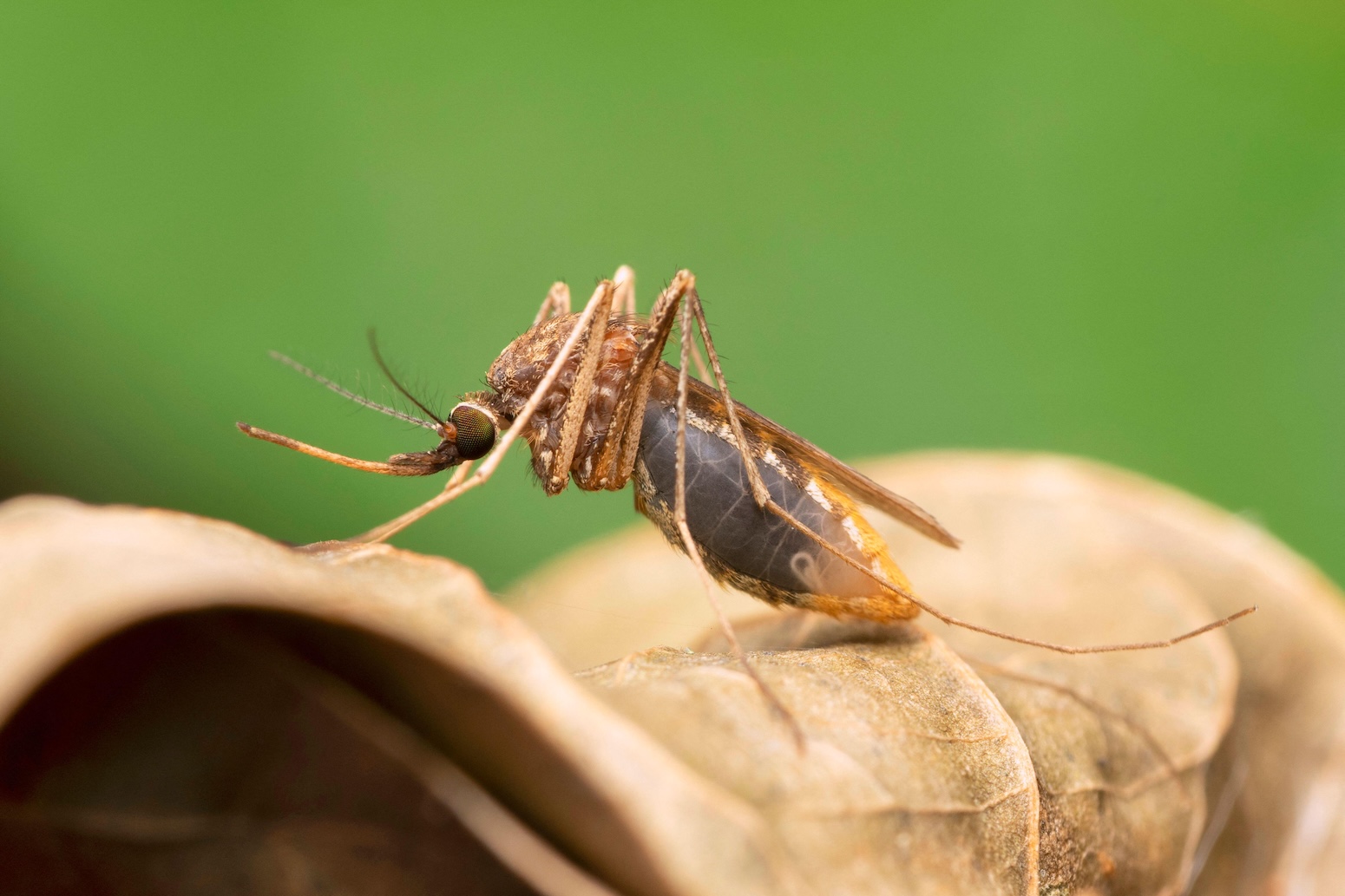
A comprehensive study published in Nature examines how climate change has affected childhood malaria rates across sub-Saharan Africa over the past century and projects future trends. The research utilizes an extensive dataset of over 50,000 blood samples collected from 1900 to 2016, making it one of the largest and most detailed records of any infectious disease’s geographic distribution.
The analysis reveals that malaria prevalence peaks at average monthly temperatures around 24.9 degrees Celsius, declining in both warmer and cooler climates. Since 1900, climate change has contributed to one additional malaria case per 1,000 children across the region on average. The redistribution of risk is highly geographically specific: cooler areas such as the Ethiopian highlands and southern Africa are experiencing increased malaria rates as rising temperatures create more suitable conditions for mosquitoes, while warmer regions of western and central Africa are seeing decreased cases as temperatures move beyond the insects’ optimal range.
The research employs climate attribution methods—comparing modeled conditions in worlds with and without human-caused climate warming—to isolate climate’s specific impact on malaria from other factors. Importantly, the study finds that public health interventions and policy measures have had far greater impact on malaria reduction than climate change. Over 2000-2015, targeted malaria prevention efforts reduced prevalence by approximately 16 percentage points, a reduction roughly 200 times larger than climate change’s cumulative impact to date.
Projections through the end of the century under moderate emissions scenarios indicate malaria cases will decline by approximately 3 cases per 1,000 children in central Africa and 16 cases per 1,000 in west Africa, while increasing by around 20 percent in cooler highland and coastal southern regions. The findings suggest that continued investment in surveillance, prevention, and treatment programs will remain far more influential than climate factors alone in determining malaria’s future trajectory across the continent.
Article Attribution | Read More at Article Source
Article summary produced by Claude AI