

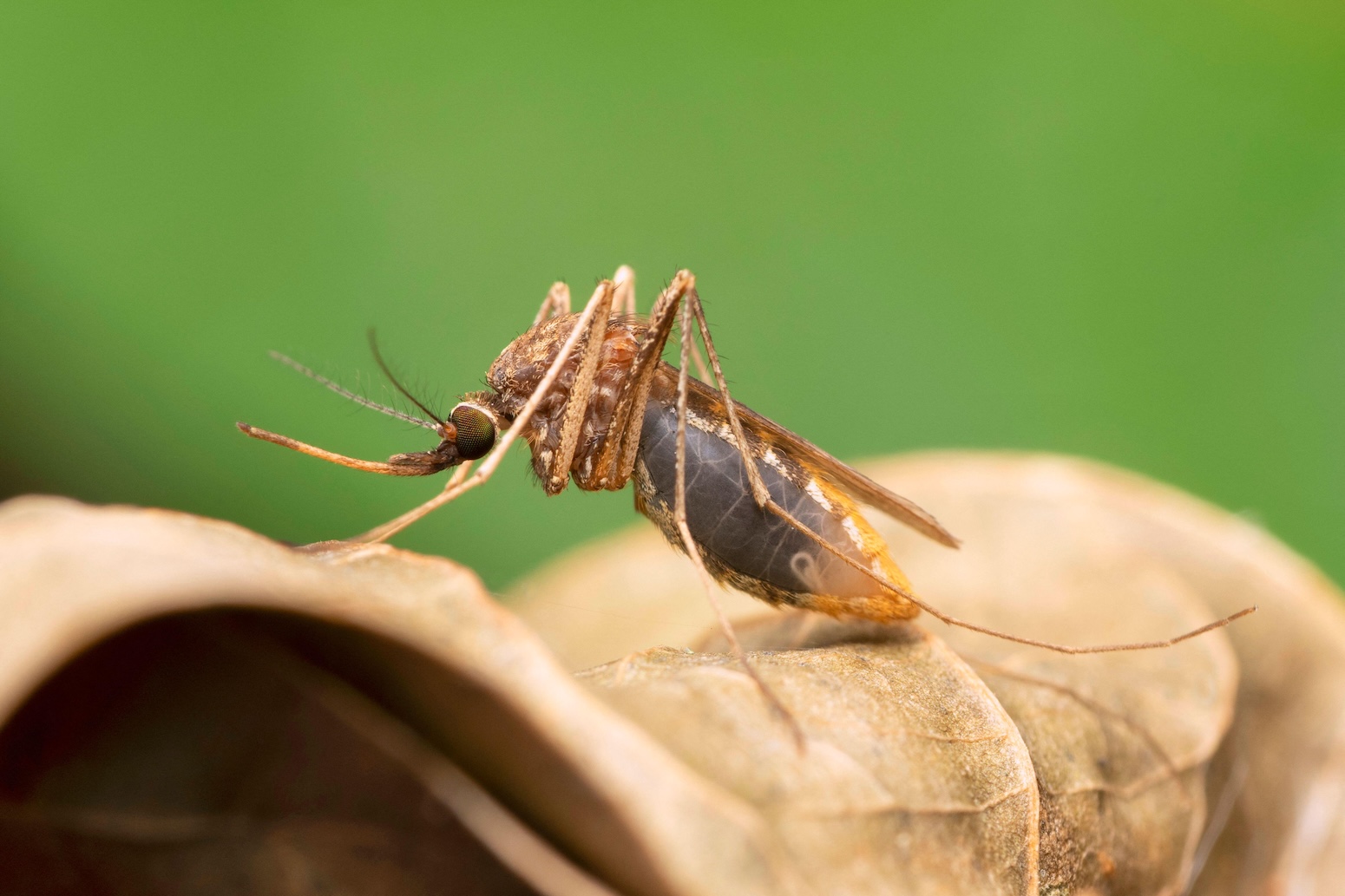
A new study published in Nature analyzes how climate change has redistributed malaria risk across sub-Saharan Africa over the past 125 years and into the future. Using an extensive dataset of over 50,000 blood samples collected from the region between 1900 and 2016, researchers employed climate attribution methodology to isolate the specific impacts of warming temperatures on childhood malaria patterns.
The research reveals that climate change has contributed approximately one additional malaria case per 1,000 children in sub-Saharan Africa since 1900. However, the effects are geographically uneven. Cooler regions in the east and south of the continent face increased malaria risk as rising temperatures create conditions more suitable for disease-carrying mosquitoes. Conversely, warmer regions in western Africa are experiencing reduced malaria transmission as temperatures exceed the optimal range for mosquito survival. The researchers determined that malaria prevalence in children peaks at average monthly temperatures around 24.9 degrees Celsius, declining in both warmer and cooler conditions.
While projections suggest overall malaria rates will decline across the continent during the 21st century as temperatures continue rising, experts emphasize that continent-wide averages mask critical local variations requiring targeted interventions. The study identifies temperature as more influential than rainfall in predicting malaria rates, though both factors play roles in transmission dynamics.
Crucially, the research highlights that climate change is not the primary driver of shifting malaria risk in Africa. Public health measures, government policy, surveillance systems, and healthcare improvements have had substantially greater impacts on disease burden. The findings underscore that effective prevention, treatment, and monitoring remain far more actionable and influential than climate factors alone in efforts to eliminate malaria, which continues to kill hundreds of thousands annually, predominantly affecting African children under five.
Article Attribution | Read More at Article Source
Article summary produced by Claude AI