

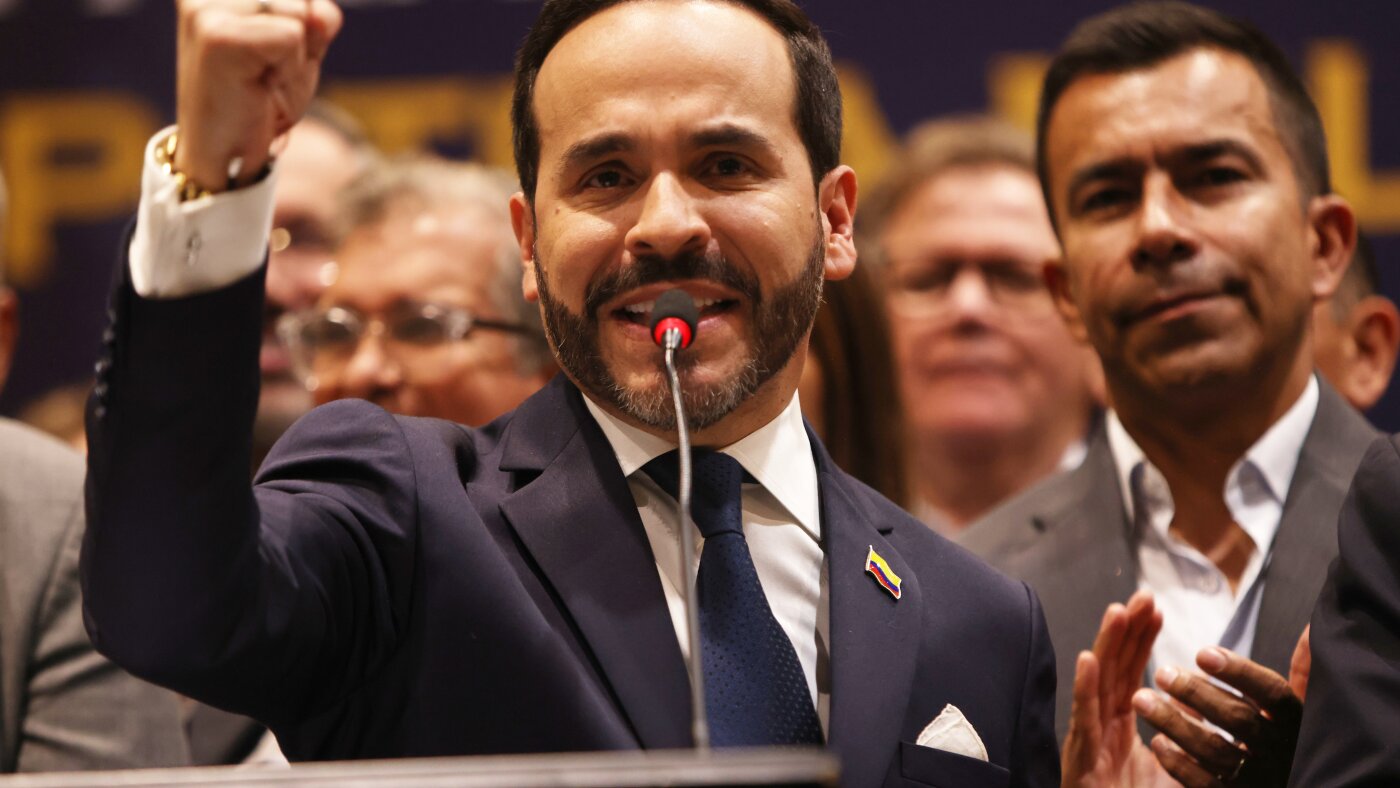
Abelardo de la Espriella, a 48-year-old former criminal defense lawyer and political outsider, is set to take the oath of office as Colombia’s president on Friday. The ceremony will take place in Cali, a southwestern city heavily affected by drug violence and rebel activity, rather than in the traditional location of Bogotá. Approximately 11,000 troops have been deployed to secure the event, with drones banned and vehicle restrictions in place to prevent potential attacks or disruptions.
De la Espriella’s election represents a rightward shift in Colombian politics following four years under progressive President Gustavo Petro. The new president has campaigned on a platform of greater military force against rebel groups and drug gangs, marking a departure from Petro’s “Total Peace” negotiation strategy. De la Espriella has stated that territorial control and security will be fundamental priorities for his administration, criticizing the previous government’s approach as ineffective.
The incoming president faces substantial challenges, including a budget deficit that doubled under Petro’s tenure. De la Espriella has proposed cutting government spending by up to 40 percent and has already announced the closure of 14 Colombian embassies abroad. His policy agenda also includes building large prisons, resuming aerial spraying of illegal coca crops—a practice halted over a decade ago due to environmental concerns—and accelerating extradition of rebel leaders wanted in the United States.
International observers note both potential benefits and risks in de la Espriella’s hardline approach. While increased military pressure could weaken armed groups and encourage demobilization, analysts warn that completely eliminating dialogue with approximately 27,000 individuals involved in various armed and criminal organizations may prove counterproductive. De la Espriella has aligned Colombia’s foreign policy closer to the Trump administration, supporting military operations against suspected drug vessels and cutting ties with Cuba while restoring relations with Israel.
Domestically, the new president must contend with a fragmented Congress to advance his reforms and faces opposition from outgoing President Petro, who has disputed the election results without providing substantial evidence. Political analysts suggest that these challenges could intensify resistance to de la Espriella’s policies, particularly concerns among Colombians about potential human rights abuses by security forces.
Article Attribution | Read More at Article Source
Article summary produced by Claude AI