

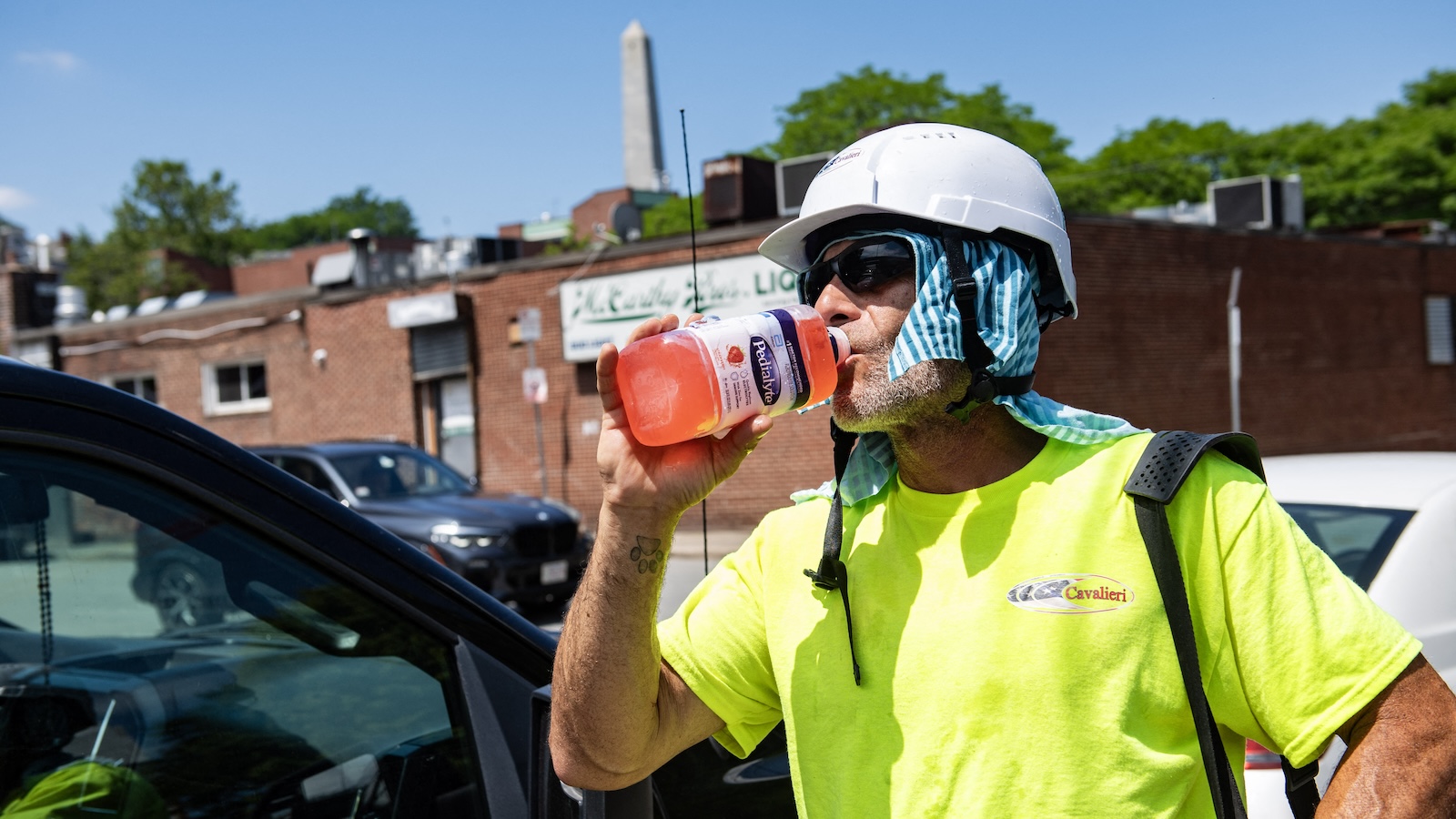
The House Committee on Education and the Workforce voted along party lines to advance H.R. 6213, legislation that would prevent the Occupational Safety and Health Administration from finalizing a proposed federal rule designed to protect workers from heat-related illness and injury. The measure, introduced by Representative Mark Messmer of Indiana, comes as the nation experiences extreme heat events, including an 18-day heat warning in Phoenix earlier in the summer.
The proposed OSHA rule, initially developed during the Biden administration, would require employers to provide workers with access to rest, shade, and water when workplace conditions pose heat risks. The regulation would mandate safety plans when heat index reaches 80 degrees Fahrenheit and require additional measures above 90 degrees. Supporters of the rule emphasize that three-quarters of occupational heat deaths occur within a worker’s first week on the job, making acclimatization protocols critical. Proponents argue the standards reflect established science and are comparable to other OSHA regulations based on occupational health data.
Opponents contend the rule is unnecessarily rigid and imposes undue burdens on employers. Representative Messmer characterized the standard as redundant, arguing that individual states should set their own workplace safety requirements. However, legal experts note that some states, including Texas and Florida, have prevented municipalities from establishing independent heat safety standards, creating gaps in worker protections.
Labor advocates and environmental health organizations have expressed concern about the legislative action, noting it represents an unusual intervention in OSHA’s regulatory process. The agency had indicated plans to publish a supplemental proposal later in the year that would incorporate significant revisions to the original rule. Democratic representatives have opposed the measure, with some highlighting recent efforts to establish heat safety standards at the state and local level.
Article Attribution | Read More at Article Source
Article summary produced by Claude AI