

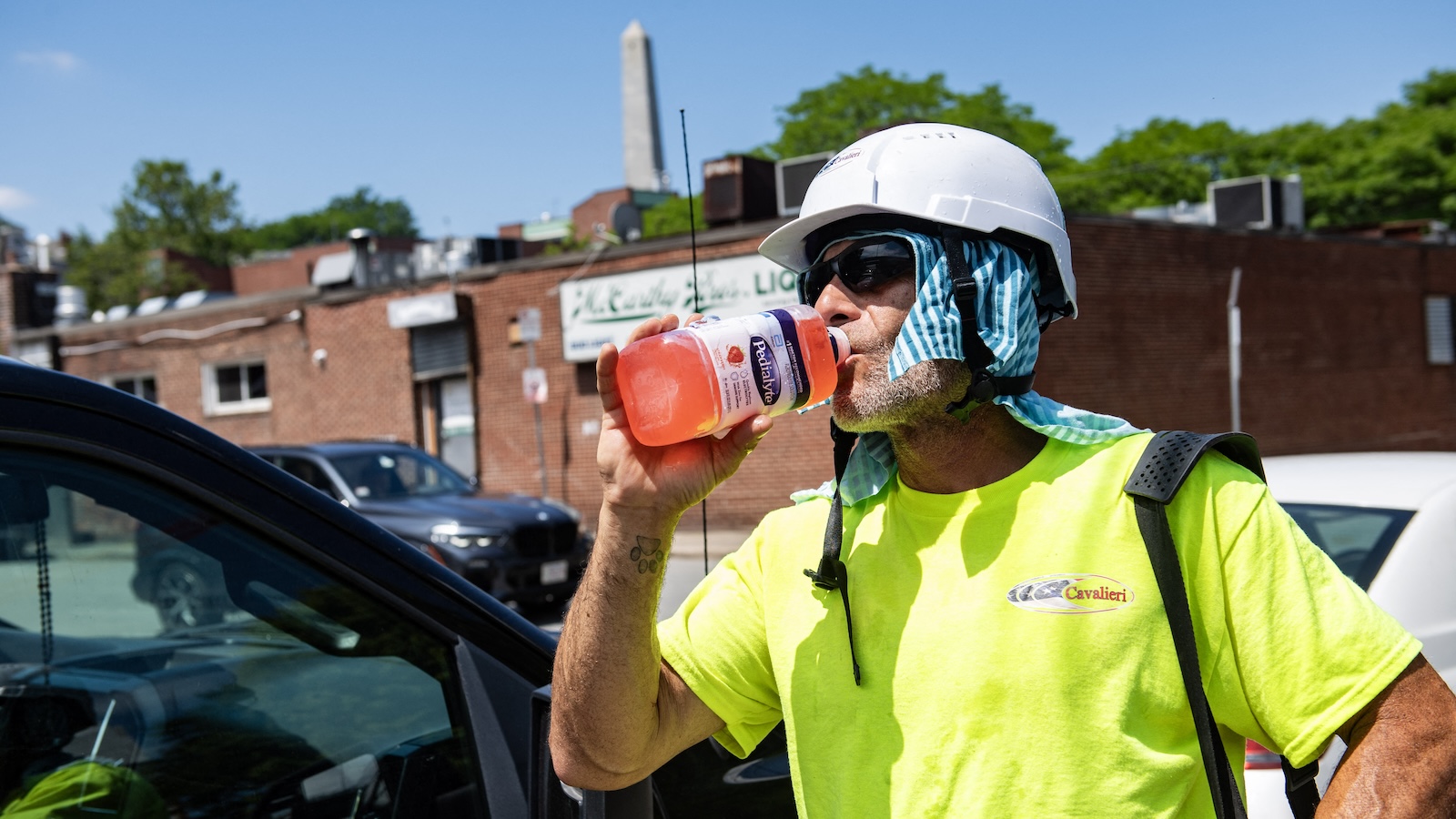
The House Committee on Education and the Workforce voted to advance H.R. 6213, legislation introduced by Representative Mark Messmer of Indiana that would prevent OSHA from finalizing a proposed federal rule on workplace heat safety. The vote occurred as the nation experienced record-breaking heat in July, including a prolonged extreme heat warning in Phoenix, Arizona. Messmer has characterized the proposed rule as unnecessary and burdensome to employers.
The OSHA heat rule, developed during the Biden administration, would require employers to provide workers with access to rest, shade, and water. The proposed standards would mandate safety plans when heat index reaches 80 degrees Fahrenheit and additional protective measures above 90 degrees. Employers would also need to develop worker acclimatization plans, with advocates noting that three of four occupational heat deaths occur within a worker’s first week on the job. Labor advocates argue the rule is based on established science and represents commonsense workplace protections.
Opposition to the rule has primarily come from pro-business groups contending that such regulations would increase costs and hinder economic growth. The committee vote split along party lines, with Democratic members expressing concern about the bill. Representative Adelita Grijalva of Arizona, who previously championed heat safety measures at the county level, stated the bill would erase progress toward establishing uniform national standards. Representative Mark DeSaulnier of California characterized the outcome as evidence of an imbalance favoring corporate interests over worker safety.
Messmer’s office argues that a federal rule is redundant given states’ ability to establish their own workplace safety regulations. However, some states including Texas and Florida have preempted local municipalities from creating heat illness protections. Legal experts have noted the unusual nature of Congress moving to block a rule that has not yet been finalized. OSHA had already indicated plans to publish a supplemental proposal later this year that would make significant changes to the original Biden-era proposal, according to former OSHA officials.
Meanwhile, worker safety advocates report that efforts to establish heat protections are shifting to the state level, with Virginia beginning its own rule-making process. Labor groups and unions are also mobilizing to address worker concerns about hazardous heat conditions.
Article Attribution | Read More at Article Source
Article summary produced by Claude AI