

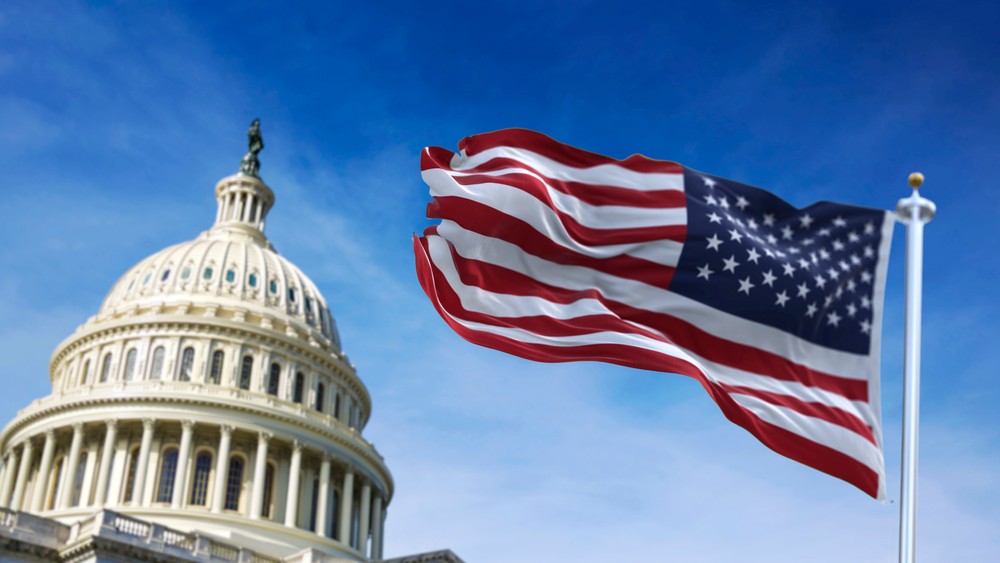
The US House of Representatives advanced legislation on August 10 to impose comprehensive sanctions targeting Russia’s war economy, following the Senate’s approval of the measure by an 86-11 margin the previous week. The bipartisan package, named after late Senator Lindsey Graham, was introduced by Republican Representatives Michael McCaul of Texas and Brian Fitzpatrick of Pennsylvania, alongside Democratic Congressman Steny Hoyer of Maryland, and numerous other lawmakers from both parties.
The legislation targets multiple revenue streams sustaining Russia’s military operations, including Russian banks, energy sector revenues, oligarchs, vessels involved in transporting sanctioned goods, and sanctions-evasion networks. The bill also extends existing sanctions against Iran through 2031 and targets Chinese entities assisting Russia’s defense-industrial base. A centerpiece provision authorizes the president to impose tariffs up to 500 percent on Russian goods and up to 100 percent on imports from major purchasers of Russian energy or facilitators of sanctions evasion, potentially affecting eight nations identified as significant Russian energy buyers.
Key supporters emphasized the legislation’s strategic importance to Ukraine’s position in potential negotiations. McCaul stated that Ukrainian President Volodymyr Zelenskyy expressed readiness for cease-fire discussions during a recent visit, while Russian President Putin has refused negotiations. House Democrats and Republicans characterized the sanctions as essential economic pressure on Moscow’s war-financing mechanisms.
The rapid House movement capitalizes on the Senate’s overwhelming bipartisan support but sets up potential debate over the tariff provisions’ scope and presidential authority. Lawmakers acknowledged that negotiations could continue regarding how broadly the president’s tariff power should apply. The legislation requires presidential certification of a Ukraine-accepted peace agreement and cessation of military hostilities before sanctions can be terminated, preserving them as diplomatic leverage.
Supporters argue the combination of sanctions targeting energy revenues, financial institutions, and illicit shipping networks alongside tariff threats creates meaningful economic pressure on Russia’s military capabilities. The bill represents the culmination of Senator Graham’s year-long effort to strengthen economic pressure on Moscow, with Republican and Democratic lawmakers emphasizing the measure’s importance to demonstrating American commitment to Ukraine’s sovereignty and democratic institutions.
Article Attribution | Read More at Article Source
Article summary produced by Claude AI