

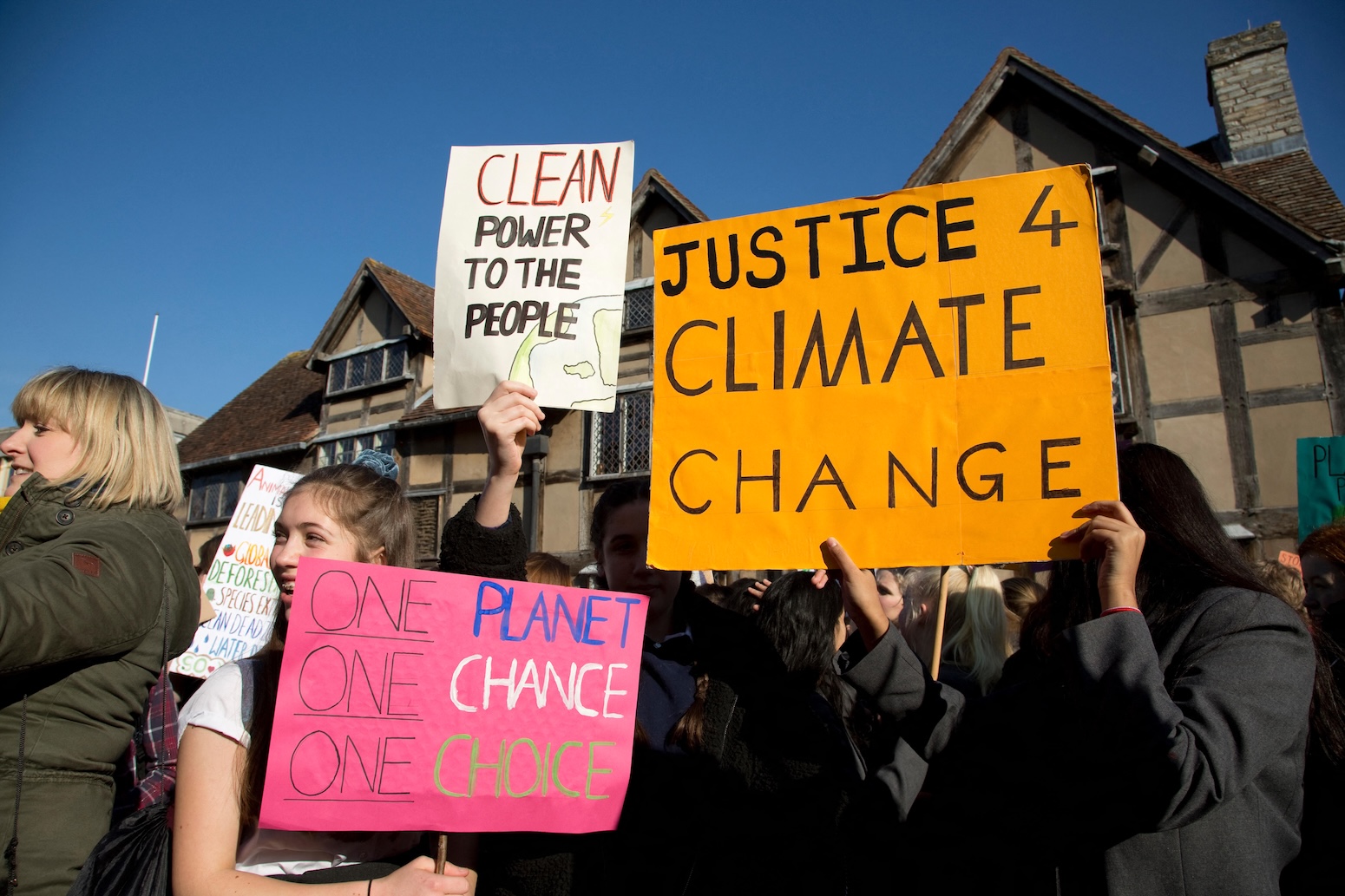
A new study examining climate action perceptions across Germany and the United States finds that the general public holds nuanced views about both their own commitment to addressing climate change and their peers’ involvement in climate efforts. The research, involving surveys of over 5,000 participants across multiple experiments conducted in 2024-25, reveals systematic differences between stated support for climate initiatives and actual behavioral engagement with climate-related actions.
Participants in the study demonstrated a consistent pattern of misestimation when asked about others’ climate behaviors. For instance, when surveyed about donations to environmental organizations, 37% of participants indicated willingness to contribute, yet only 4% actually donated when given the opportunity. Concurrently, respondents predicted that approximately 23% of their peers would donate, suggesting they overestimated the prevalence of climate action among others. The researchers attribute these gaps partly to a cognitive phenomenon known as regression to the mean, where extreme estimates—both very high and very low—tend to be adjusted toward average values in people’s minds. This general human estimation difficulty may explain why perception gaps emerge across different scenarios.
A significant finding of the research is that simply informing people about the actual levels of climate support among their peers does not necessarily translate into increased climate action. While participants who learned that 68% of people supported donating to environmental causes reported greater willingness to donate themselves, this knowledge did not result in measurably higher actual donation rates. Similarly, participants told that only 4% of people actually donated showed no increased engagement in climate discussions, petition signing, or donations compared to control groups. This disconnect between perceived norms and behavioral change suggests that correcting misperceptions alone may be insufficient for promoting tangible climate action.
The study also identifies individual and environmental factors that influence how people estimate their peers’ climate commitment. Those already engaged in climate activism, who frequently discuss the topic, and who consume climate-related media tend to predict higher levels of climate support among the broader population. Researchers suggest that encouraging climate action may require multiple communication strategies and direct experience with observable climate commitments among peers, rather than relying solely on statistical information about support levels. Observable behaviors such as public activism may prove more persuasive in motivating climate action than less visible private actions.
Article Attribution | Read More at Article Source
Article summary produced by Claude AI