

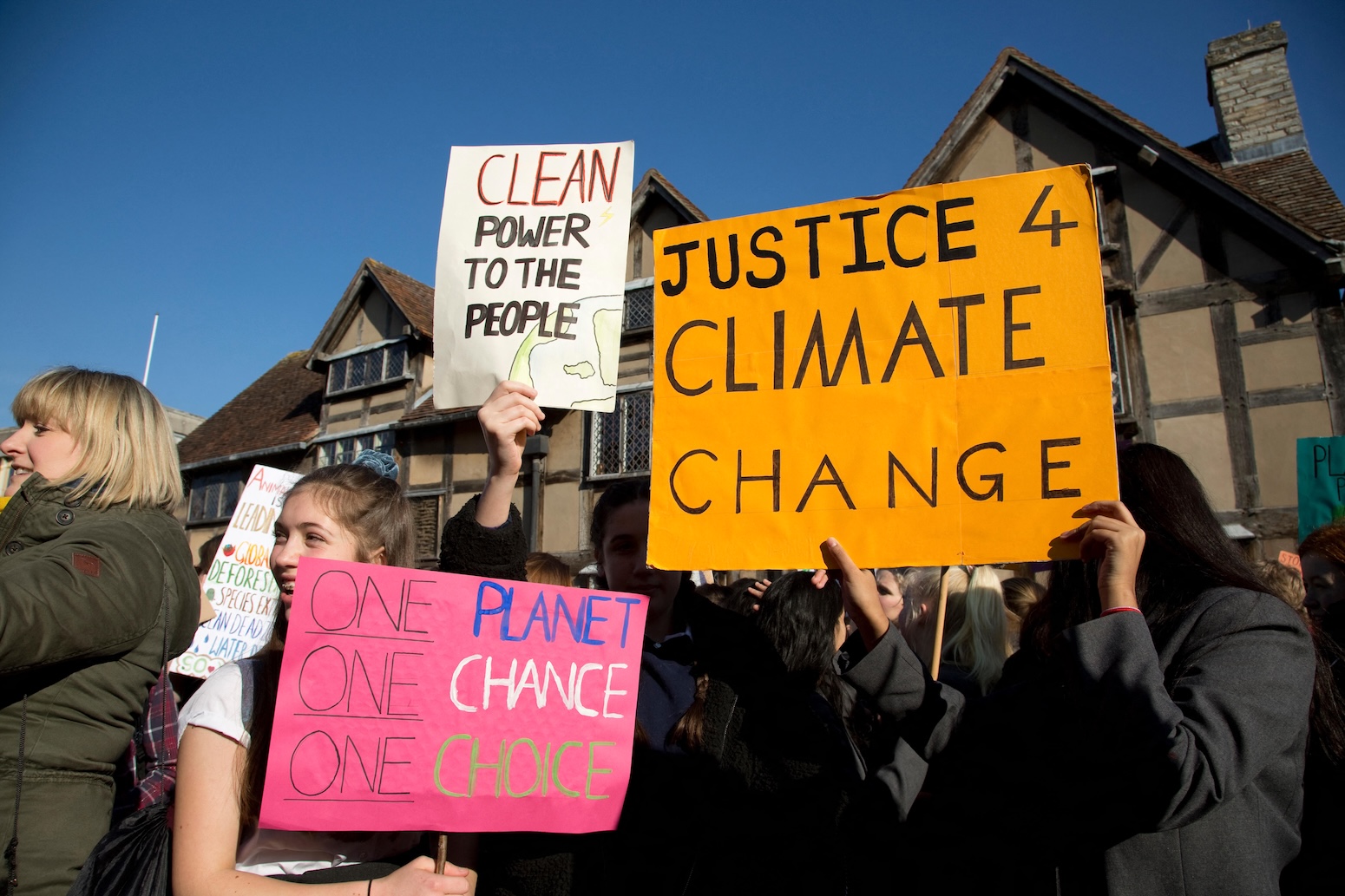
Research published in Nature Climate Change examined the relationship between public perceptions of climate support, actual attitudes toward climate action, and people’s real-world behaviors. The study, based on surveys of more than 5,000 participants across Germany and the US conducted over 2024-25, reveals significant discrepancies between stated support and observable actions.
The research identified what researchers call a “perception gap,” where the public systematically underestimates their peers’ willingness to support climate initiatives while overestimating how many people actually take climate-friendly actions. For instance, in one survey, 37% of participants indicated willingness to donate to environmental organizations, yet only 4% actually did when given the opportunity. Participants predicted that 23% of others had donated, while averaging only 34% for willingness levels.
According to the study authors, this perception gap stems not from ignorance or intentional bias, but rather from cognitive limitations that make accurate estimation of large-group behaviors difficult. The research demonstrates a pattern known as “regression to the mean,” where small percentages of actual support are overestimated and large percentages are underestimated, driving predictions toward the middle range.
When researchers provided participants with information about high levels of support for climate action, some respondents reported increased willingness to engage in related activities. However, when told that only a small percentage of people actually followed through with donations, this information did not increase participants’ stated intentions to discuss climate change, sign petitions, or donate. Critically, none of the groups showed increased actual donation behavior following the interventions.
The findings suggest that communicating support levels alone may be insufficient to drive behavioral change. Researchers note that observable behaviors signaling climate commitment, such as public activism, may prove more influential in encouraging peers to take action than private behaviors like financial donations. The study authors acknowledge that further research across diverse cultural contexts beyond Germany and the US is needed to fully understand these dynamics.
Article Attribution | Read More at Article Source
Article summary produced by Claude AI