

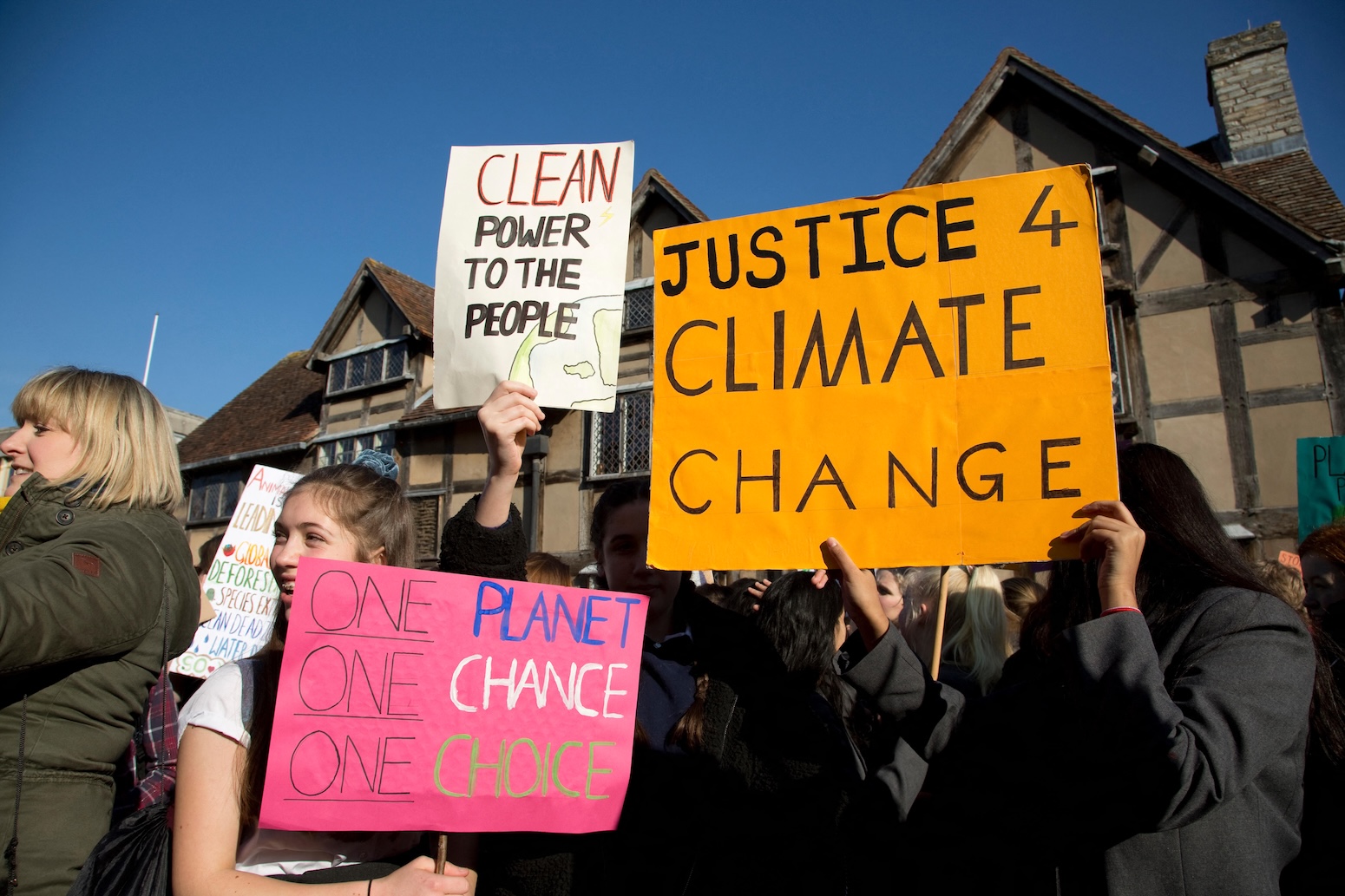
A study published in Nature Climate Change examined how public perceptions of climate attitudes and behaviors differ from reality, drawing on surveys of over 5,000 participants across Germany and the US. The research reveals a persistent “perception gap” where people underestimate widespread support for climate action among their peers while overestimating the actual behaviors others undertake to address the issue.
The study identified a consistent pattern of misestimation driven by cognitive processes that affect how people judge large populations. When support for policies was high, survey participants estimated it lower than actual levels; when support was lower, estimates were higher. This phenomenon, known as “regression to the mean,” suggests the perception gap stems from general brain function rather than ignorance or bias. Participants demonstrated this disconnect clearly: 37% said they would donate to environmental organizations, yet only 4% actually did when given the opportunity, while respondents predicted 23% of others would donate.
Researchers tested whether correcting these misperceptions would encourage action. While informing participants that 68% of people were willing to donate increased stated willingness, merely telling them that only 4% actually donated did not increase willingness to discuss climate change, sign petitions, or donate. Importantly, the corrections produced no measurable increase in actual donations across any group, challenging the assumption that addressing perception gaps would directly drive climate action.
The findings suggest that effectively promoting climate engagement requires more nuanced approaches than simply correcting misperceptions. Experts note that multiple communication attempts, direct experience with climate-supportive norms, or observable behaviors like public activism may prove more effective than providing statistics alone. The researchers acknowledge that further studies across diverse cultural contexts are needed beyond Germany and the US to validate these results.
Article Attribution | Read More at Article Source
Article summary produced by Claude AI