

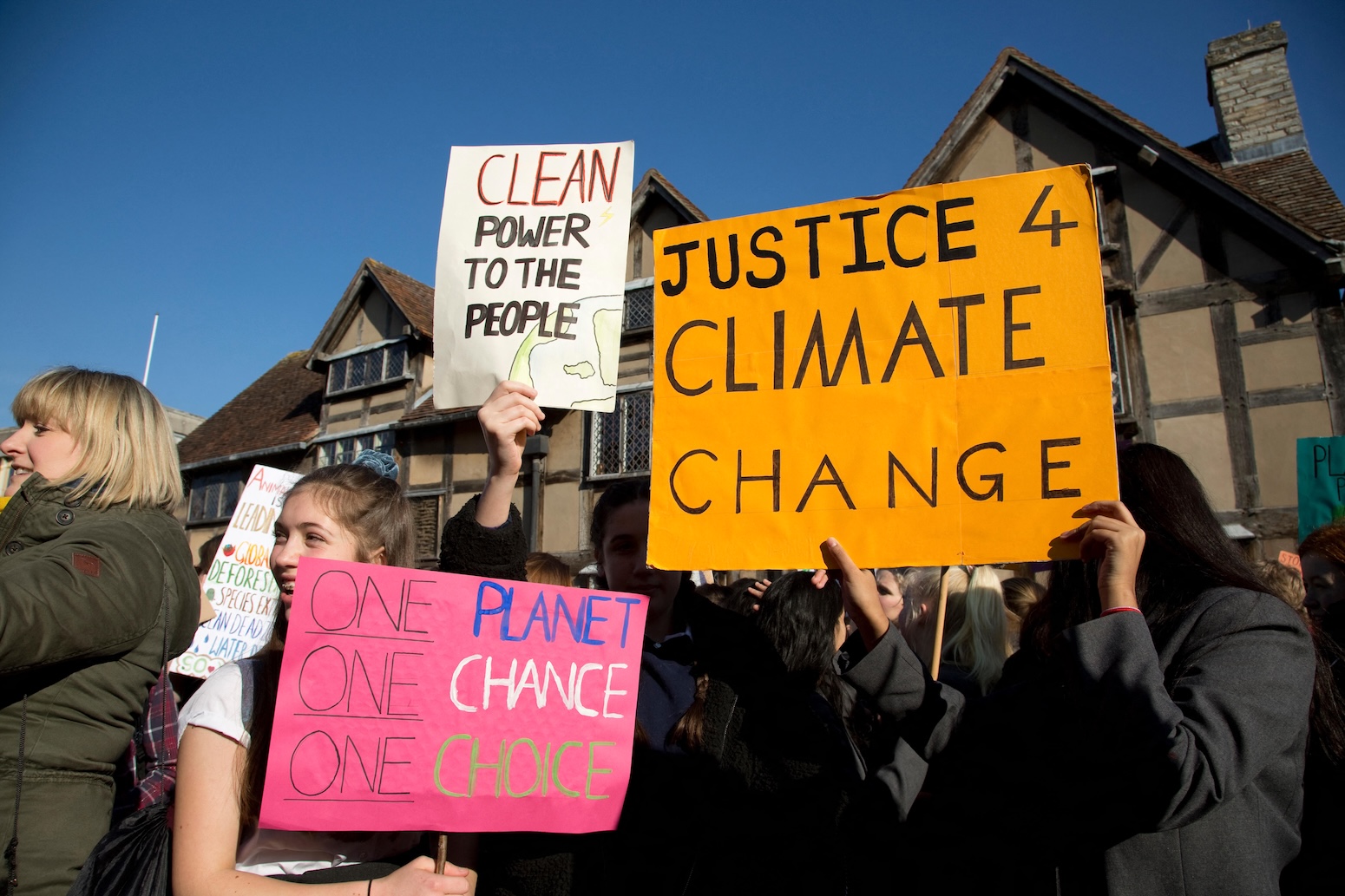
A study published in Nature Climate Change examines the gap between public support for climate action and actual behavior, based on surveys of more than 5,000 participants across Germany and the US conducted during 2024-25. The research reveals that while most respondents expressed willingness to support climate initiatives, far fewer engaged in verifiable actions such as financial donations or attending protests. For example, 37% of survey participants said they would donate to environmental organizations, yet only 4% actually did when given the opportunity.
The researchers attribute the perception gap—the difference between actual and perceived support for climate action—not to ignorance or bias, but to fundamental cognitive limitations in how humans estimate behaviors within large groups. The study identifies a pattern known as “regression to the mean,” where people tend to estimate high support as lower than it actually is and low support as higher. This phenomenon appears to be a general cognitive process rather than a specific misunderstanding about climate issues.
One key finding challenges the assumption that correcting misperceptions drives behavioral change. When participants were informed that 68% of people were willing to donate to environmental causes, they reported increased willingness to donate themselves. However, when told that only 4% actually donated, participants showed no increased willingness to take action. Importantly, actual donation behavior did not increase across any of the groups tested, suggesting that informing people about support levels may not translate into concrete climate action.
The study also identifies a phenomenon called “pluralistic ignorance” in the climate domain, where people underestimate widespread support for climate action despite the vast majority actually supporting it. The researchers note that this pattern is more nuanced than previously understood. They emphasize that Germany and the US, while major CO2 emitters, may not represent diverse global contexts, and further research across different regions is needed.
Expert commentary suggests that encouraging climate action requires multiple approaches beyond simply providing information about public support. Observable behaviors and identity signaling—such as public participation in environmental initiatives—may prove more effective at influencing peer behavior than private actions or awareness campaigns alone.
Article Attribution | Read More at Article Source
Article summary produced by Claude AI