

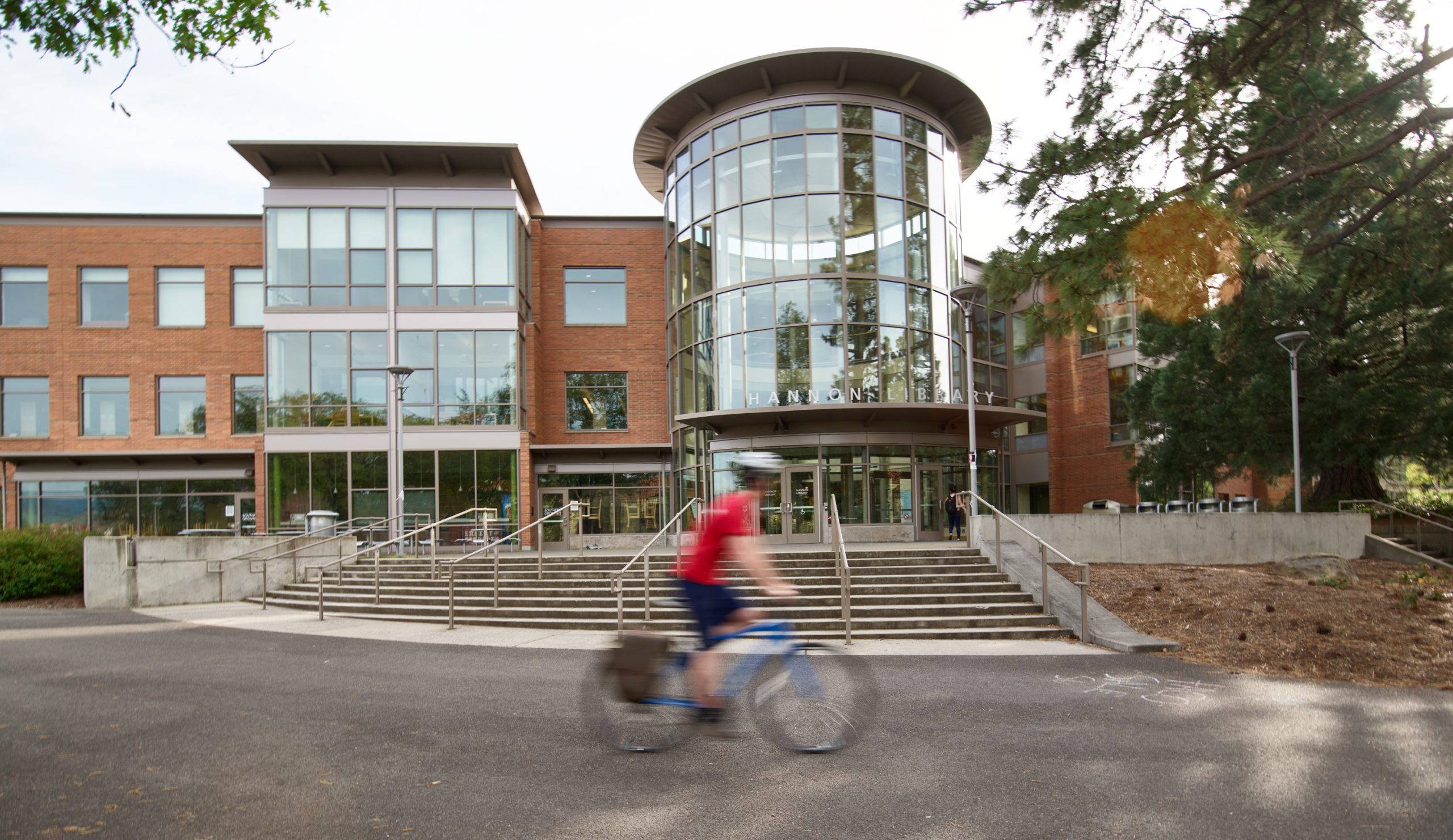
Southern Oregon University in Ashland is navigating a severe financial crisis that threatens its continued operation. University officials announced that without state intervention, the institution would be unable to meet basic obligations such as payroll and utilities by February 2027. The state provided $15 million in emergency funding contingent on the university achieving a balanced budget through substantial reductions.
The university’s financial deterioration stems from several factors, including declining enrollment and inadequate state support for public higher education. Between 2019 and 2024, SOU’s revenue decreased 9 percent after adjusting for inflation, while enrollment fell 11 percent. The university received a significant setback when administrators discovered a $15 million budget gap resulting from ineffective budgeting practices and technical issues during a software system transition. The problem went undetected until late January of this year.
University President Richard Bailey has implemented multiple rounds of cost-cutting measures since taking office in 2022. On July 21, he announced the final phase of reductions, which includes eliminating one major program, cutting more than 60 faculty and staff positions, increasing class sizes, and reducing athletic department funding by over $1.45 million. Combined with earlier cuts, the university will have eliminated nine academic majors and nearly 212 positions over four years. The severity of the cuts has prompted concerns about the sustainability of the institution’s core functions.
The crisis has significantly affected students and the broader community. SOU serves a region spanning parts of Oregon and Northern California and represents the nearest affordable four-year university option for many students. Multiple students indicated they considered transferring to other institutions due to the uncertainty and repeated program eliminations. However, some students organized advocacy efforts, forming coalitions and traveling to the state capitol to support emergency funding requests. State officials acknowledged that closure remains a possibility without successful implementation of the university’s transformation plan, though such an outcome would be unprecedented for a public regional university.
Article Attribution | Read More at Article Source
Article summary produced by Claude AI