

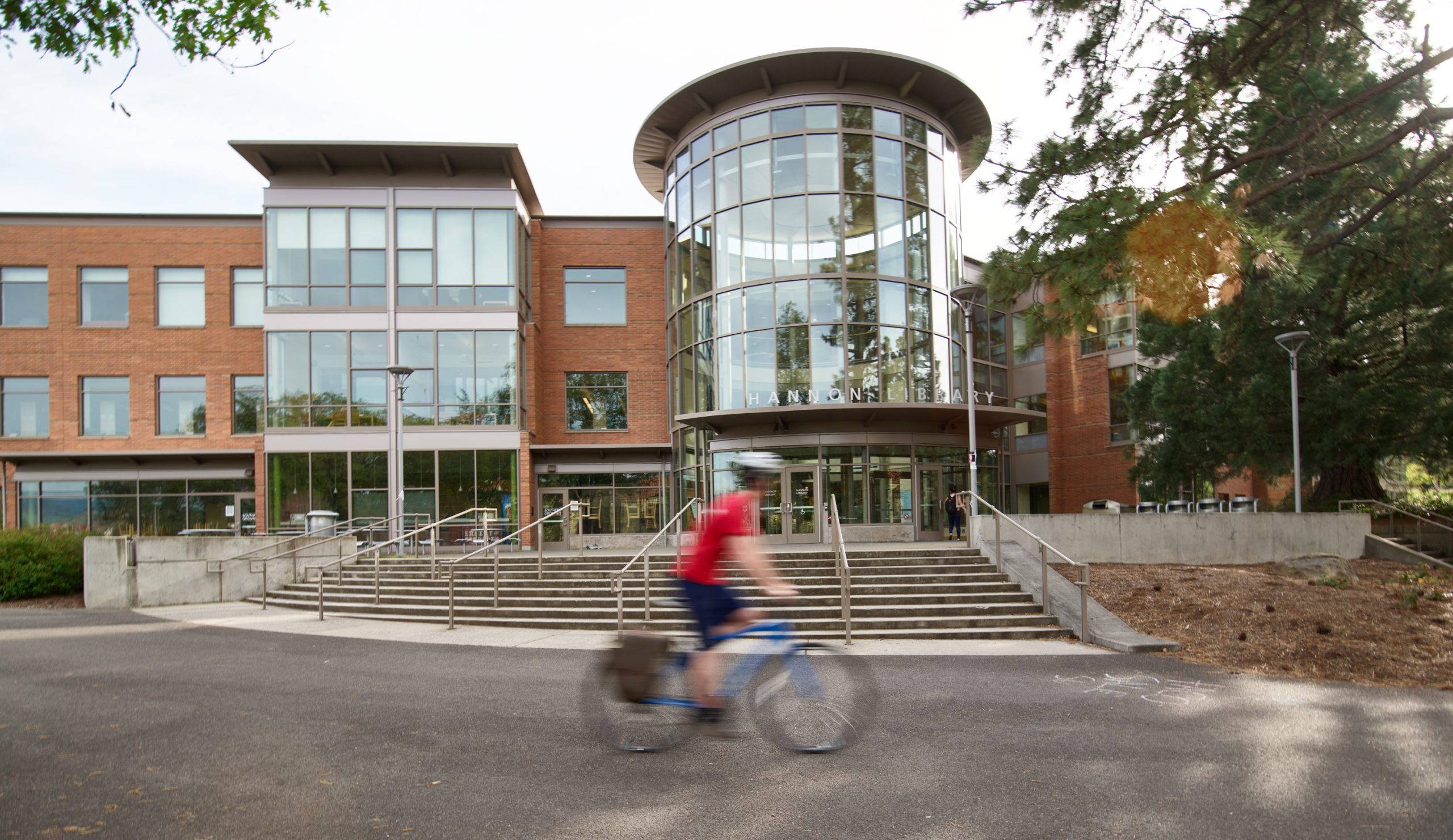
Southern Oregon University in Ashland is confronting an unprecedented financial crisis that threatens its continued operation as a public institution. The university discovered a $15 million budget gap in February, attributed to ineffective budgeting practices and problems during a software system transition that obscured the full scope of financial challenges. Without intervention, the school would have been unable to meet payroll or utility expenses by February 2027.
To address the crisis, the Oregon legislature provided emergency funding on the condition that university leaders balance the budget through significant reductions. In July, administrators announced a comprehensive restructuring plan eliminating one major program, cutting 61 additional positions, and reducing athletic spending by more than $1.45 million. Combined with earlier rounds of cuts, the institution will have eliminated nine majors including chemistry and Spanish, shut down its undergraduate honors college, and reduced staffing by 212 positions over four years.
The financial deterioration reflects broader trends affecting the university. Between 2019 and 2024, Southern Oregon’s revenue declined 9 percent while enrollment fell 11 percent, significantly exceeding national averages. State funding per student in Oregon ranks below the national average, placing additional strain on the institution. President Richard Bailey, who assumed leadership in 2022, initiated multiple cost-reduction initiatives but did not fully grasp the severity of the financial situation until recently.
Students, faculty and community members have expressed deep concern about the university’s viability. Some students have considered transferring, while others formed advocacy groups to lobby for additional state support. Faculty members questioned leadership’s financial oversight and expressed doubt about the long-term sustainability of a strategy relying primarily on budget cuts. The university serves as a major employer in the rural region and provides access to affordable higher education for students across a multi-state area.
State officials have indicated that closure, while unthinkable, remains a possibility absent successful institutional transformation. The university’s ability to recover depends on accurate enrollment projections, successful implementation of restructuring plans, and potential policy changes at the state level regarding higher education funding.
Article Attribution | Read More at Article Source
Article summary produced by Claude AI