

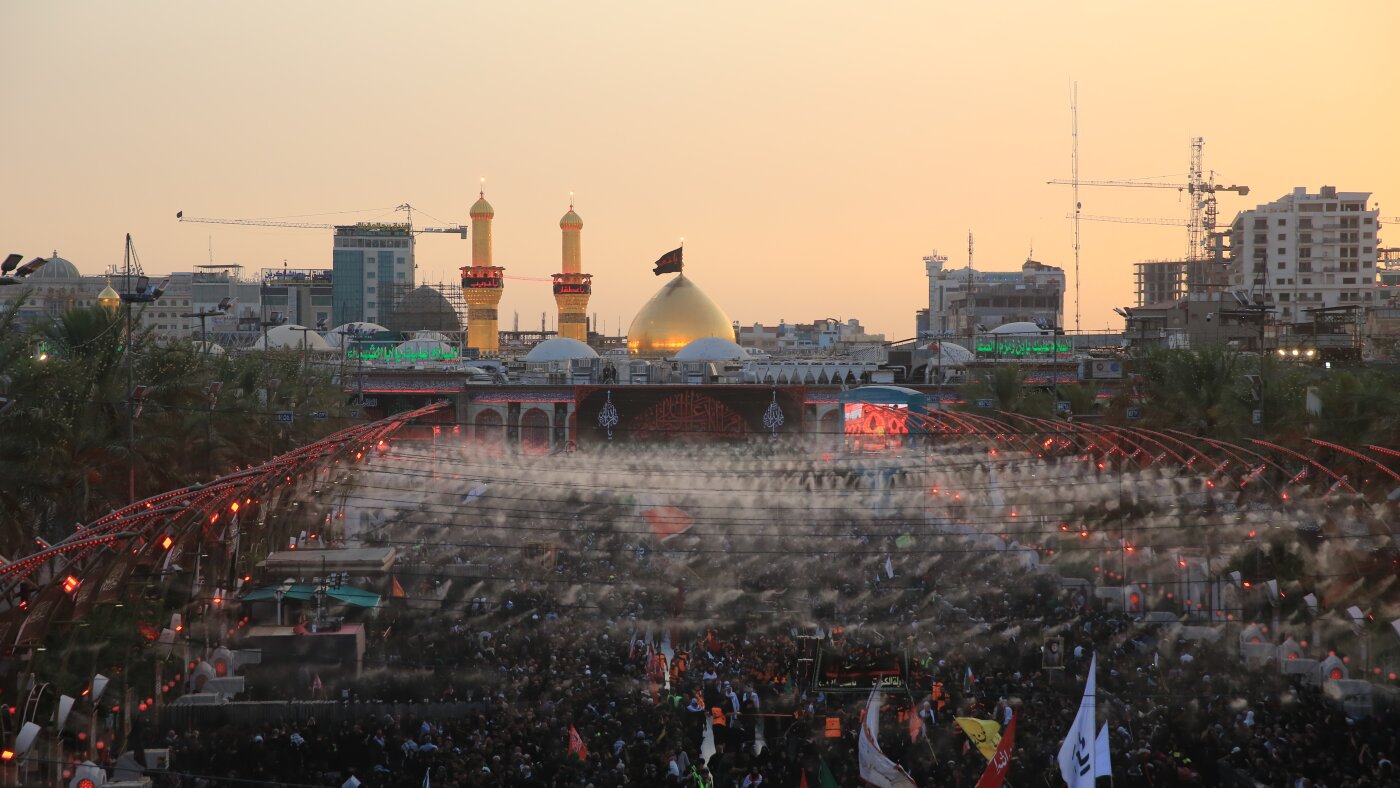
The Iraqi city of Karbala hosted approximately 20 million pilgrims during the Arbaeen commemoration, a major Shia religious observance marking the historical killing of Imam Hussein roughly 1,400 years ago. Iran reported that more than three million of its citizens participated in the ceremonies, which represent one of the largest annual religious gatherings globally. The pilgrimage draws participants from across the Shia Muslim world, which numbers around 200 million adherents globally, with Iran constituting the most populous predominantly Shia nation.
Many attendees drew connections between the historical narrative of Imam Hussein’s death and contemporary geopolitical events, particularly recent military developments in the region. Several pilgrims interviewed referenced the killing of Iran’s supreme leader Ayatollah Ali Khamenei and his family, as well as previous airstrikes targeting Iranian locations and military figures. Some participants characterized ongoing regional conflicts as attacks against Shia Islam more broadly, while others expressed views that the United States and its allies harbor destructive intentions toward the region. A notable development occurred when Khamenei’s body was brought to the holy cities of Karbala and Najaf before burial, drawing additional pilgrims motivated by this circumstance.
The commemoration continued despite challenging conditions, with temperatures exceeding 120 degrees Fahrenheit in the region. Pilgrims undertook journeys on foot spanning hundreds of miles, supported by hospitality infrastructure including free meals and shelter along established pilgrimage routes. Medical personnel treated cases of heat-related illness as crowds gathered at the Imam Hussein Shrine, where elaborate decorative elements including mirrored tiles and crystal chandeliers adorned the interior spaces. Traditional mourning rituals and processions incorporated religious imagery and symbols connected to the historical battle and contemporary figures.
The event demonstrated Shia religious observance traditions and community solidarity while also reflecting broader political perspectives among participants. Interviews revealed that some attendees viewed the gathering as a display of Shia strength and civilization-building, while economic hardship from regional conflicts remained a secondary consideration for supporters of what they characterized as a resistance movement. The pilgrimage site management implemented crowd control measures to facilitate the movement of millions of visitors through the shrine complex during the commemoration period.
Article Attribution | Read More at Article Source
Article summary produced by Claude AI