

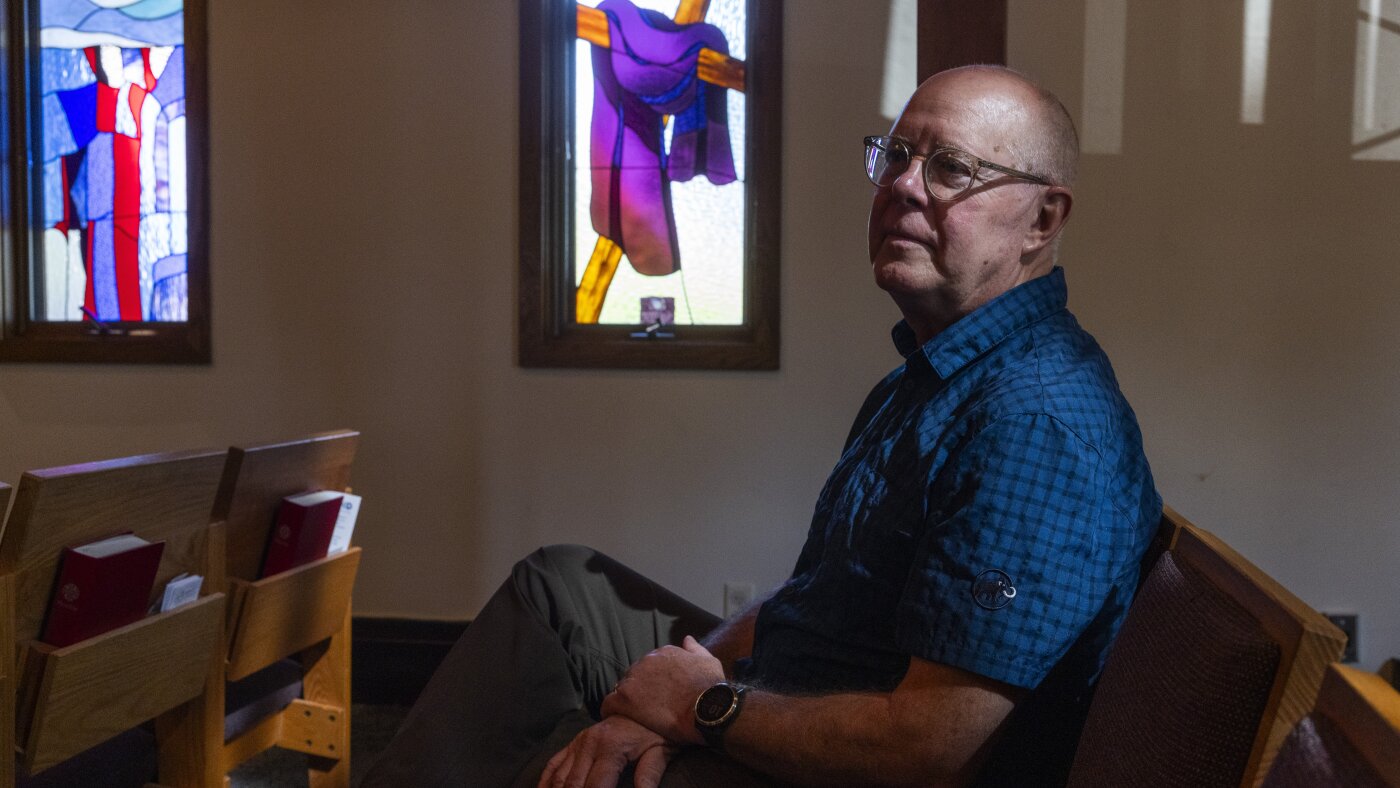
Court documents filed in a federal conspiracy case have revealed extensive surveillance conducted by the Department of Homeland Security during an immigration enforcement surge in Minnesota last winter. An undercover DHS agent attended a meeting of immigration enforcement protesters at Prince of Peace Lutheran Church in Roseville in February, recording license plates and compiling detailed dossiers on attendees that included names, addresses, and family and employment information.
The scope of the surveillance extended far beyond this single location. Federal agents secretly recorded meetings held at multiple churches, libraries, restaurants, and schools throughout the Twin Cities area over several months. They also infiltrated private group communications, sought financial records from national labor unions, and gathered information on community members who had not been charged with any crimes. In one instance, an undercover agent wearing a wire attended a self-defense class at University Baptist Church in Minneapolis in May. At another gathering at a public library, a federal operative allegedly suggested to attendees that he could construct items for more aggressive protest activities.
Civil liberties advocates have raised concerns about the breadth and depth of the operation. Rachel Levinson-Waldman, director of the Liberty and National Security Program at the Brennan Center for Justice, characterized the surveillance as far-reaching and noted it prompted comparisons to COINTELPRO, the FBI’s controversial domestic counterintelligence program that operated from the 1950s through the early 1970s and targeted organizations deemed subversive.
The government has defended its actions in court filings, stating it did not target the thousands of peaceful protesters but rather focused on individuals ultimately charged in the conspiracy case. Prosecutors argue those individuals were planning activities not protected by the First Amendment, such as blockades at federal buildings. However, experts in First Amendment and national security law have raised questions about whether the surveillance techniques comport with established guidelines and ethical standards, noting that legal authority does not necessarily align with public expectations regarding government conduct.
Article Attribution | Read More at Article Source
Article summary produced by Claude AI