

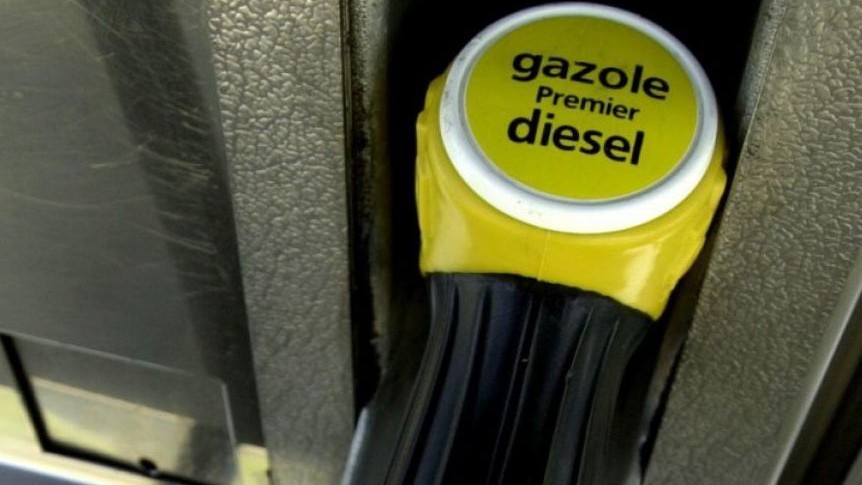
The world faces an escalating diesel crisis that analysts warn may persist for months despite relatively stable crude oil prices below $100 per barrel. While Brent crude and West Texas Intermediate have risen roughly $20 per barrel since pre-war levels, refined fuel prices have increased far more dramatically, with European diesel costs climbing 70% from their pre-conflict baseline. This disproportionate increase reflects supply constraints rather than crude availability alone.
Refinery operations have become a critical bottleneck in the global fuel supply chain. The International Energy Agency reports that approximately 9.6 million barrels of daily refining capacity—roughly one-fifth of Middle Eastern output—has been disabled by regional hostilities. Compounding this shortage, Ukrainian drone strikes targeting Russian oil refineries have prompted Moscow to ban fuel exports to prioritize domestic supply, removing the world’s second-largest diesel exporter from international markets. The combination leaves insufficient refining infrastructure outside the Middle East and Russia to meet global demand.
Diesel prices have reached unprecedented levels relative to crude, with the crack spread in the United States hitting triple digits earlier in the week for the first time on record, reaching $102 per barrel. In Europe, diesel now costs more than jet fuel—a reversal unseen in over a year. The United States, less directly affected by the regional conflicts, has responded by increasing fuel exports to an all-time weekly average of 1.9 million barrels daily, yet this comes at the cost of depleting domestic fuel inventories that were already tight.
Analysts express concern that the current situation represents only the beginning of a deeper energy crunch. Global refinery operations in the second quarter ran 5.1 million barrels daily below the previous year’s levels, while demand fell approximately 4 million barrels daily—a gap driven by demand destruction forced by elevated prices rather than voluntary conservation. As colder weather approaches in the Northern Hemisphere, heating demand for diesel will increase alongside transportation needs, potentially exacerbating supply pressures. Inflation indicators already show the impact, with U.S. consumer prices up 3.4% and eurozone prices rising 2.9%, both substantially influenced by energy costs.
Article Attribution | Read More at Article Source
Article summary produced by Claude AI