

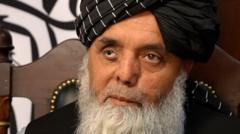
The BBC obtained unusual access to influential figures within Afghanistan’s Taliban administration over a two-year period, providing insight into the group’s governance five years after retaking power in 2021. Journalists spent time with senior officials, including a provincial governor and former military commanders who now hold administrative positions, many of whom previously engaged in militant activities or spent years in underground operations.
In one documented encounter, a governor met with an 18-year-old woman seeking divorce from her abusive husband. The woman presented her case calmly despite being banned from secondary education under Taliban rule. The governor initially discouraged the divorce, suggesting she would face social difficulties afterward, but the woman maintained her resolve, stating her dignity had already been compromised. Her husband demanded a financial settlement four times what her family was willing to pay. The governor proposed alternative measures, including giving the woman her own room and warning the husband against further violence under threat of imprisonment. The woman’s family indicated they would pursue the matter through the court system, though obtaining divorce without spousal consent remains extremely difficult under Taliban judicial procedures.
One governor, Abdullah Sarhadi, previously served as a military commander during the Taliban’s 1990s rule and later spent years in US detention at Guantanamo Bay. He acknowledged personally destroying ancient Buddha statues in Bamiyan, stating the actions aligned with religious law. Sarhadi also commented that a recent smartphone ban for officials had impeded communication efficiency. Another senior official, Habibullah Badr, previously coordinated suicide attack operations in Kabul and now holds various administrative roles. Badr was cautious discussing his violent past, expressing concern that such discussions could upset people or reopen wounds.
While Taliban leadership has stated the group has changed since its previous time in power, many current policies reflect the strict Islamic law interpretations implemented in the 1990s. Women have been excluded from most employment, banned from universities, and restricted from traveling alone or accessing public spaces. At a tribal gathering honoring Badr, an awkward moment occurred when a charitable foundation leader publicly expressed hope that education would be opened to all citizens, after which his microphone was removed.
Article Attribution | Read More at Article Source
Article summary produced by Claude AI