

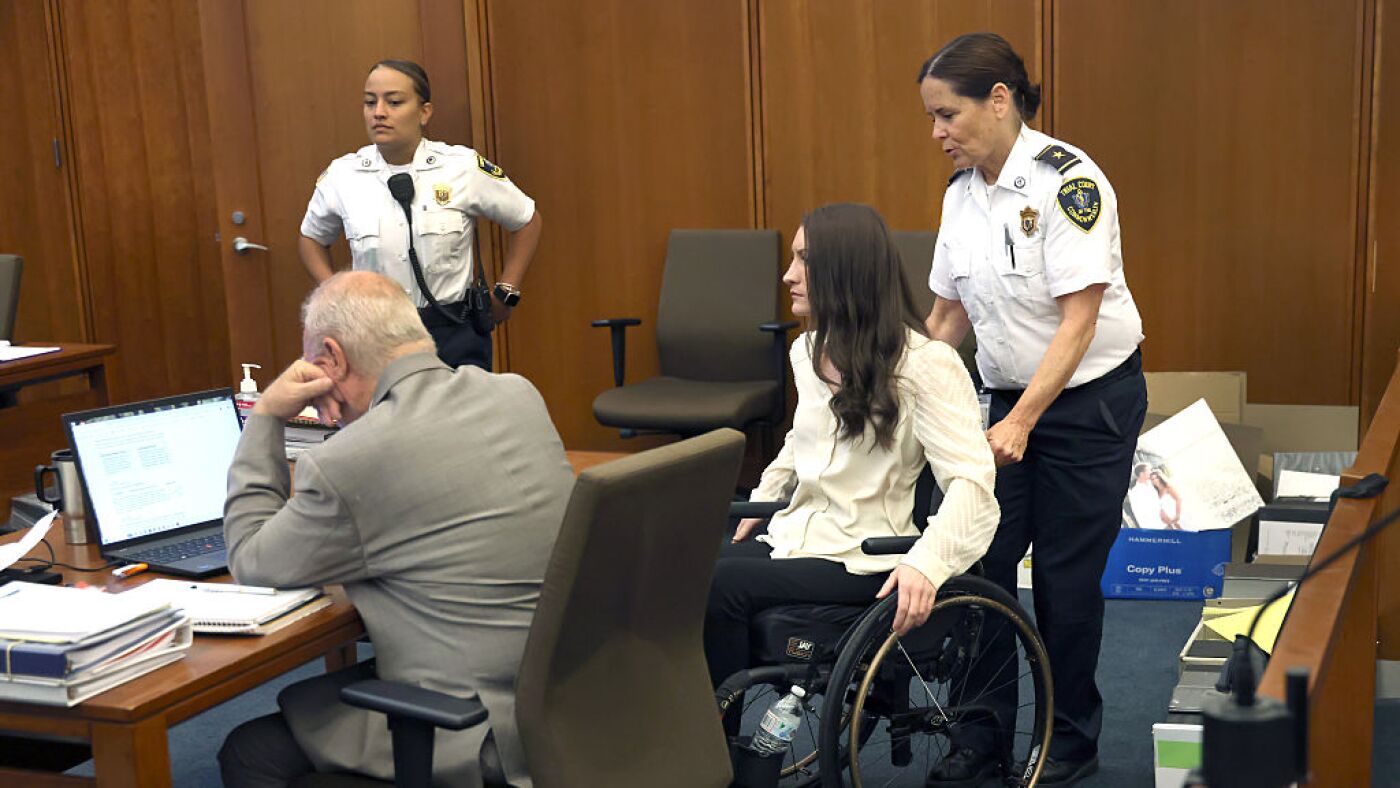
The trial of a Boston-area mother charged with killing her three young children in 2023 has sparked renewed focus on postpartum mental health services and the recognition of postpartum psychosis as a distinct medical condition. The defendant’s legal team contends that severe postpartum psychosis, rather than intentional criminal conduct, was responsible for her actions, and that she did not receive adequate medical intervention. The case has drawn significant public attention and raised concerns among mental health professionals and advocates about systemic gaps in maternal mental health care.
Postpartum psychosis, while uncommon, affects an estimated 1 to 2 out of every 1,000 births, according to available research. Despite this prevalence being higher than certain other maternal health conditions that receive greater public attention, the disorder remains poorly understood and frequently undiagnosed. Mental health professionals note that many physicians receive insufficient training in recognizing and treating the condition, resulting in delayed diagnoses and inadequate treatment. Meghan Cliffel, who experienced postpartum psychosis following the birth of her daughters, described the sudden onset of paranoid delusions and the frightening nature of the episode, emphasizing that she considers herself fortunate to have avoided tragedy.
A significant barrier to proper diagnosis and treatment is that postpartum psychosis is not recognized as a distinct diagnosis in the Diagnostic and Statistical Manual of Mental Disorders, the primary reference tool used by mental health professionals. Currently, the condition is classified only as a subset of other psychiatric disorders that emerge in the postpartum period. Advocates, including Postpartum Support International and researchers, have called for postpartum psychosis to be designated as a separate diagnostic category in updated editions of the manual. Medical experts believe the condition is triggered by hormonal changes, sleep deprivation, and genetic predisposition to mental illness, and note that when properly diagnosed and treated with medication, patients can recover fully and lead normal lives.
Article Attribution | Read More at Article Source
Article summary produced by Claude AI