

South Korea is confronting extreme heat conditions described as a national disaster, with the country implementing emergency measures across multiple sectors. President Lee Jae Myung has directed public agencies to mobilize resources to address the crisis. Earlier this week, temperatures in the southern region reached 42.5 degrees Celsius, marking a record high for the nation.
The health impact has been significant, with at least 23 deaths attributed to heat-related illnesses recorded so far this year. Since mid-May, nearly 2,500 people have sought emergency medical care for heat-related conditions. In response, local governments have launched distribution efforts, including free bottled water at public gathering spots and sprinkler trucks operating in urban areas to cool roadways and streets.
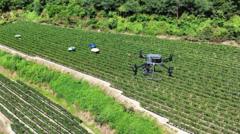
Rural agricultural communities face particular challenges, leading authorities in areas such as North Gyeongsang province to deploy drones equipped with loudspeakers and thermal imaging to monitor farmers and broadcast safety reminders. Large-scale public events have been suspended following official recommendations from the national weather agency, including the daily ceremony at Gyeongbokgung Palace and all scheduled baseball games for the week. The cancellations followed a spectator’s collapse at a sporting event attributed to heat-related dehydration.
In urban centers, air-conditioned airports have become informal cooling centers for vulnerable populations, including homeless individuals and elderly residents. A mobile navigation application designed to identify the shadiest pedestrian routes has gained popularity among students and commuters. Climate forecasters indicate potential relief this weekend with temperatures expected to decline to approximately 36 degrees Celsius, though meteorological data suggests temperatures in September and October may remain above historical averages for those months.
Article Attribution | Read More at Article Source
Article summary produced by Claude AI