

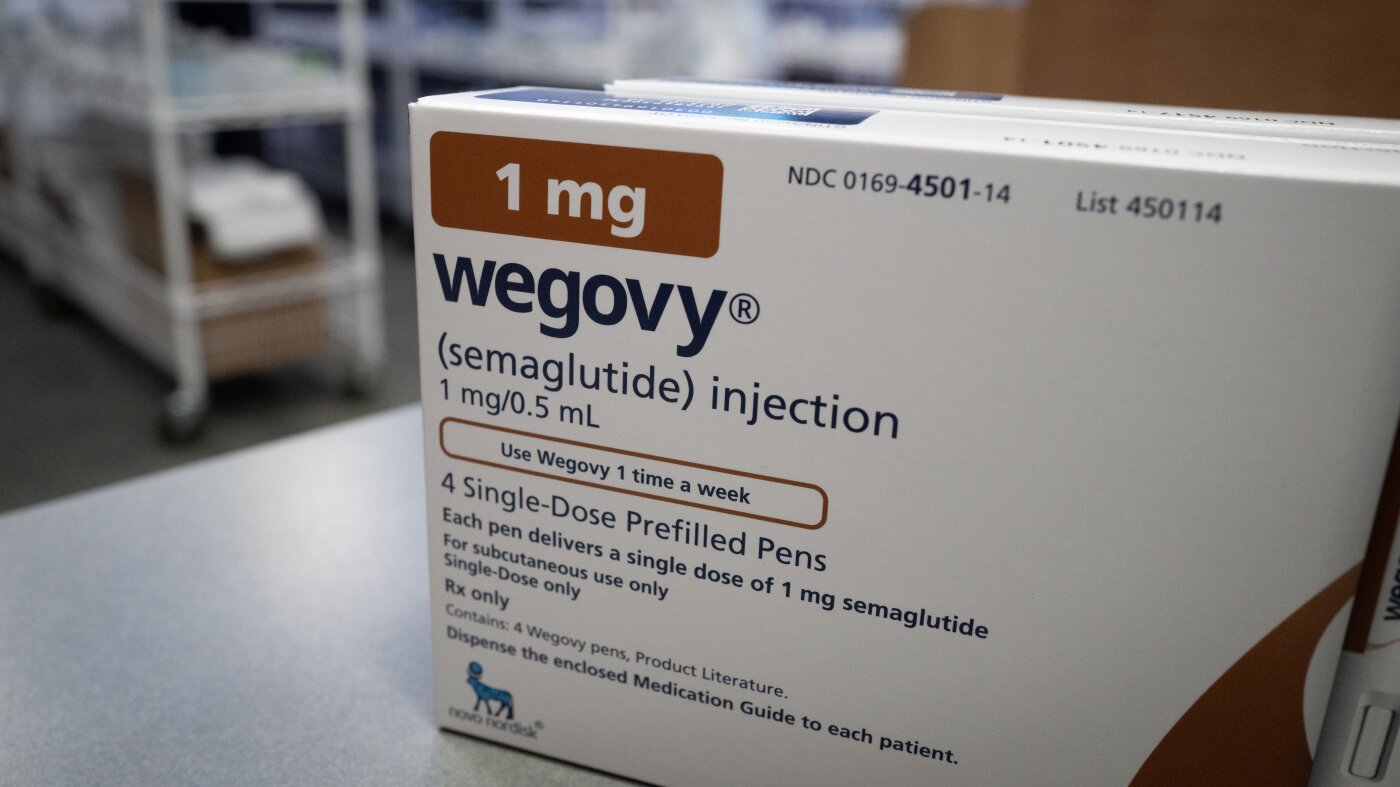
Medicare initiated a temporary pilot program called Bridge in July that allows eligible beneficiaries to obtain obesity medications such as Wegovy, Zepbound, and Foundayo for $50 monthly. The program represents an administrative workaround to federal restrictions on Medicare coverage of weight loss drugs, enabling access for individuals meeting specific criteria including obesity combined with difficult-to-control high blood pressure.
Major pharmacy chains reported significant uptake following the program’s launch. CVS filled more than 100,000 prescriptions by mid-August, while Walgreens indicated similar numbers. Walmart reported that Bridge prescriptions have been processed at more than 5,000 of its locations nationwide and are growing weekly. Walgreens noted that approximately half of patients served through the program had not previously used GLP-1 medications. Pharmacy leadership emphasized the role of pharmacists in helping patients manage initial side effects such as nausea and diarrhea to prevent therapy discontinuation.
Eligibility restrictions apply to the Bridge program, which runs through the end of 2027. Beneficiaries with sleep apnea or Type 2 diabetes are ineligible, as Medicare Part D should already cover GLP-1 drugs for those conditions. Medicare had estimated approximately 4 million beneficiaries might qualify for the program overall. A scholar at USC noted that current prescription volumes represent between 5% and 10% of the eligible population in a short timeframe. The Centers for Medicare and Medicaid Services reported that 250,000 beneficiaries had signed up as of late July, though approval status for prior authorizations remained unclear.
Financial projections for the 18-month program vary substantially. The nonpartisan health research group KFF estimated potential costs ranging from $1.3 billion to $10 billion depending on participation rates. Experts highlighted that examining the value of these medications over time—including potential reductions in healthcare spending from prevented complications—may provide important context for program assessment.
Article Attribution | Read More at Article Source
Article summary produced by Claude AI