

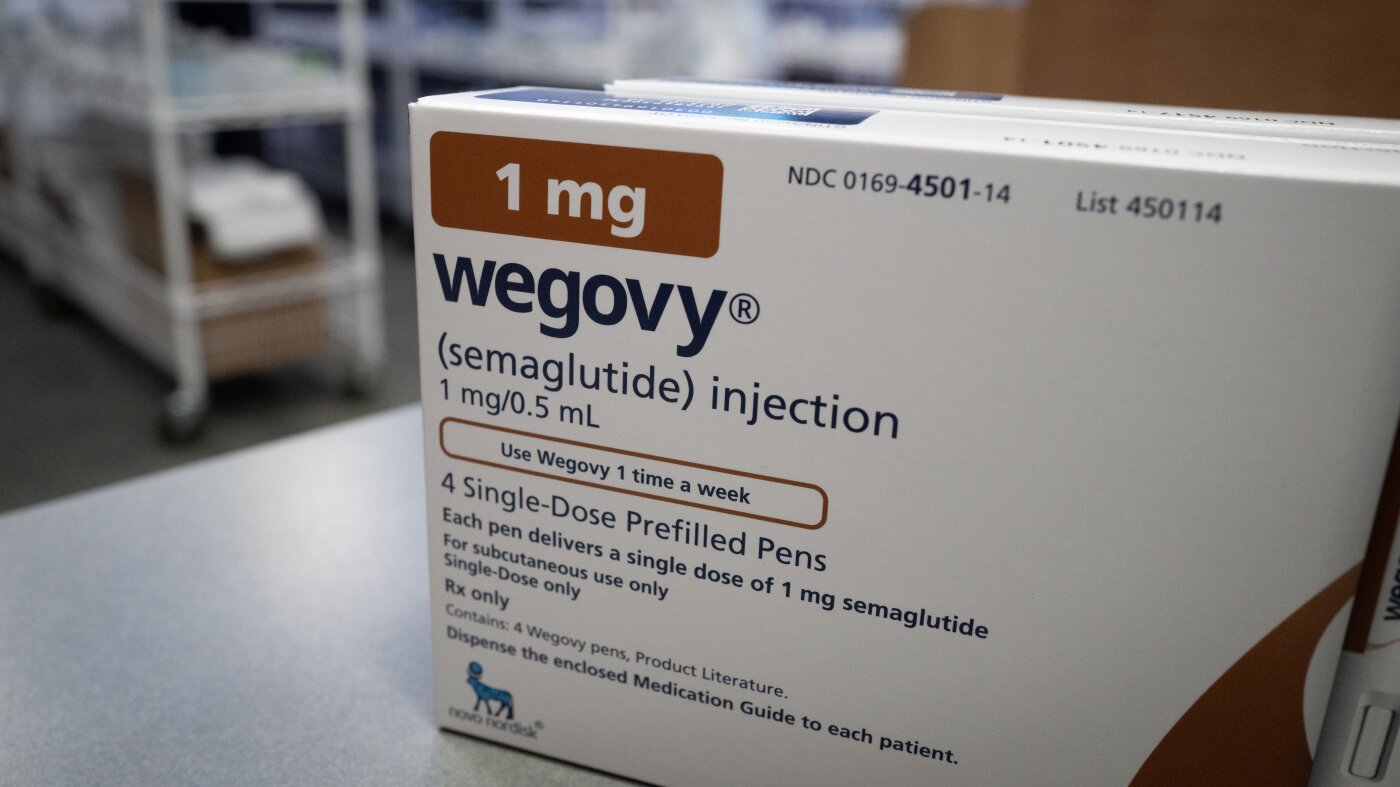
Starting in July, Medicare initiated a temporary coverage program enabling eligible beneficiaries to obtain obesity medications at a $50 monthly cost. Major retail pharmacy chains reported significant early uptake, with both CVS and Walgreens each indicating they had filled around 100,000 prescriptions under the Bridge program as of mid-August. Walmart stated that Bridge prescriptions have been processed at more than 5,000 of its pharmacies nationwide and are growing week over week.
The Bridge program represents a policy workaround to address a statutory prohibition preventing Medicare from directly covering weight loss drugs. To qualify, beneficiaries must have obesity combined with difficult-to-control high blood pressure. However, those with sleep apnea or Type 2 diabetes are ineligible, as Medicare Part D already covers GLP-1 medications for those conditions. The program is scheduled to continue through the end of 2027.
Pharmacy officials noted that preparation for the program’s launch included stocking additional supplies of medications such as Wegovy, Zepbound, and Foundayo. Approximately half of the patients served through the program had not previously used GLP-1 medications. Pharmacists have focused on supporting patients through initial side effects, including nausea and diarrhea, to prevent treatment discontinuation.
Health policy analysts have characterized the early enrollment figures as substantial, representing a significant portion of the estimated 4 million eligible Medicare beneficiaries. The Centers for Medicare and Medicaid Services reported that 250,000 beneficiaries had signed up as of late July, though it remains unclear how many completed required prior authorization processes. Nonpartisan research organizations estimate the 18-month program could cost between $1.3 billion and $10 billion depending on participation rates, relative to $181 billion in Medicare Part D spending on prescription drugs in 2025.
Experts have suggested the program offers opportunities to examine medication value beyond immediate costs, noting that broader health improvements from GLP-1 therapy could reduce spending on complications such as dialysis and hospitalizations over time.
Article Attribution | Read More at Article Source
Article summary produced by Claude AI