

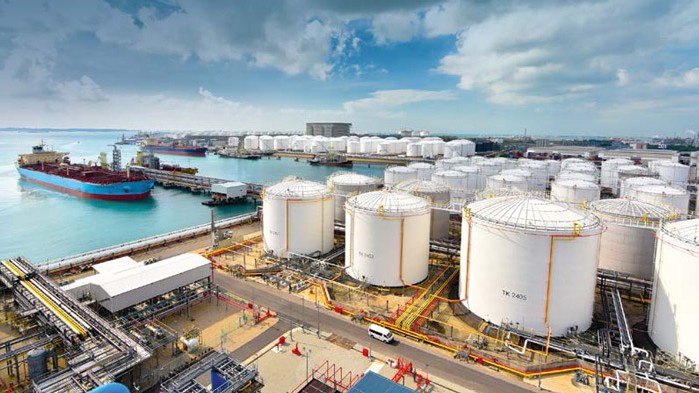
Regional competition for energy infrastructure dominance is accelerating across East Africa, with multiple major projects announced by Kenya, Tanzania, and Uganda in recent months. Nigerian billionaire Aliko Dangote has committed to developing a $17 billion refinery with a capacity of 700,000 barrels per day on Kenya’s Lamu Island, which would process crude for Kenya and neighboring countries including Uganda, Rwanda, Burundi, South Sudan, and the Democratic Republic of Congo. The facility would rank as Africa’s second-largest refinery and substantially exceed East Africa’s current refined fuel demand of approximately 450,000 barrels per day.
The selection of Lamu as the refinery location followed considerable diplomatic tensions among the three countries. The project was initially proposed to be located in Tanzania’s coastal city of Tanga, but Tanzania’s President Samia Suluhu Hassan publicly objected after learning of the announcement without prior consultation. Following Dangote’s decision to select Lamu, Kenya’s government moved quickly to secure the project by pledging seed capital of approximately 21.5 billion Kenyan shillings and inviting neighboring countries to take equity stakes.
In response to Kenya’s success with the Dangote refinery, Tanzania and Uganda announced a competing initiative: a $20 billion regional energy hub in Tanga developed in partnership with global energy trader Vitol Bahrain. This project will leverage the nearly completed East African Crude Oil Pipeline and provide petroleum storage and blending capabilities. The arrangement offers landlocked nations an alternative supply corridor that reduces dependence on Kenya’s Port of Mombasa and the proposed Lamu refinery. Uganda is simultaneously pursuing its own domestic refinery development in Hoima with UAE backing, representing a $4 billion investment targeting 60,000 barrels per day capacity by 2030.
The proliferation of parallel energy projects reflects broader regional tensions over trade routes and infrastructure development. Kenya and Tanzania are competing for Uganda’s trade traffic through competing railway corridors and port facilities. Uganda historically routed most trade through Kenya’s Port of Mombasa but has recently signed cross-border agreements with Tanzania to divert traffic to Dar es Salaam. Kenya is accelerating completion of its Standard Gauge Railway extension to Malaba on the Ugandan border, targeting completion by 2027 to maintain its regional connectivity advantage. These competing initiatives raise questions about the viability of regional integration efforts under the East African Community framework.
Article Attribution | Read More at Article Source
Article summary produced by Claude AI