

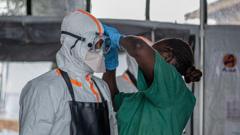
The Democratic Republic of Congo is facing a significant Ebola crisis that authorities have struggled to contain, according to warnings from the World Health Organization. The outbreak, caused by the Bundibugyo species of Ebola, officially began on 15 May, but evidence indicates the virus started circulating at least three months earlier. This delayed recognition has complicated response efforts, with more than 1,900 deaths recorded since the official declaration, establishing this as the second-largest Ebola outbreak on record.
The initial spread went undetected for months because infected individuals were misdiagnosed with malaria or typhoid, allowing transmission to continue unabated. The eastern region of the Democratic Republic of Congo, where the outbreak is concentrated, has been particularly challenging to manage due to ongoing insecurity that hampers disease control activities. Health workers have been able to reach only approximately 30 percent of cases, leaving the majority of patients to die in their homes without treatment or isolation.
Additional complications have emerged from cultural practices and community distrust. Traditional burial customs involve direct contact with deceased bodies, creating transmission risks, while suspicion of health authorities in some communities has discouraged people from seeking care or reporting cases. The outbreak is further complicated by the absence of approved vaccines or recognized therapeutic drugs specifically for the Bundibugyo variant, limiting treatment options compared to responses to other Ebola strains.
Despite these challenges, authorities have established several dedicated treatment centers throughout the eastern provinces. These facilities have improved diagnostic speeds and treatment access in recent weeks. Current figures show 4,294 confirmed cases with 1,960 deaths, though transmission rates remain elevated. The situation contrasts sharply with the largest recorded Ebola outbreak, which occurred in West Africa between 2014 and 2016 and resulted in 11,325 deaths.
Article Attribution | Read More at Article Source
Article summary produced by Claude AI