

Egypt’s natural gas sector faces mounting challenges as domestic production continues to fall while consumption accelerates. Output declined 7% in the second quarter of 2026 compared to the prior year, reaching 109.3 million cubic meters per day, a trend that began after peaking in 2021. The decline has been particularly acute in offshore Mediterranean fields, while onshore Western Desert production has been insufficient to reverse the overall downward trajectory. Domestic consumption, meanwhile, reached 190 million cubic meters per day in June, with power generation alone consuming 113 million cubic meters daily. This creates a shortfall exceeding 75 million cubic meters per day before accounting for pipeline and LNG imports.
Egypt has responded by developing its import infrastructure, beginning LNG imports in mid-2024 through floating storage and regasification units (FSRUs). Four such units initially provided approximately 20.2 million tonnes of annual regasification capacity, though this was reduced to 16.9 million tonnes when one U.S.-owned facility was struck by a drone on July 29. Cyprus, meanwhile, has made six significant offshore gas discoveries but lacks the infrastructure to export gas independently. The island nation has no operating LNG export facilities and would require substantial capital investment to develop them domestically.
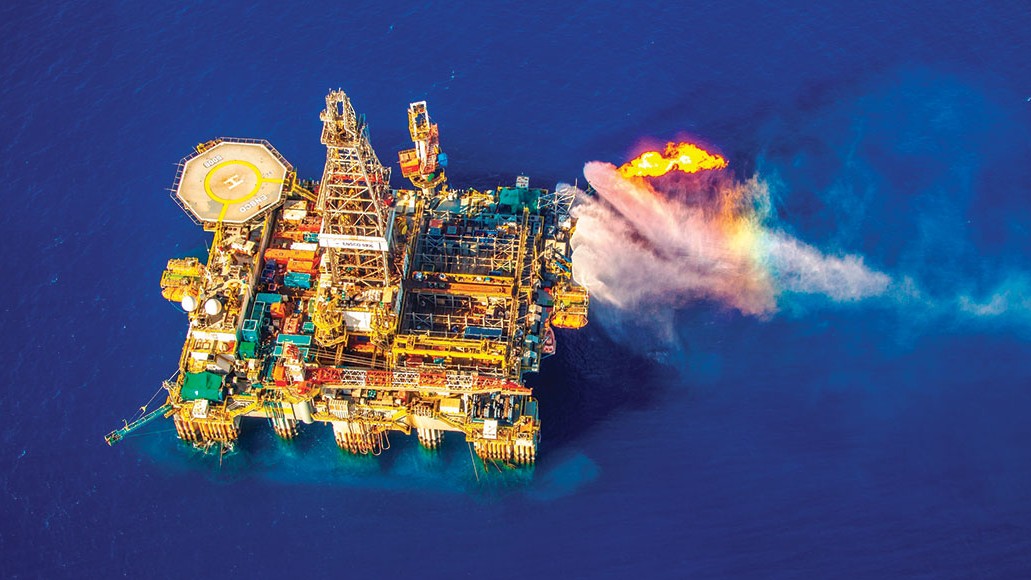
The Cronos project, sanctioned by Eni and TotalEnergies on July 28, offers a solution for both nations. The development targets first gas in 2028 and is expected to produce up to 14.2 million cubic meters daily from four subsea wells. Gas will be transported via pipeline to Egypt, processed through existing Zohr facilities, and liquefied at the Damietta plant for export, primarily to Europe. Cyprus benefits from reduced capital expenditure and execution risk, while Egypt gains feedstock, infrastructure revenue and restored throughput at key facilities. The arrangement also provides potential infrastructure for additional Cypriot discoveries including Calypso and Zeus.
The corridor faces multiple constraints. Technical risks include potential reservoir management challenges similar to those experienced at Zohr, which peaked in 2021 before production declined. Reliance on Egyptian infrastructure also exposes Cypriot output to Egyptian outages and capacity limitations. Cyprus’s incomplete Vasilikos LNG terminal, beset by procurement fraud investigations and cost overruns, demonstrates the country’s infrastructure delivery challenges. Geopolitically, Turkey disputes parts of Cyprus’s maritime jurisdiction and has previously prevented exploration vessels from operating in disputed areas, posing potential obstacles to project development and expansion.
Article Attribution | Read More at Article Source
Article summary produced by Claude AI