

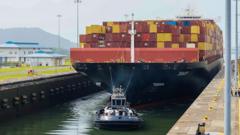
The Panama Canal Authority announced Thursday that it will reduce vessel traffic through the critical waterway beginning next month. Starting 15 September, the canal will accommodate 32 ships daily, down from the current capacity of 36 vessels per day.
The reduction stems from drought conditions associated with El Niño, a naturally occurring pattern of ocean surface warming that affects global weather systems. Current forecasts indicate this year’s El Niño event could rank among the strongest on record, with impacts amplified by climate change. The authority indicated that water levels at the canal have been affected by low rainfall, necessitating operational adjustments.
The phased implementation of new measures will begin 3 September. The ACP stated that the reduction aims to maintain service reliability while protecting freshwater resources needed for human consumption. The authority noted that despite the onset of Central America’s rainy season and existing water conservation efforts at the canal, additional action was required to ensure long-term sustainability of transit operations.
The Panama Canal serves as a critical route for global commerce, handling approximately 14,000 vessels annually and reducing transit times and distances between Atlantic and Pacific waters. The waterway generates roughly $3 billion annually for Panama’s economy. In 2023, the authority implemented similar reductions during the previous El Niño period, following Panama’s driest October since record-keeping began in 1950.
The canal operates continuously and represents a vital chokepoint for international trade. The current reductions occur amid broader shipping industry disruptions caused by geopolitical tensions affecting other major maritime routes.
Article Attribution | Read More at Article Source
Article summary produced by Claude AI