

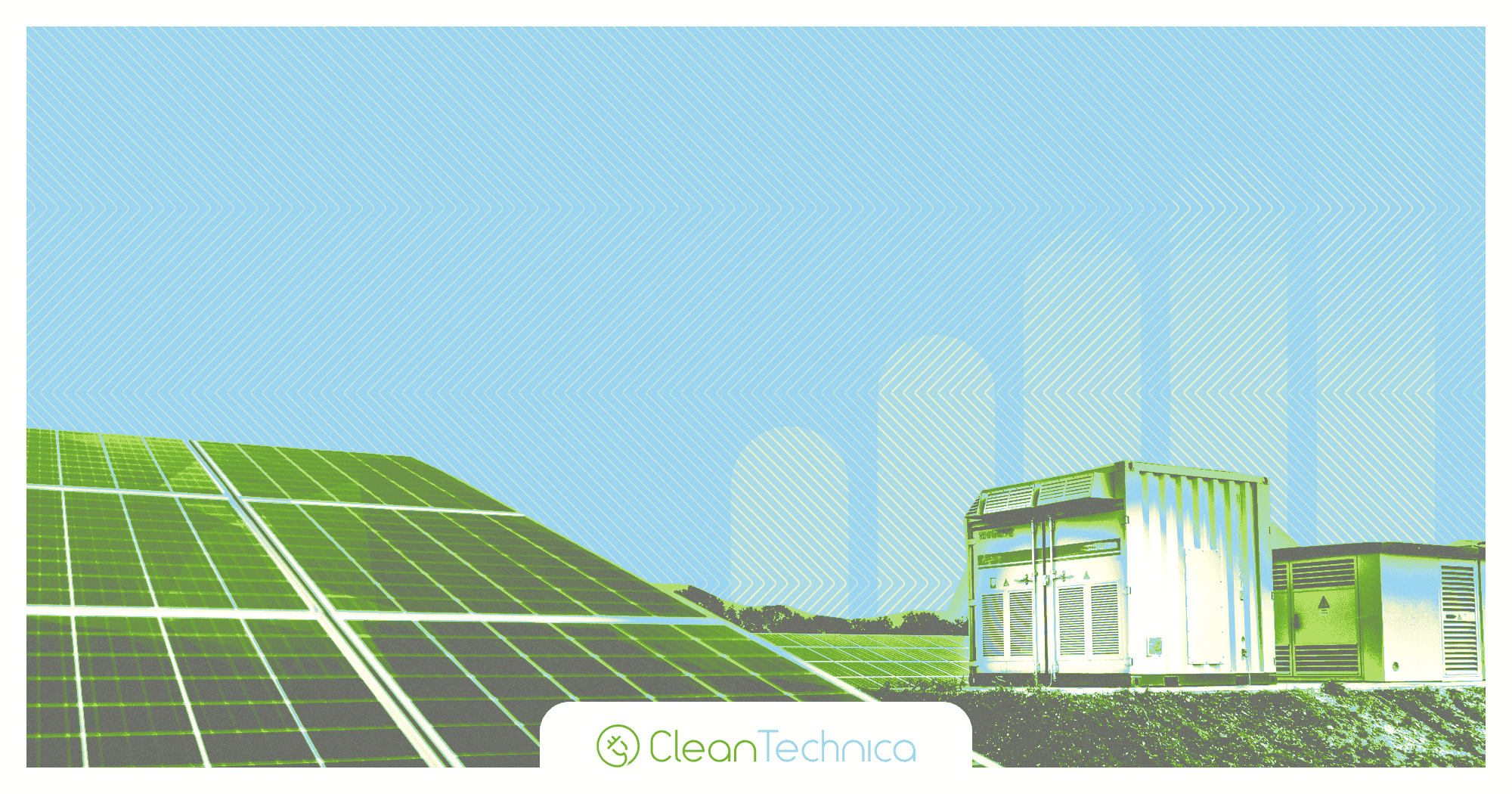
Energy storage capacity in the United States has grown dramatically in recent years, expanding from 6,000 megawatt-hours in 2020 to over 175,000 megawatt-hours currently, sufficient to power millions of homes. The technology allows grid operators to store energy during periods of low cost and abundance, then release it during high-demand periods to help stabilize prices and ensure reliable power delivery. This capability has become increasingly important as electricity consumption rises due to data center operations, advanced manufacturing facilities, and extreme weather conditions.
Five states have emerged as leaders in energy storage deployment and policy development. California became the first state to adopt energy storage targets in 2010, aiming for 1,825 megawatts by 2024 and subsequently far exceeding that goal with over 21,000 megawatts of capacity. Nevada implemented a bipartisan storage standard that has positioned it fourth nationally in installed capacity at 1,700 megawatts, surpassing its 2030 target. Illinois enacted the Clean and Reliable Grid Affordability Act earlier this year, establishing a goal of 3,000 megawatts by 2030 and expected to generate $13.4 billion in electricity bill savings over two decades.
Virginia and Massachusetts round out the five leading states, each developing comprehensive storage strategies. Virginia expanded its energy storage targets in 2026 to include 16,780 megawatts of short-duration storage by 2040 and 4,520 megawatts of long-duration storage by 2045, driven partly by rapid electricity demand growth from data center development. Massachusetts surpassed its original 1,000 megawatt-hour target in 2025 and continues expanding its storage focus through recent legislation and executive action.
Beyond these five states, other jurisdictions including Georgia and Texas are also moving forward with significant energy storage deployment. Policymakers across the country recognize that batteries provide flexible resources capable of maintaining grid reliability while delivering affordable electricity to consumers. Since 2010, a total of 13 states have implemented policies supporting energy storage capacity expansion.
Article Attribution | Read More at Article Source
Article summary produced by Claude AI