

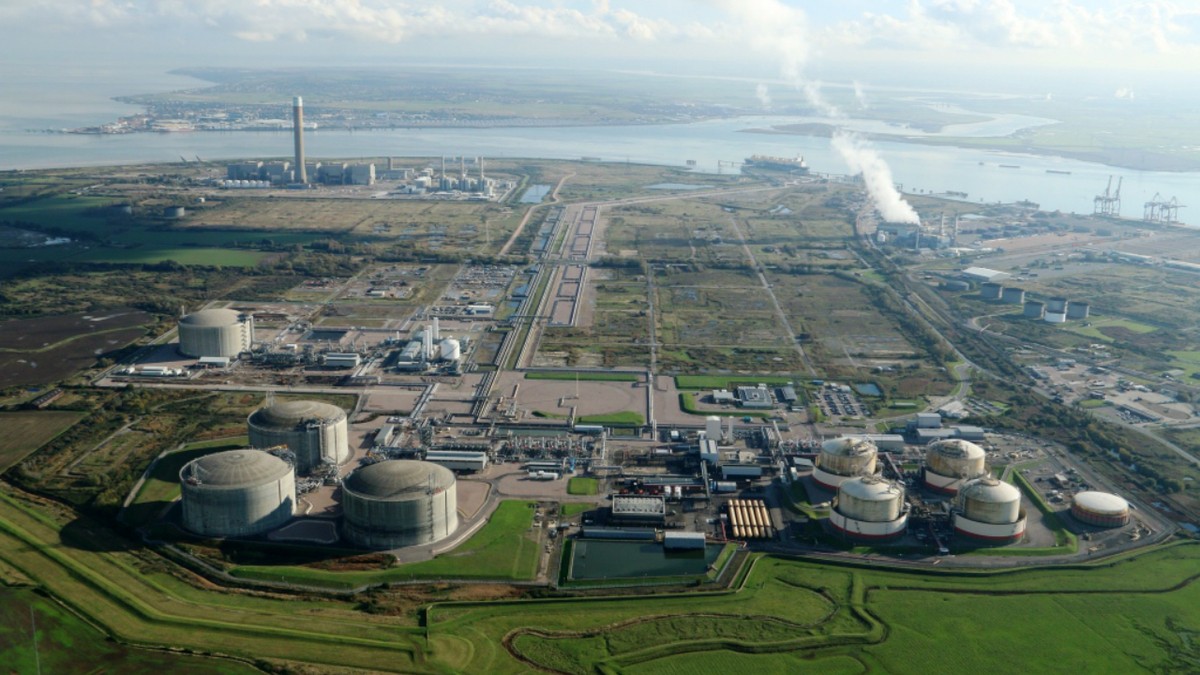
Europe is entering the winter season with natural gas storage levels approximately 63% full, marking the lowest inventory levels for this time of year in nearly two decades and falling well below historical five-year averages. The storage squeeze stems from a combination of factors, including reduced global liquefied natural gas supply caused by geopolitical tensions affecting Qatar’s exports through the Strait of Hormuz, elevated demand for electricity during summer heatwaves, and intense competition from Asian markets for available LNG cargoes.
European gas prices have climbed to multi-month highs, with the Dutch Title Transfer Facility benchmark reaching levels not seen since 2023. Analysts caution that Europe may struggle to meet even its more flexible storage targets ahead of the heating season, with the Netherlands already warning it will miss its objectives. The pricing pressures are beginning to impact consumer energy bills across the continent, with some regions experiencing immediate effects while others face delayed impacts depending on their energy market structures.
The United Kingdom exemplifies this trend, with household energy price caps set to increase by 4% for the October through December period, putting energy bills at three-year highs. Despite these challenges, Europe’s natural gas consumption has declined approximately 10-15% compared to 2021 levels due to increased renewable energy generation and industrial adaptation to tighter markets.
Analysts note that without rapid restoration of LNG flows through the Strait of Hormuz, Europe could face its highest gas and electricity prices in four years, with the prospect of an even steeper refilling requirement for storage during the following summer. Current market dynamics suggest that European dependence on just-in-time LNG supplies will likely remain elevated throughout the coming winter months.
Article Attribution | Read More at Article Source
Article summary produced by Claude AI