

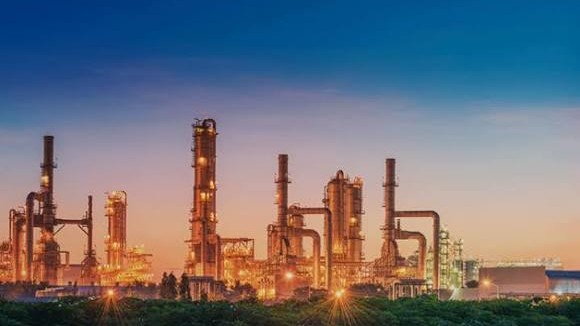
Europe’s anaerobic digesters currently produce substantial quantities of methane-rich biogas, yet most facilities burn or upgrade this gas rather than exploring alternative uses. Researchers and industry observers are examining whether biogas could be converted into ammonia fertilizer at individual production sites, potentially creating a new category of medium-scale industrial facilities positioned between laboratory equipment and conventional million-tonne ammonia complexes.
Technically, the conversion process is not novel. Raw biogas containing 55 to 65 percent methane undergoes contaminant removal, then methane is converted to hydrogen through reforming, while nitrogen is separated from air. These components subsequently enter standard ammonia synthesis loops. A large digester producing 1,000 normal cubic metres per hour could theoretically support ammonia production of 25 to 30 tonnes daily. Modular ammonia technology has advanced significantly in recent years, with companies like Proton Ventures and Stamicarbon already developing smaller-scale systems, indicating the technology is moving into feasible production ranges.
The economic case depends on multiple factors beyond raw material costs. Decentralized plants cannot compete solely on production efficiency against world-scale facilities operating under optimal conditions, but they offer distinct advantages including access to existing local feedstock, elimination of biomethane grid infrastructure, reduced fertilizer transportation, process heat utilization, proximity to agricultural customers and insulation from international gas price volatility. Success requires high annual facility utilization, professional gas cleaning, stable feedstock supply, competent operators and sufficient local demand absorption.
Biogas-derived ammonia presents carbon management considerations that distinguish it from fossil fuel-based production. While methane conversion produces carbon dioxide, capturing and permanently storing this biogenic carbon could render the final product carbon-negative at the system level. This advantage does not apply to standard fossil natural gas sources.
Industry observers recommend targeting a specific market niche rather than proposing wholesale replacement of Europe’s fertilizer infrastructure. Optimal initial candidates are large agricultural or industrial biogas plants with clean stable gas supplies, concentrated local fertilizer demand, adequate grid capacity and viable carbon dioxide outlets. Strategic demonstrations at well-instrumented sites could establish performance baselines for output, availability, emissions and delivered costs across seasons, potentially enabling standardized module deployment.
Article Attribution | Read More at Article Source
Article summary produced by Claude AI