

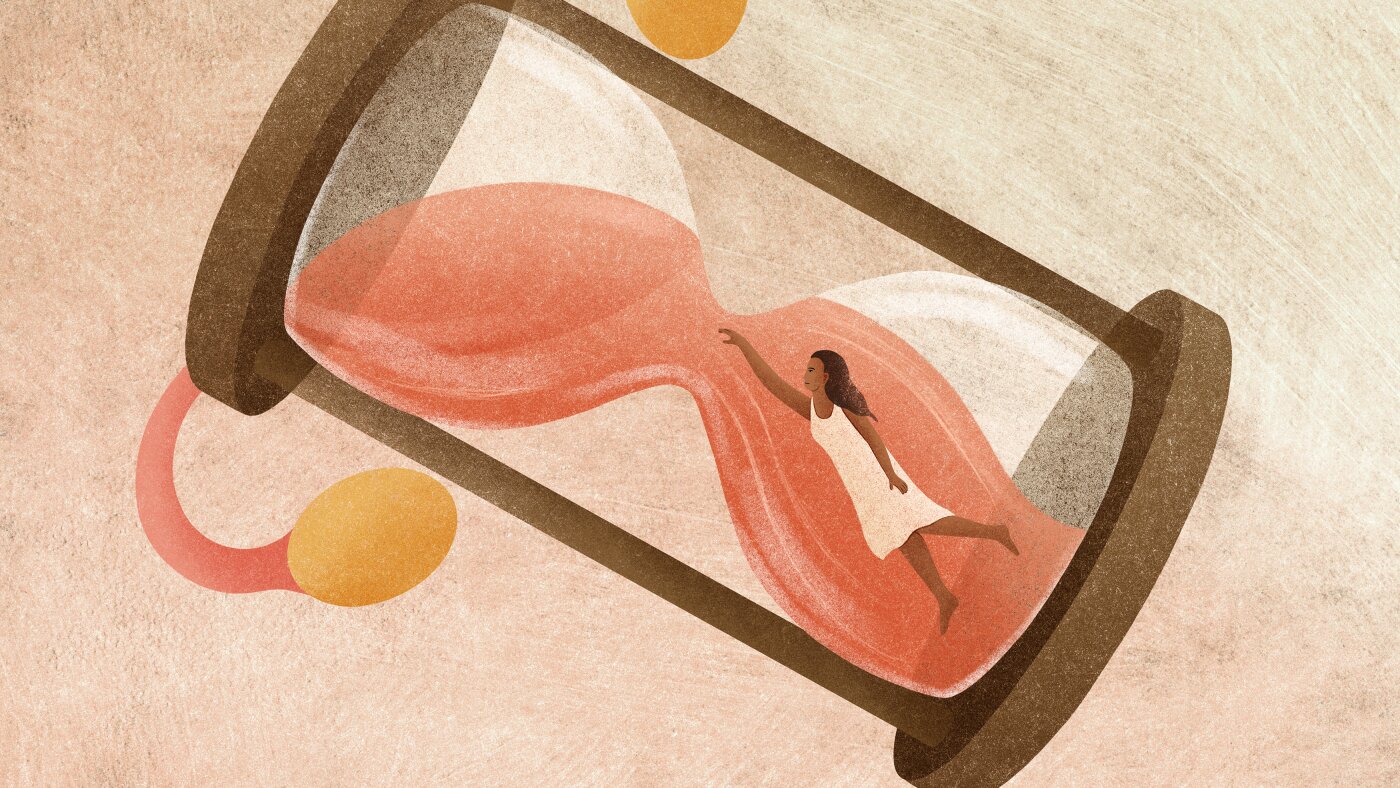
Menopausal hormone therapy has experienced a significant shift in medical perception in recent years. During the 2010s, physicians were cautious about prescribing these treatments based on findings from the Women’s Health Initiative study conducted throughout the 1990s and early 2000s. That research suggested hormone therapy increased risks of heart disease, breast cancer, stroke, and pulmonary embolism, leading to a dramatic decline in prescriptions. In 1999-2000, approximately 22% of American women over 40 were receiving menopausal hormone therapy, but by 2010, that figure had dropped to around 5%.
Subsequent re-analysis of the Women’s Health Initiative data has led researchers to conclude that menopausal hormone therapy is considerably safer than previously believed, particularly for women in their late 40s and 50s. Major medical organizations, including the American College of Obstetricians and Gynecologists and the Menopause Society, now recommend hormone therapy for appropriate candidates. The renewed acceptance has coincided with increased media attention, influencer marketing, and direct-to-consumer telehealth services promoting menopause treatments.
Medically, systemic hormone therapy is primarily recommended to treat vasomotor symptoms, commonly known as hot flashes, which researchers estimate affect up to 80% of women during the menopausal transition. These symptoms can significantly impact quality of life by disrupting sleep and work performance. Hormone therapy may also help prevent fractures in those at high risk of osteoporosis and can address genitourinary syndrome of menopause. However, physicians and researchers emphasize that hormone therapy should not be considered a preventative treatment for heart disease, longevity, or skin health, despite claims circulating online.
Certain medical conditions warrant caution. Women with a history of breast cancer, blood clots, heart attacks, or strokes should have detailed discussions with their doctors before considering hormone therapy. For those unable to take hormones, alternative treatments exist, including certain antidepressants or fezolinetant, approved by the Food and Drug Administration in 2023. Medical experts stress that treatment decisions should be individualized, based on each patient’s medical history, symptoms, and personal values, rather than following one standardized approach.
Article Attribution | Read More at Article Source
Article summary produced by Claude AI