

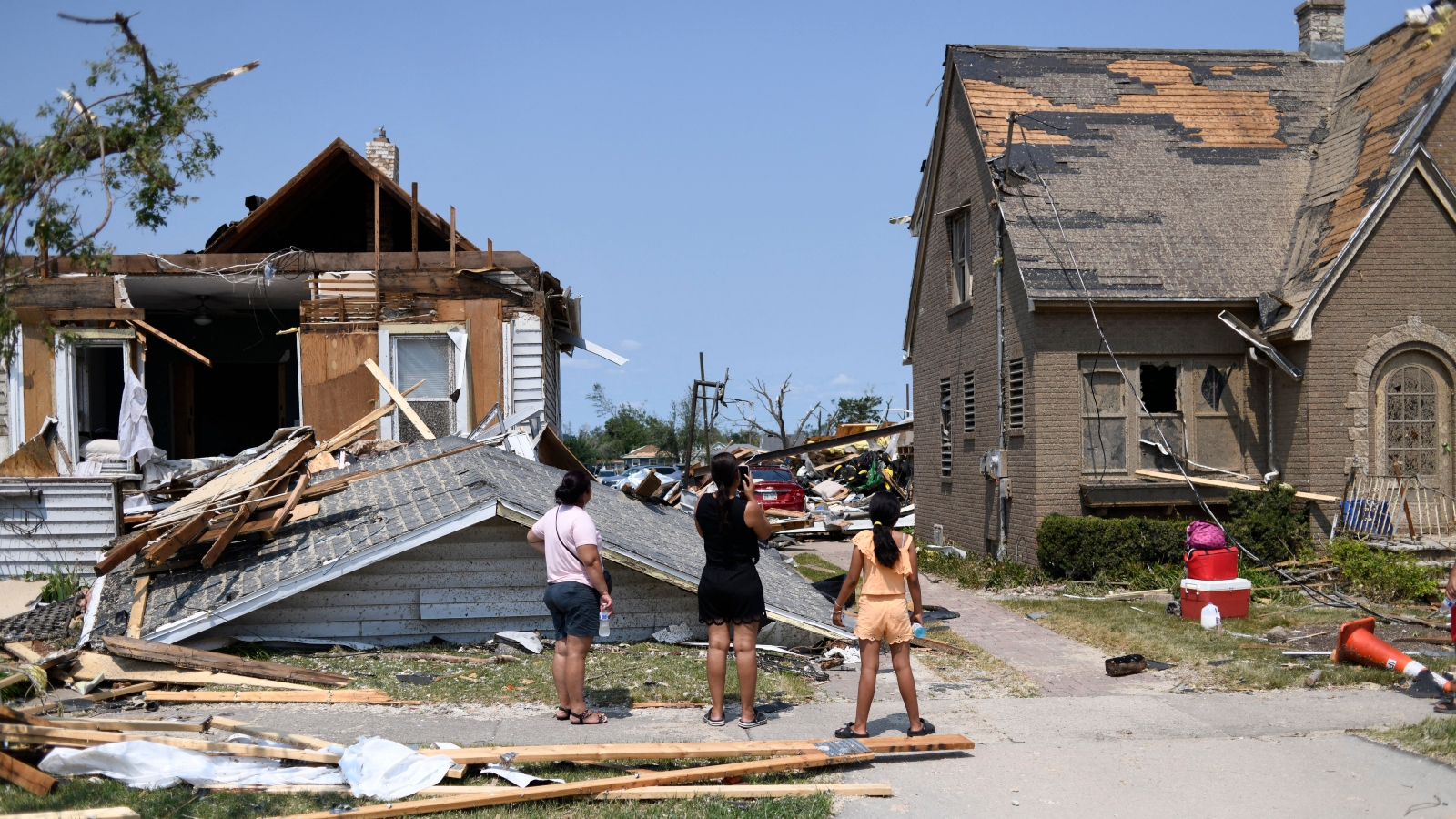
Research from polling firm Gallup and the Walton Family Foundation reveals that approximately 38 percent of Americans say they have experienced damage from extreme weather in recent years, marking a record high and up 5 percentage points from 2023. However, the study presents a counterintuitive finding: those who report experiencing extreme weather damage are significantly more likely to feel powerless in controlling their own circumstances.
The survey data shows that 38 percent of respondents who experienced extreme weather said they “mostly feel pushed by circumstances beyond their control,” compared to 29 percent among those who had not experienced a disaster. Correspondingly, fewer disaster-affected respondents reported feeling able to shape their own path despite difficulties. Notably, this perceived loss of agency appears isolated to that specific aspect of people’s worldviews. Those who experienced extreme weather showed no greater desire to relocate, no different assessment of community preparedness, and no change in optimism about the future. Megan Brenan, a senior editor at Gallup, attributed the stability in other responses to strong community ties among disaster survivors.
Regional variations in reported extreme weather damage were pronounced. In the region encompassing Kentucky, Tennessee, Alabama, and Mississippi, 58 percent of residents reported experiencing extreme weather damage—the only region where a majority made this claim. By contrast, only 24 percent of Mountain West residents reported such damage. Researchers note these perceptions may reflect differences in property damage from storms and floods rather than actual disaster frequency, as residents may not classify drought or heat waves as “damaging” even when widely experienced.
Scholars studying this phenomenon caution that long-term impacts remain unclear. Megan Mullin, a public policy professor at UCLA who researches climate attitudes, noted that few studies follow disaster victims over extended periods and results remain conflicting. Some research suggests extreme weather experience increases support for adaptation measures and government intervention, while other studies find little relationship between disasters and climate concern. Political affiliation and personality traits appear more influential than direct experience in shaping climate views.
Disaster researchers have identified concerning patterns suggesting extreme weather can erode public trust in government precisely when citizens need strong institutional responses. However, some communities have mobilized constructively after major events, as occurred following the Marshall Fire in Colorado, where residents successfully advocated for recovery-focused legislation. Researchers acknowledge that confounding factors, such as anxiety predisposing people to report both disaster experience and lack of agency, may influence survey results.
Article Attribution | Read More at Article Source
Article summary produced by Claude AI