

Extreme heat events across Europe in June and July 2026 impacted multiple forms of electricity generation simultaneously, with temperatures exceeding 40 degrees Celsius in several regions. The heatwaves increased electricity demand significantly as consumers relied more heavily on cooling systems, while simultaneously reducing the ability of power plants to operate at full capacity. In France, daily electricity consumption rose nearly 20% during a two-week heatwave in June.
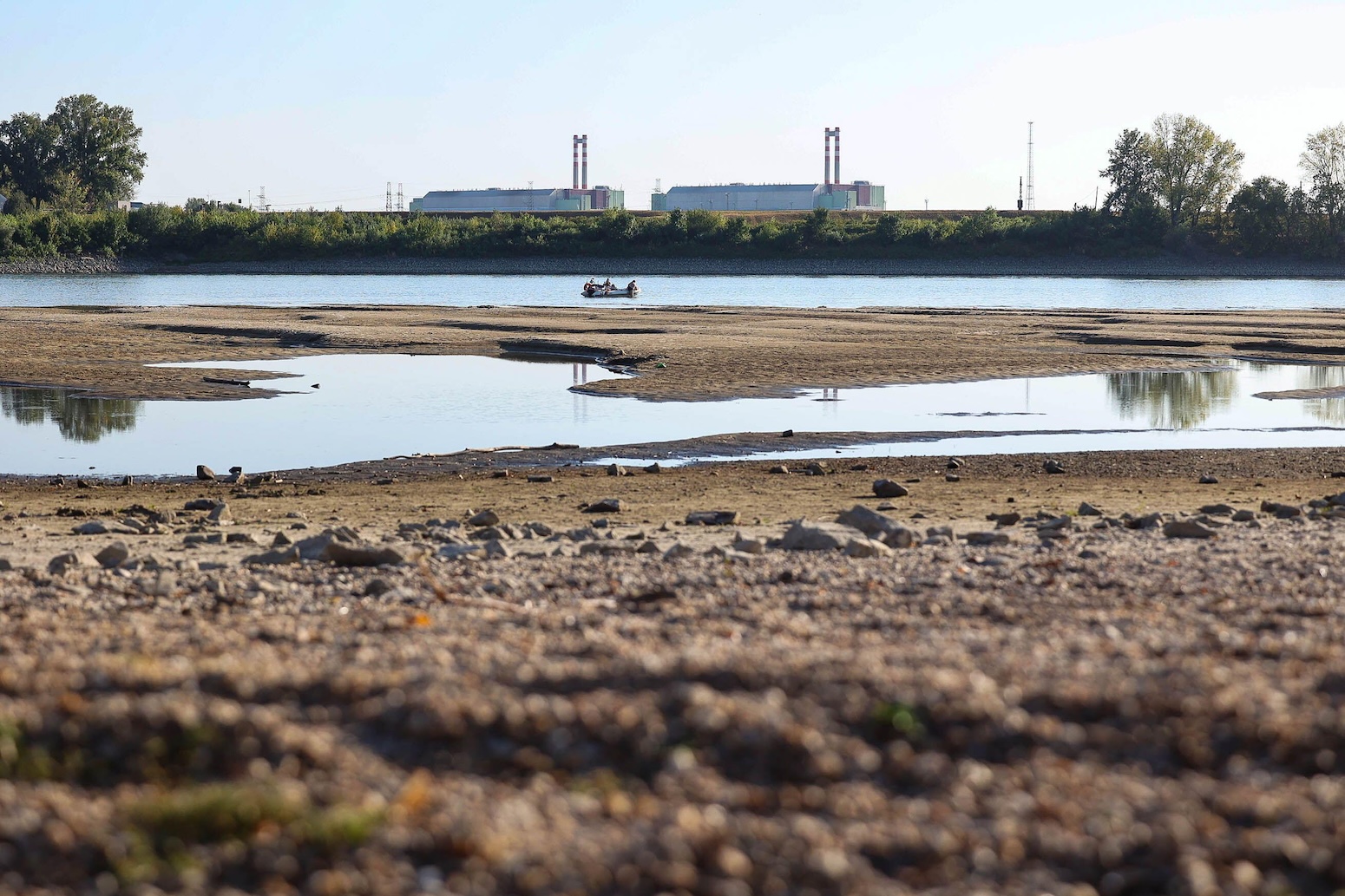
Nuclear power generation proved particularly vulnerable to the extreme conditions. During the July heatwave, three of France’s 57 nuclear reactors were forced to shut down entirely, while seven others operated at reduced capacity, resulting in an approximately 9% decline in the nation’s nuclear output. Similar issues affected other European nations, with low water levels on the Danube forcing reductions at nuclear facilities in Romania and Hungary, while a Swiss reactor also ceased operations due to elevated river temperatures. Nuclear plants that rely on once-through river cooling systems, representing roughly 14% of the global fleet, face the greatest vulnerability during heatwaves and drought conditions.
Nuclear facilities require substantial quantities of water to cool reactors and condense steam in their power generation process. When water temperatures rise or availability decreases, the cooling capacity and overall efficiency of these plants diminish. Experts note that while high water temperatures typically trigger automatic regulatory compliance shutdowns designed to protect aquatic ecosystems, these facilities can resume normal operations relatively quickly once conditions improve. However, drought conditions that persist for extended periods present a more serious challenge, as was occurring in eastern Europe on August 3, when approximately 40% of south-east Europe’s nuclear capacity remained offline due to Danube water shortages.
Research indicates that while heatwaves produce significant short-term operational disruptions, their annual impact on nuclear generation remains modest. Between 2003 and 2022, heatwaves reduced annual nuclear output by an average of 0.6%, with France in 2003 being the only instance when a national fleet lost more than 1% of annual production to heat and drought-related reductions. Nevertheless, the vulnerability of nuclear power remains consequential given the substantial capacity of individual plants and their strategic importance in national energy systems.
Article Attribution | Read More at Article Source
Article summary produced by Claude AI