

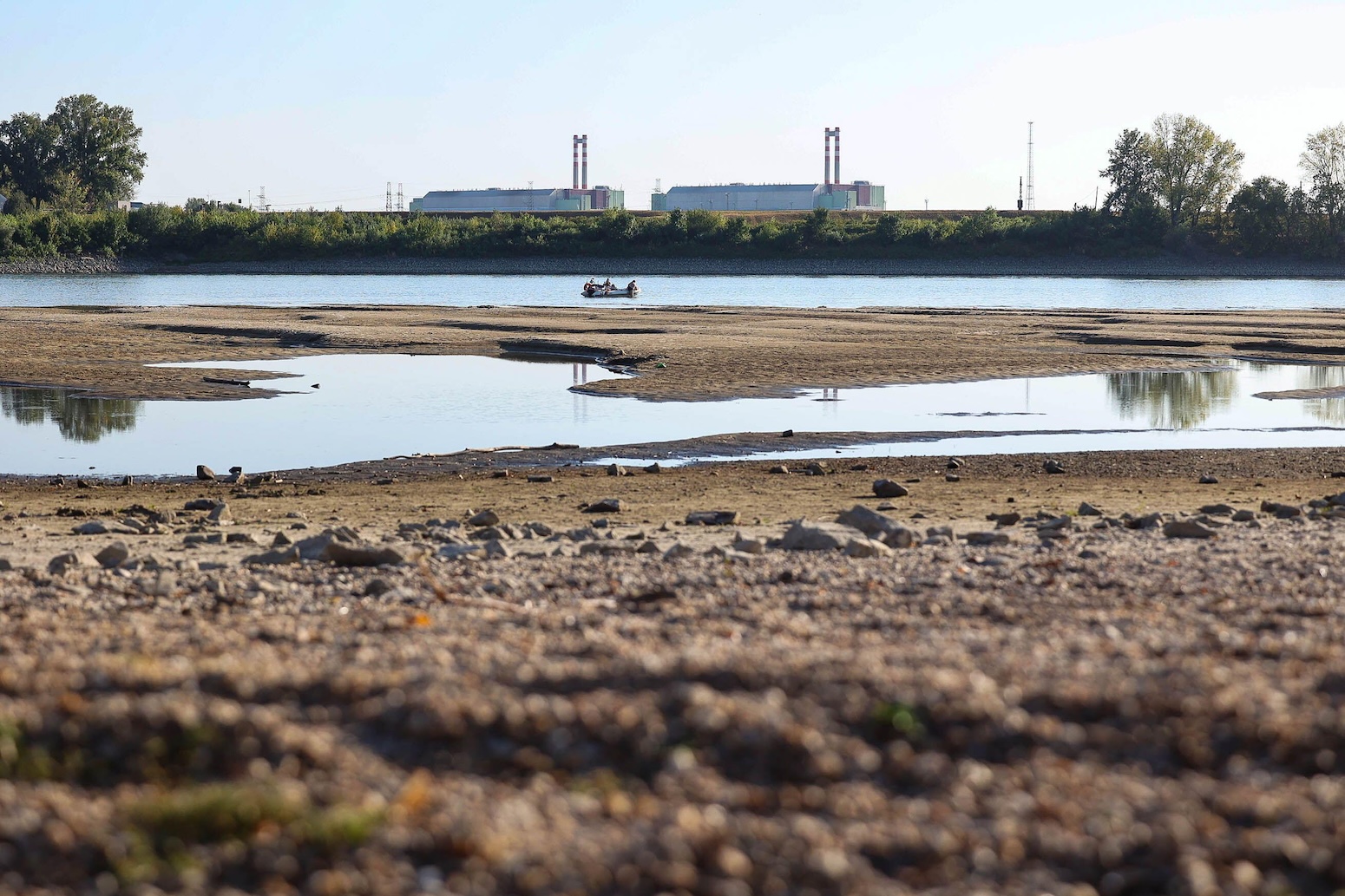
Extreme heat events are increasingly disrupting electricity generation globally, with impacts spanning all major power sources. During heatwaves that affected parts of Europe in June and July 2026, temperatures exceeding 40 degrees Celsius triggered widespread challenges across nuclear, gas, wind, and solar facilities. Simultaneously, electricity demand rose sharply as consumers increased air conditioning and refrigeration use, with France experiencing nearly 20% higher daily electricity demand during a two-week heatwave in June 2026.
Nuclear power plants proved particularly vulnerable to heat stress, especially those relying on river water for cooling. In France, which generates approximately 70% of its electricity from nuclear sources, three of 57 reactors shut down during the July heatwave, with output reduced at seven additional facilities, resulting in a roughly 9% decline in power production. Similar challenges emerged across Europe, where low water levels on the Danube impacted reactors in Romania and Hungary, while a Swiss facility closed due to elevated river temperatures. Globally, about 14% of nuclear capacity uses river water for cooling, including roughly 60 of the world’s 440 reactors.
Industry researchers emphasized that while heatwave impacts are genuine, they are often overstated in public discourse. According to experts cited, reactor shutdowns typically result from regulatory requirements to protect aquatic ecosystems rather than technological failures. Research indicates that between 2003 and 2022, heatwaves reduced average annual nuclear generation by just 0.6%, with France in 2003 being the only instance when a national fleet lost more than 1% of annual capacity to heat and drought effects. Drought conditions, however, can produce more prolonged disruption than temporary temperature spikes, potentially persisting for extended periods when rainfall remains limited.
At the time of reporting, significant portions of southeastern Europe’s nuclear capacity remained offline due to drought conditions on the Danube, with approximately 40% of the region’s nuclear capacity unavailable. French nuclear capacity experienced 12% offline status due to heat-related factors, though reductions were expected to decline in subsequent days. The broader challenge posed by heatwaves extends beyond technical constraints, as electricity price premiums emerge when generation capacity strains under increased demand during peak heat events. Experts noted that certain regulatory frameworks can be temporarily adjusted during energy emergencies to balance electricity needs against environmental protections, though such measures reflect the complex interplay between technical, legal, and policy considerations during extreme weather events.
Article Attribution | Read More at Article Source
Article summary produced by Claude AI