

Heatwaves intensified by climate change are affecting power generation across multiple sources worldwide as extreme temperatures drive up electricity demand. In June and July 2026, European heatwaves exceeding 40 degrees Celsius prompted shutdowns and reduced output across nuclear reactors, gas plants, wind farms, and stressed electricity networks. The heightened demand from air conditioning and other cooling systems simultaneously increased pressure on generation capacity, leading to elevated electricity prices.
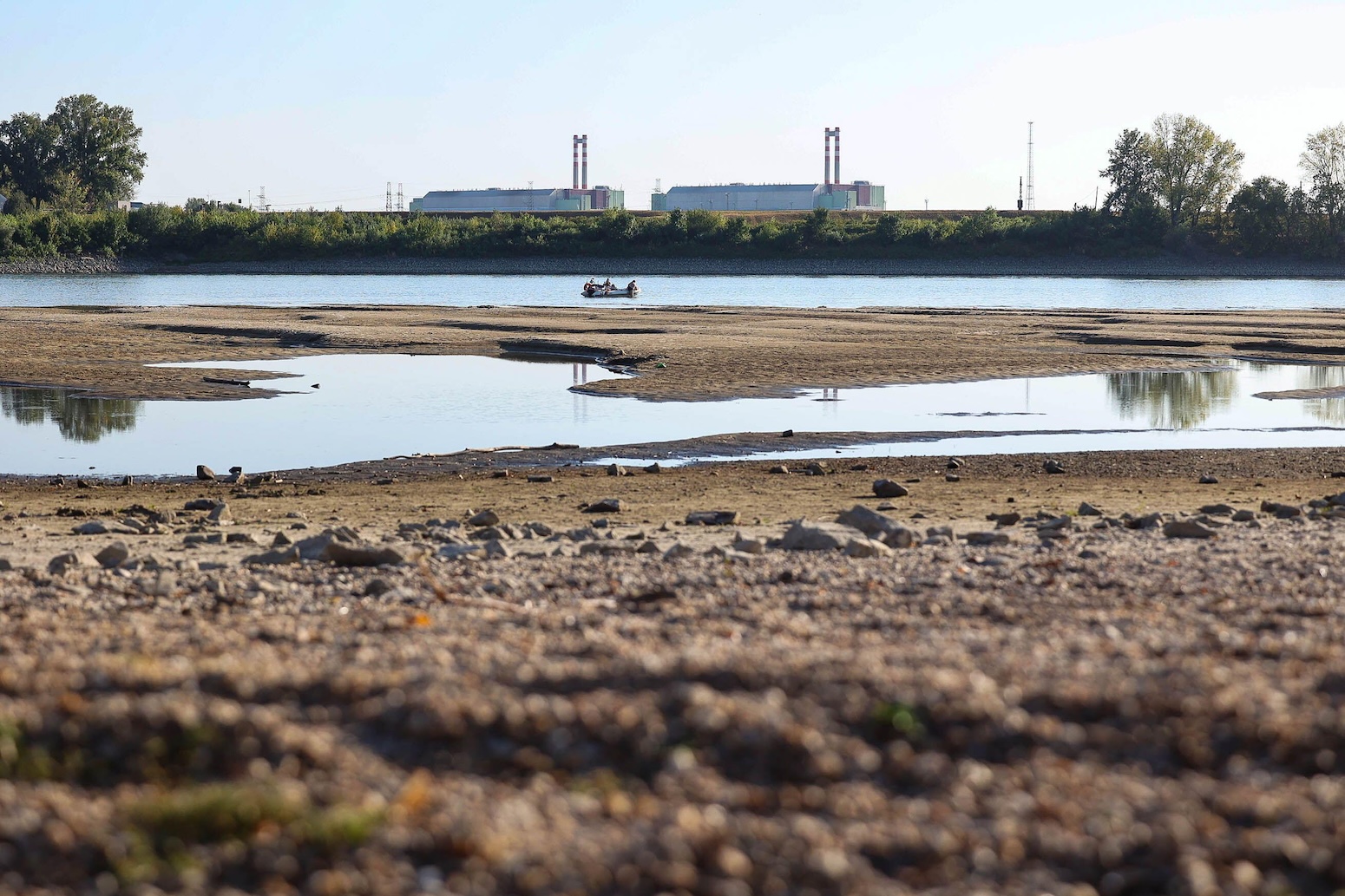
Nuclear power generation faces particular vulnerability in regions with high dependence on the technology. France generates approximately 70% of its electricity from nuclear sources, making it susceptible to heat-related disruptions. During the July 2026 heatwave, three of France’s 57 reactors shut down completely while seven others operated at reduced capacity, resulting in a roughly 9% decline in overall power production. This pattern has repeated across multiple heatwaves in France over the past two decades. Similar challenges emerged elsewhere in Europe, with reactors in Romania and Hungary facing issues from low Danube River levels, while a Swiss facility shut down due to elevated water temperatures.
Nuclear plants relying on river water for cooling are most severely affected, comprising approximately 14% of the global reactor fleet. When ambient temperatures rise, cooling water temperatures increase, reducing the plants’ efficiency. Additionally, drought conditions can limit available water for cooling purposes. However, researchers note that while impacts are genuine, they remain smaller than headlines often suggest. Most reactor shutdowns during heatwaves result from regulatory requirements to protect aquatic ecosystems rather than technical failures. High water temperatures typically resolve quickly once heatwaves pass, though drought-induced low water levels can persist for extended periods. As of early August 2026, approximately 40% of southeast Europe’s nuclear capacity was offline due to Danube drought conditions, with no significant rainfall forecast.
Historical data indicates that while heatwaves produce significant short-term effects on nuclear generation, annual impacts remain modest. Between 2003 and 2022, heatwaves reduced annual nuclear generation by an average of 0.6%, with France’s 2003 experience being the sole instance when a national fleet lost more than 1% annually due to heat and drought-related curtailments.
Article Attribution | Read More at Article Source
Article summary produced by Claude AI