

Heatwaves sweeping across Europe in June and July 2026 have disrupted multiple forms of electricity generation as temperatures exceeded 40 degrees Celsius in some regions. The extreme conditions simultaneously increased electricity demand, with France reporting a nearly 20% rise in daily consumption during a two-week heatwave in June as residents relied more heavily on air conditioning and refrigeration. This combination of reduced generation capacity and surging demand has strained electricity networks and driven up power prices across the continent.
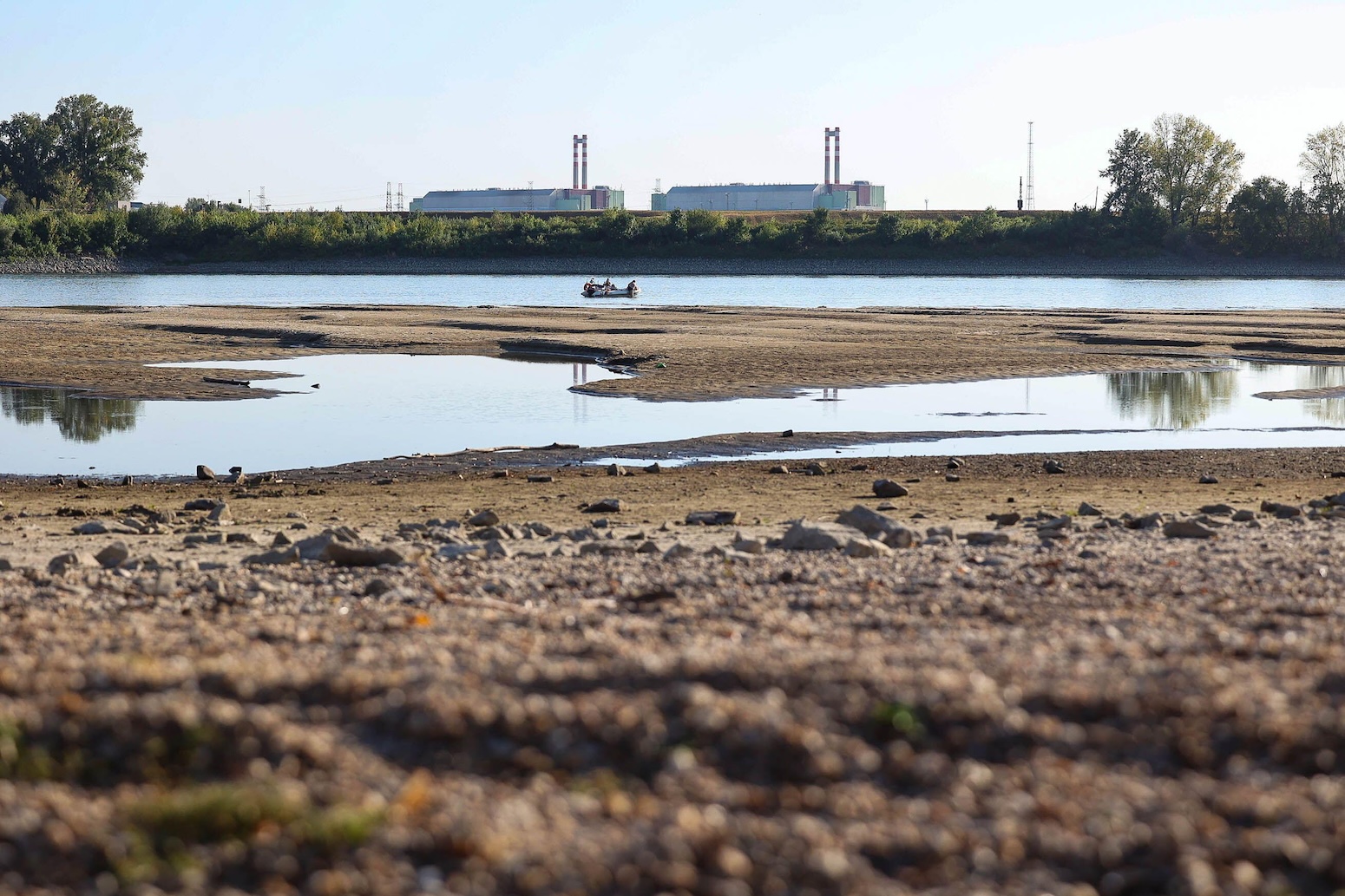
Nuclear power plants have been particularly affected by the heat and associated low water levels. During the July 2026 heatwave, three of France’s 57 nuclear reactors shut down entirely, with another seven operating at reduced capacity, resulting in an approximate 9% decline in the country’s total power production. Similar issues emerged elsewhere in Europe, where low water levels on the Danube have forced nuclear facilities in Romania and Hungary offline, and a Swiss reactor shut down due to elevated river temperatures. Approximately 14% of the global nuclear fleet relies on river water for cooling, making them vulnerable when water temperatures rise or water availability declines during drought conditions.
According to researchers and industry representatives, while the immediate impact of heatwaves on nuclear generation is visible, the longer-term effect remains limited. One expert notes that even extreme cooling-water temperature increases of 15 degrees Celsius would reduce a large reactor’s output by only about 6%. Many reactor shutdowns during heatwaves occur due to environmental protection regulations limiting how warm water returned to rivers can be, rather than technical limitations. However, drought-related low water levels pose a more persistent challenge than elevated temperatures, potentially requiring extended operational reductions. As of early August, approximately 40% of south-east Europe’s nuclear capacity was offline due to Danube water levels.
Historical data indicates that while heatwaves produce significant short-term disruptions, their annual impact on nuclear generation averaged just 0.6% between 2003 and 2022, with France in 2003 being the only year a national fleet lost more than 1% of annual production. Nevertheless, nuclear power’s vulnerability to heat stress remains a concern given the substantial capacity of individual plants and their critical role in powering certain nations’ electricity systems.
Article Attribution | Read More at Article Source
Article summary produced by Claude AI