

Climate skeptics and right-wing commentators have circulated social media posts this week claiming that Europe is experiencing its quietest year for wildfires in 2026. These posts, shared by figures including former University of Alabama geochemist Matthew Wielicki and conservative commentator Matt Ridley, featured charts suggesting wildfire activity is unusually low compared to recent years. However, fact-checkers have identified significant methodological flaws in these claims.
The primary issue with these charts stems from their geographic scope. The data sources used encompass all of Russia, including Siberia’s vast plains, which typically account for roughly 74 percent of the area classified as Europe in wildfire databases. This year, Russian wildfires have been substantially below average, creating a false impression of continental stability. According to researchers, aggregating fire activity across such climatically diverse regions masks the true situation in areas currently experiencing severe conditions. The charts also include agricultural fires deliberately set to manage cropland, a practice that has declined significantly across much of Europe.
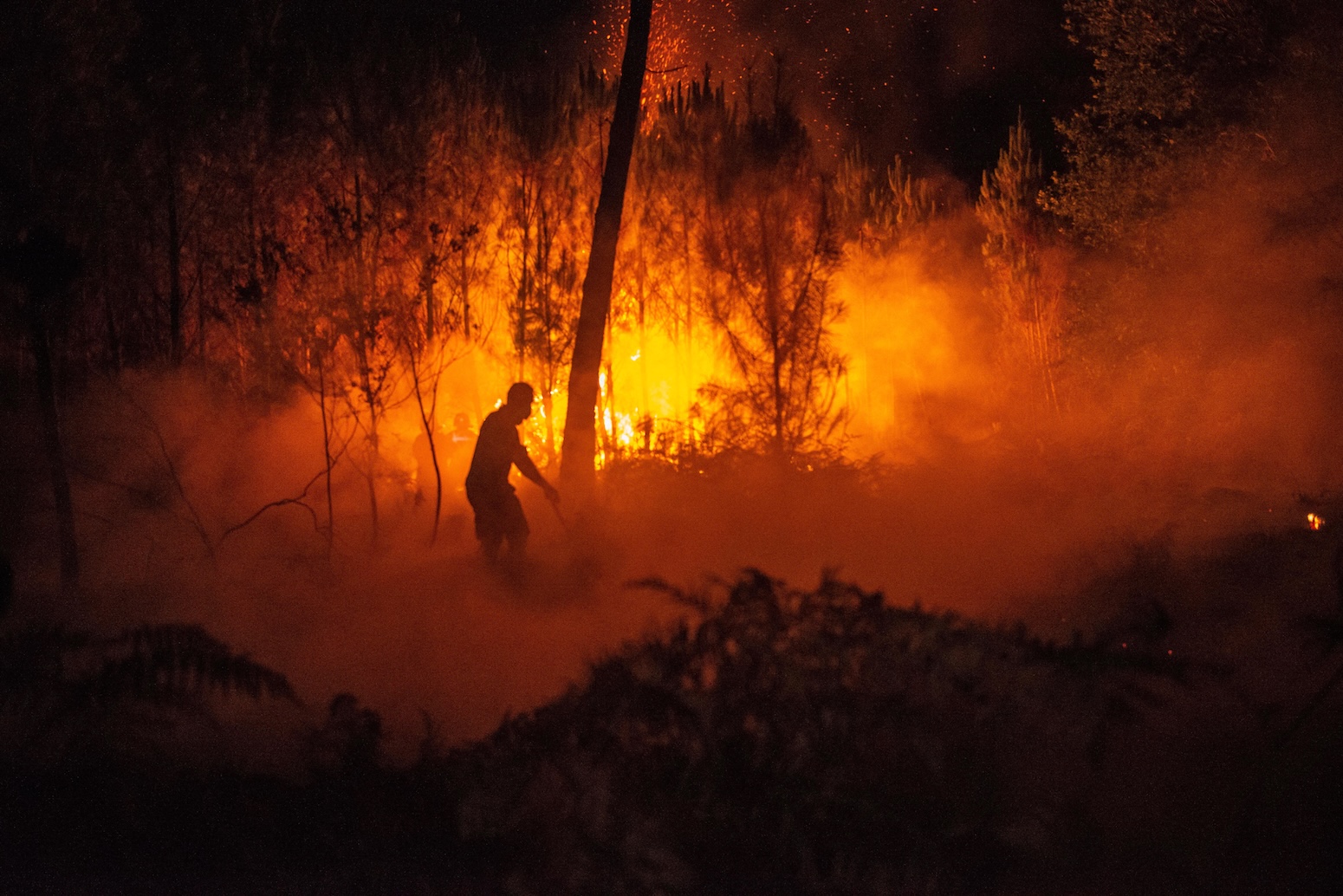
When examining data specific to the European Union, which excludes Russia, the actual wildfire situation appears markedly different. According to the European Forest Fire Information System as of late July, the cumulative burned area across EU nations stands at nearly 435,000 hectares, ranking as the second-worst year on record for this period, surpassed only by 2022. France has experienced a particularly severe situation, breaking its previous annual burned area record by more than 19,000 hectares. The country’s fires have intensified dramatically following a record-breaking June heatwave that dried vegetation across the region.
The humanitarian impact has been substantial, with over 220,000 people evacuated from the Gironde fire west of Bordeaux, potentially representing France’s largest peacetime evacuation. Spanish wildfires are similarly described as among the worst on record. An approaching heatwave has heightened concerns about further deterioration in coming days. Researchers have characterized the claims of a quiet wildfire year as “highly misleading,” noting that regional analysis reveals western Europe has experienced extraordinary fire conditions despite Russia’s below-average season.
Article Attribution | Read More at Article Source
Article summary produced by Claude AI