

England and Wales experienced their driest July in 190 years of record-keeping, according to the Met Office, prompting drought declarations across significant portions of the country. The Energy and Climate Intelligence Unit estimates that the combined harvest of cereals and oilseeds could fall 2.5 million tonnes below previous projections, with barley, oats, and rapeseed production expected to reach just 19.5 million tonnes—the lowest level since tracking began in 1984.
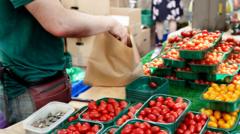
Tim O’Malley, chairman of Nationwide Produce, characterized the agricultural situation as severe, noting that shoppers will likely encounter either elevated prices or reduced produce sizes at retail outlets. The anticipated 19.5 million tonne harvest would represent a decline from the previous low of 19.8 million tonnes recorded in 2020 and would cost farmers approximately £390 million in lost revenue. These crops serve dual purposes in the food system, functioning both as direct food products and as feed for livestock, making shortfalls particularly consequential throughout the supply chain.
Water availability has emerged as a critical constraint affecting farming operations. Half of England and all of Wales have been officially designated as drought areas by the Environment Agency. Wales has received only 8 percent of its typical monthly rainfall, while southern England has experienced just 1 percent of average precipitation. High temperatures have accelerated evaporation from water sources, reducing supplies available through both groundwater extraction and surface water collection from rivers and streams.
Importers are already compensating for domestic supply constraints by sourcing additional produce from abroad, including items such as broccoli and iceberg lettuce from Spain during periods when such imports would typically be unnecessary. Industry observers anticipate this trend will intensify. Analysts attribute the agricultural challenges partly to climate change, noting that the sector faces mounting exposure to increasingly severe and prolonged heatwaves projected for future UK summers. Farmers across regions report unprecedented conditions, with some previously skeptical about climate impacts now expressing concerns about business viability and long-term production capacity.
Article Attribution | Read More at Article Source
Article summary produced by Claude AI