

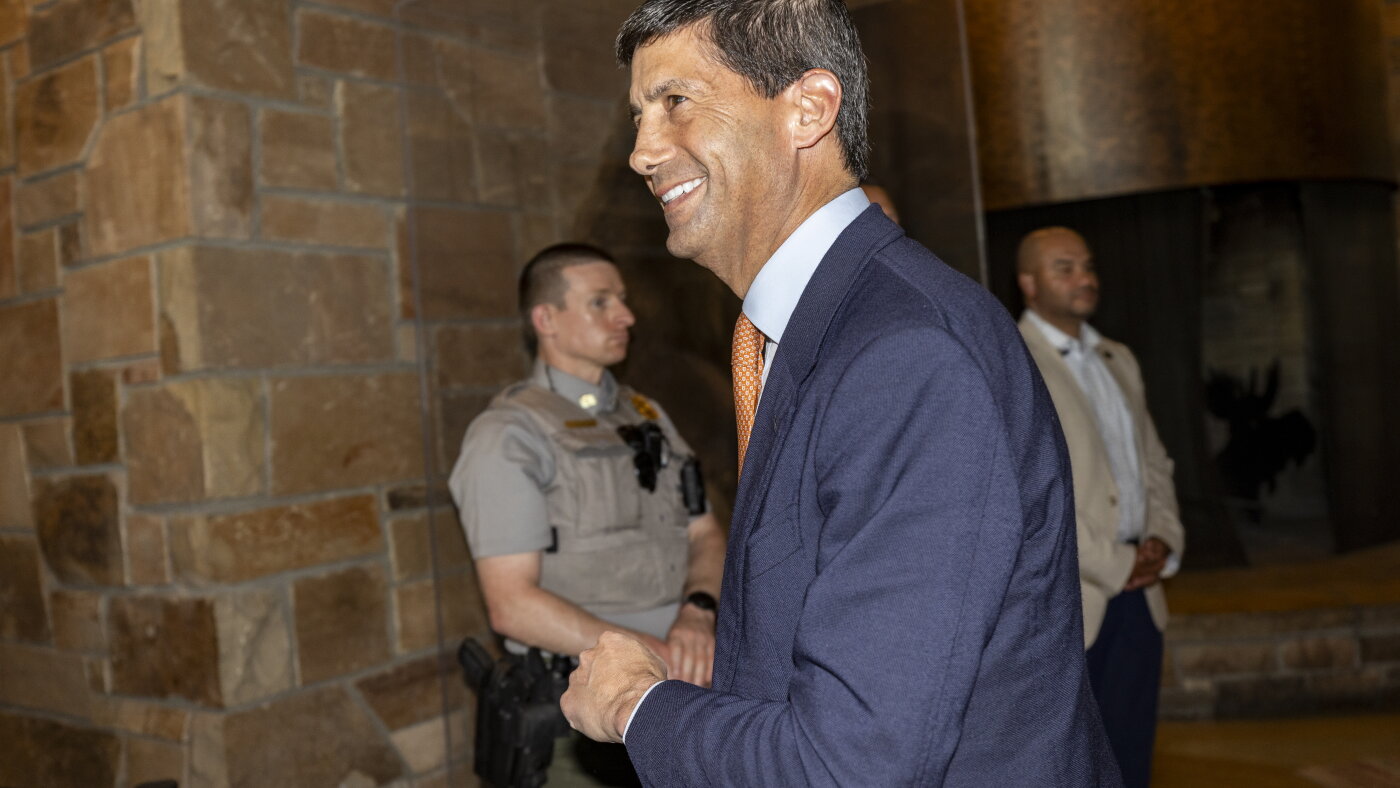
Federal Reserve Chairman Kevin Warsh delivered remarks at the Jackson Hole Economic Symposium on Friday, addressing inflation concerns and the current state of the U.S. economy. While maintaining his typical reluctance to provide explicit forward guidance on interest rate decisions, Warsh’s emphasis on inflation prompted significant market reactions regarding the likelihood of monetary tightening ahead.
Warsh characterized the economic backdrop as generally solid, noting that the labor market remains stable, business investment is robust, and consumer spending continues to show resilience. However, he underscored that price pressures remain problematic. Current inflation data shows the consumer price index up 3.4% over the prior twelve months through July, while the Federal Reserve’s preferred measure of inflation stands at 3.7% for the same period. Warsh stressed that these metrics, despite their limitations, collectively indicate inflation is persisting above the Fed’s 2% target.
Market participants interpreted Warsh’s focus on price stability as suggesting the central bank may shift toward raising its benchmark interest rate. Prior to the speech, investors assigned roughly one-in-three odds to a rate increase in September. Following his remarks, market pricing shifted to reflect odds above 50% for a September move. This reaction occurred despite Warsh’s continued avoidance of specific policy commitments, reflecting how closely markets parse central bank communications for directional cues.
Warsh reiterated his preference for measured Fed communications, arguing that a more restrained approach to guidance allows the central bank greater flexibility and permits market signals to more accurately reflect economic reality. He characterized this philosophy as enabling accountability through results rather than promises.
The Fed chairman also addressed artificial intelligence as a transformative economic force, describing it as a “hinge point in history.” He expressed optimism about AI’s potential to enhance productivity and reduce costs, while acknowledging uncertainties regarding beneficiaries and employment effects. He noted that near-term AI infrastructure investment is contributing to inflation pressures through elevated construction and semiconductor costs.
Article Attribution | Read More at Article Source
Article summary produced by Claude AI