

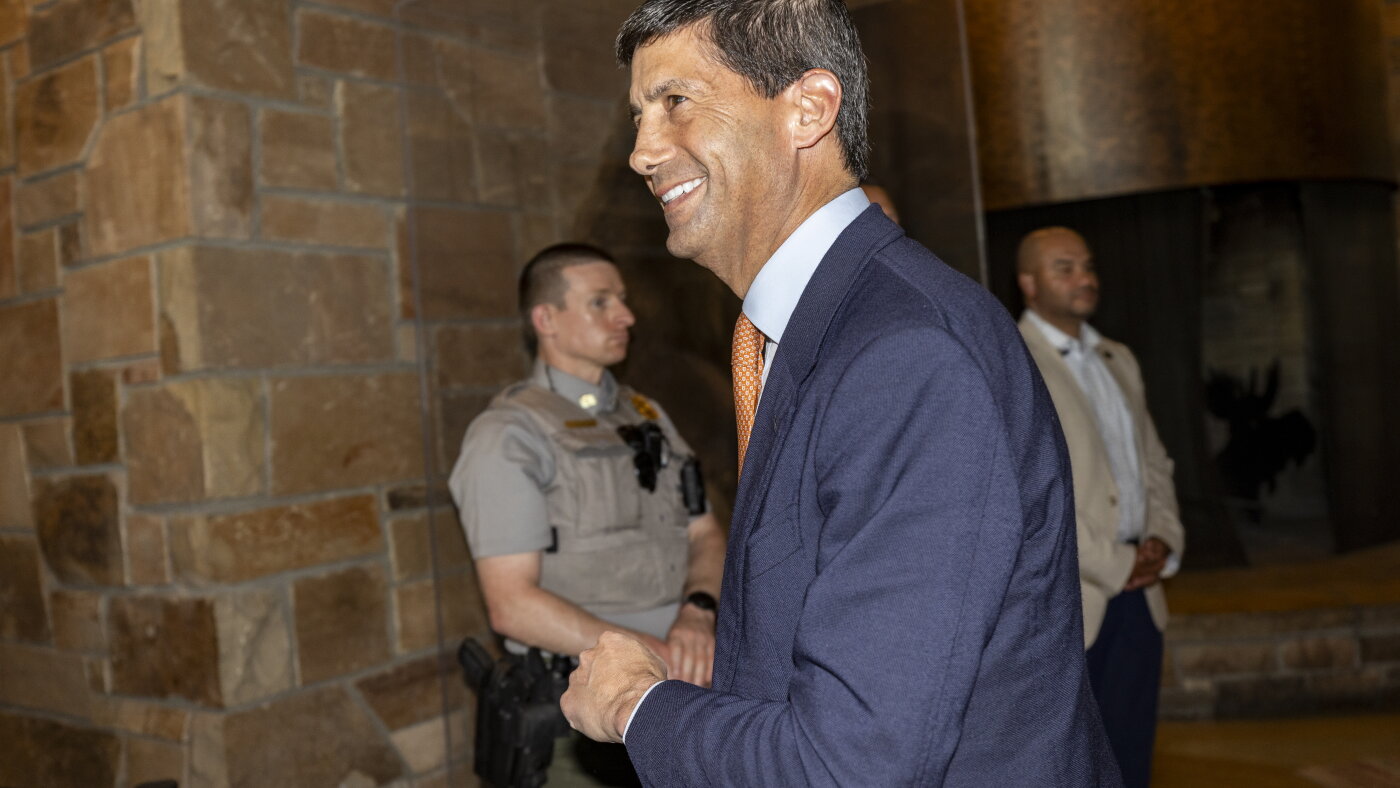
Federal Reserve Chairman Kevin Warsh delivered remarks at the Jackson Lake Lodge in Wyoming, addressing a gathering of economists and central bankers on the state of monetary policy and economic conditions. While maintaining his established practice of refraining from explicit guidance on interest rate direction, Warsh’s characterization of the inflation situation prompted financial markets to reassess the probability of near-term rate increases.
Warsh outlined several areas of economic strength, including stable labor market conditions, robust business investment, and resilient consumer spending. However, he emphasized that price growth continues to exceed the central bank’s objectives. Current data shows the consumer price index increased 3.4% over the twelve-month period ending in July, while the Fed’s core measure of inflation stood at 3.7% during the same timeframe. Warsh stated that the Federal Reserve’s primary focus should remain on achieving price stability relative to its 2% target.
Market participants interpreted Warsh’s remarks as suggesting a potential increase to the benchmark interest rate could occur as early as September. Prior to the speech, futures markets had assigned roughly a one-in-three probability to such a move; following his comments, that probability increased to above 50%. Warsh had previously disappointed market observers last month by discussing price stability objectives without providing detailed interest rate guidance.
Warsh reiterated his preference for measured Fed communications, arguing that less detailed forward guidance allows the central bank to maintain flexibility and preserve market discipline. He also discussed artificial intelligence as a potentially transformative economic development, characterizing it as a significant historical inflection point. While expressing optimism about AI’s capacity to enhance productivity and reduce costs over time, Warsh noted that elevated investment in AI infrastructure is currently contributing to inflationary pressures in construction and semiconductor sectors. He clarified that ongoing task force work examining AI would not influence near-term policy decisions.
Article Attribution | Read More at Article Source
Article summary produced by Claude AI