

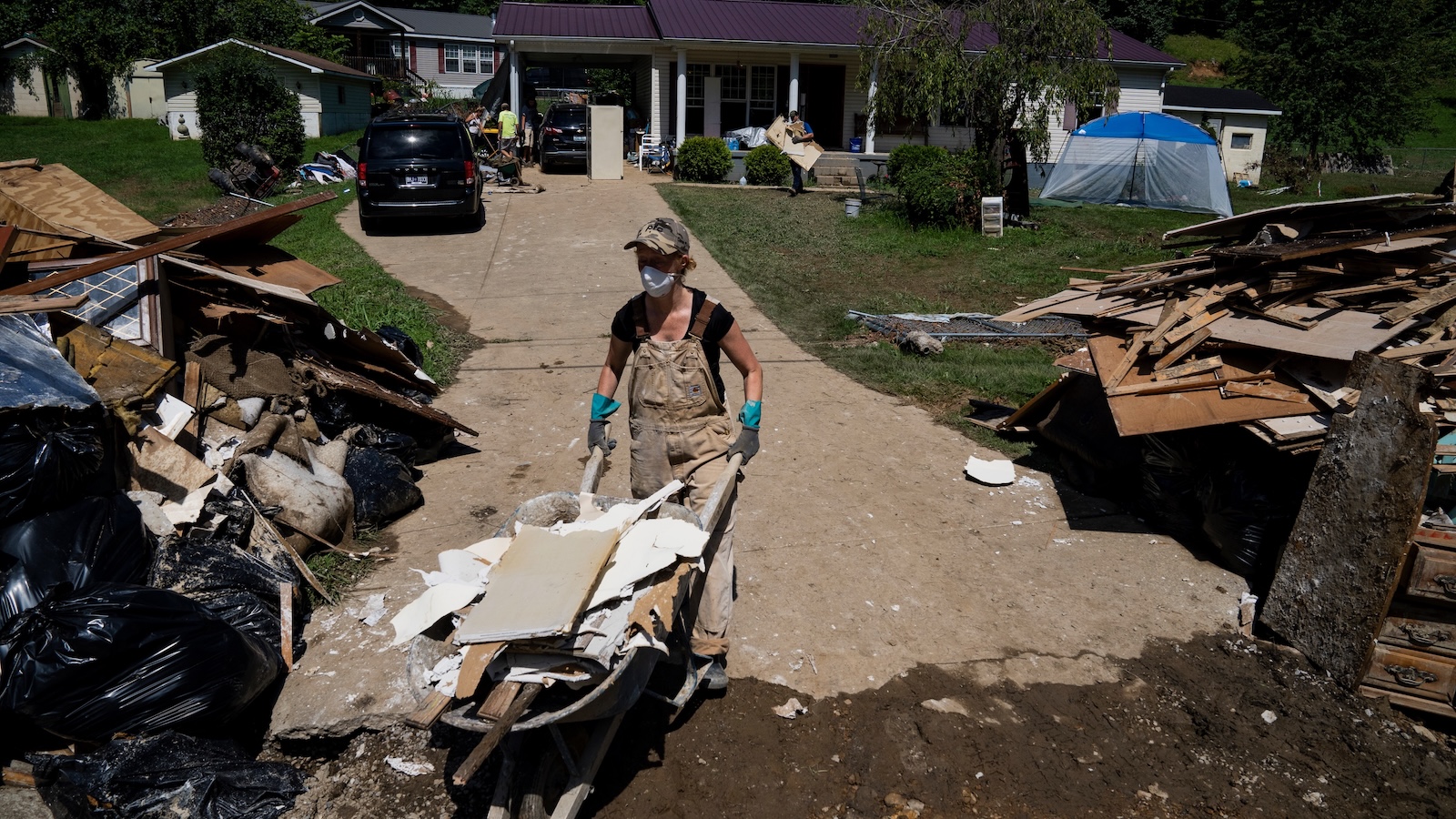
Communities in rural Appalachia continue experiencing elevated overdose death rates years after major flooding events, according to findings from a Pennsylvania State University study released recently. The research examined federal overdose death records and severe flooding patterns across rural counties in the region between 2000 and 2017, comparing 118 counties that experienced major inundation with 101 that did not. The analysis revealed that annual overdose deaths in flooded counties increased by approximately 28 percent in subsequent years, with the elevated mortality rates persisting for at least a decade following the disaster. The effects were most pronounced in economically distressed and lower-income areas.
The research was prompted by observations from health-care providers working in eastern Kentucky following catastrophic floods several years ago. Interviews conducted with workers in addiction treatment and harm reduction services identified multiple contributing factors to the prolonged spike in overdose deaths. Service disruptions proved particularly damaging, as treatment facilities struggled with recovery costs or closed entirely. Interruptions to medication-assisted treatments forced individuals to discontinue regimens like methadone, sometimes prompting relapse after weeks or months of stability. Researchers also noted that tolerance changes during abstinence periods can make resumed drug use unusually dangerous.
Beyond direct service interruptions, researchers found that lasting housing instability, job loss, and food insecurity created conditions amplifying overdose risk. The erosion of stable living conditions and economic security took substantial tolls on mental health and overall well-being. These findings reflected observations from harm reduction workers currently serving mountain communities in western North Carolina, where flooding occurred recently. Workers reported noticing spikes in overdose-related incidents correlated with anniversary periods and ongoing recovery challenges more than a year after the event.
Experts now recommend that substance use service providers receive inclusion in disaster planning and recovery conversations from the outset. Improved accessibility of addiction treatment and harm reduction services during non-disaster periods could help reduce disruptions when emergencies occur. Addressing housing shortages and economic instability remains critical for supporting long-term recovery in affected communities.
Article Attribution | Read More at Article Source
Article summary produced by Claude AI