

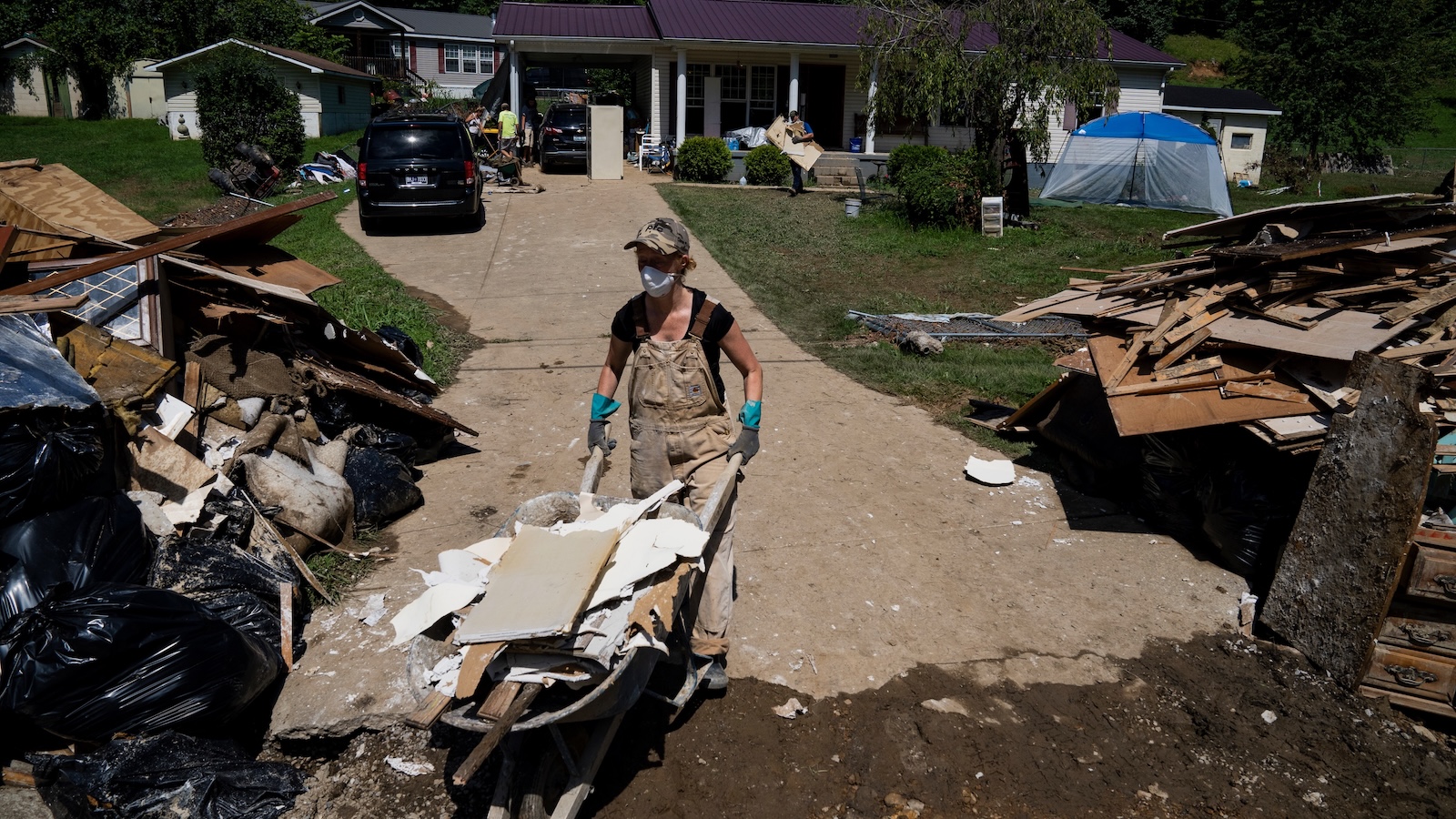
A Pennsylvania State University study published last month examined the relationship between severe flooding and opioid overdose mortality in rural Appalachian communities. The researchers analyzed federal records comparing 118 counties that experienced major flooding between 2000 and 2017 with 101 counties that did not, finding that overdose deaths began rising in the years following major inundations and remained elevated for at least a decade afterward.
The study found that annual overdose deaths in flooded counties increased by approximately 28 percent during the decade following a flood, while overdose mortality rates rose by 26 percent compared with the year before the flooding occurred. These increases were most pronounced in economically distressed and lower-income counties. The lead author of the study, Kristina Brant, began the research after observing health-care providers struggle to maintain addiction treatment and harm reduction services during catastrophic floods in eastern Kentucky in 2021 and 2022.
Interviews with health-care providers and harm reduction workers identified several factors contributing to the prolonged effects. Disrupted treatment and harm reduction services, combined with prolonged housing and economic instability, created conditions that elevated overdose risk. Additionally, the lasting effects of trauma and the interruption of medications like methadone forced some people to return to illicit opioids, increasing danger as tolerance levels changed during recovery periods. One clinic closed after flooding due to reopening costs, exemplifying how disaster can disrupt critical services.
In Madison County, North Carolina, harm reduction workers have observed troubling patterns following Hurricane Helene, noting spikes in overdose rates that they consistently relate back to the storm. Workers report that many people remain in temporary housing nearly two years after the disaster, while housing shortages have worsened and job losses continue to impact mental health. Experts recommend involving substance use service providers in disaster planning and recovery efforts from the outset to help maintain access to critical services and reduce disruptions that increase overdose risk.
Article Attribution | Read More at Article Source
Article summary produced by Claude AI