

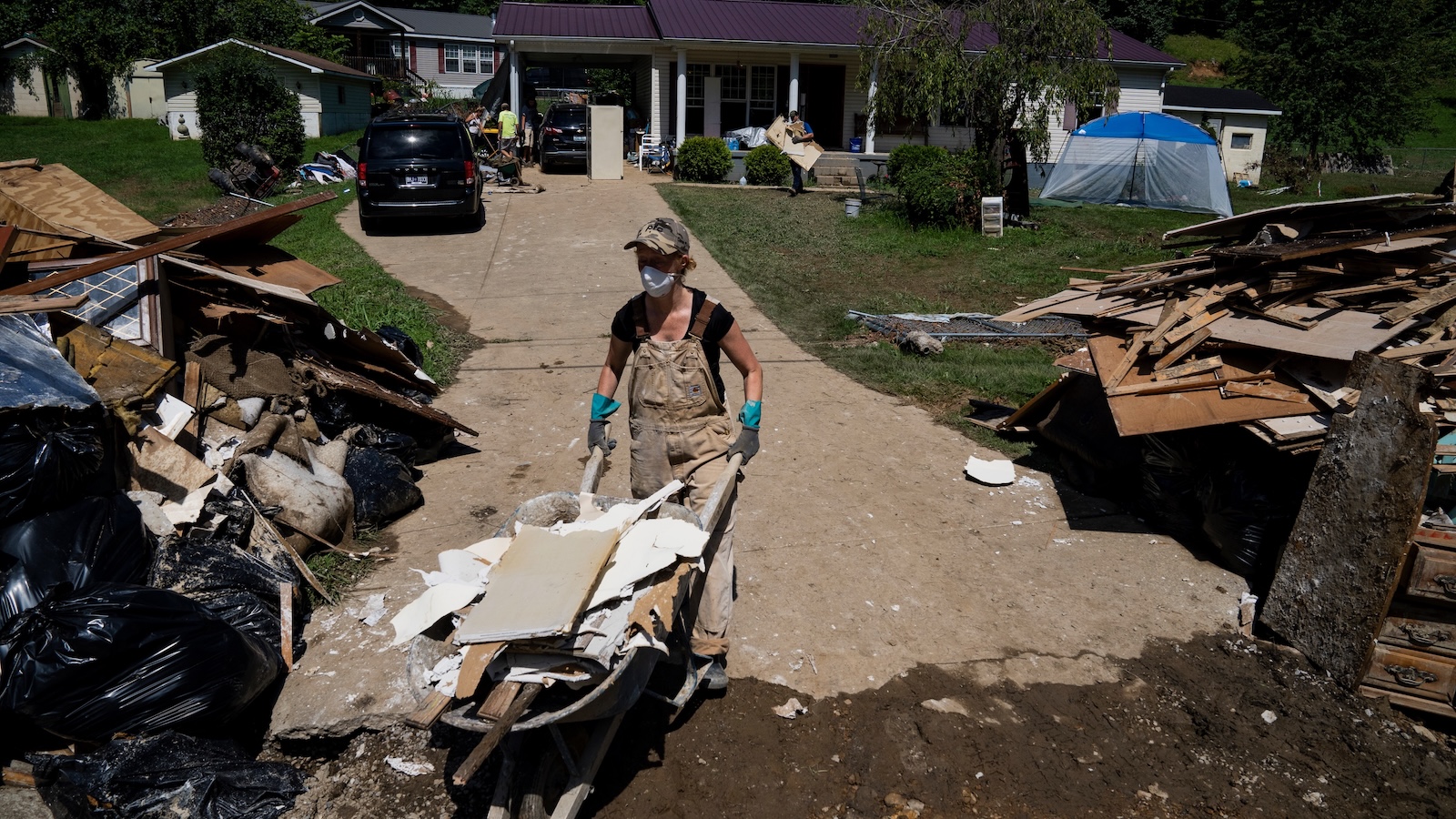
Harm reduction workers in rural North Carolina have observed a troubling pattern in the months following Hurricane Helene: spikes in overdose rates that correlate with the disaster’s aftermath. Community organizations like Holler Harm Reduction have worked to provide needles, naloxone, and medical supplies to residents still recovering from the storm’s devastation, but broader data suggests the relationship between natural disasters and substance use mortality extends far beyond individual observations.
A Pennsylvania State University study released recently examined federal overdose death records and severe flooding incidents across rural Appalachia, comparing counties that experienced major floods between 2000 and 2017 with those that did not. The research found that overdose deaths began rising in the years following major flooding events and remained elevated for at least a decade afterward. Over this period, annual overdose deaths in affected counties increased by approximately 28 percent, while mortality rates rose about 26 percent compared with pre-flood baselines. The effects were most pronounced in economically distressed and lower-income communities.
Researchers identified multiple mechanisms through which flooding increases overdose risk over extended periods. Disrupted addiction treatment and harm reduction services are a primary factor, particularly in small communities where staff may be diverted to flood recovery efforts. Additionally, treatment interruptions such as breaks in methadone access can force people back to illicit opioids, a transition especially dangerous for those whose tolerance has decreased during treatment. Broader social destabilization—including job loss, housing instability, and food insecurity—compounds mental health challenges and overdose vulnerability.
Experts emphasize that integrating substance use service providers into disaster planning and recovery efforts from the outset could help maintain continuity of care and address underlying vulnerabilities. Housing shortages in affected regions remain particularly acute, with temporary solutions becoming permanent years after disasters. Improving general resource accessibility for rural communities would help reduce both baseline barriers and disruptions caused by catastrophic events.
Article Attribution | Read More at Article Source
Article summary produced by Claude AI