

French authorities have documented a significant rise in drowning deaths during the current year, with 301 fatalities recorded since mid-June according to Sports and Youth Minister Marina Ferrari. The figure represents a 14% increase compared to the previous year and has been linked to a series of prolonged heatwaves affecting the country.
Ferrari characterized the mortality toll as tragic and identified several contributing factors to the deaths. She noted that many accidents occurred in unsupervised or unauthorized swimming areas, including open water environments such as canals. The minister also highlighted that a substantial number of drownings took place in private residential pools, particularly among elderly individuals. She explained that the sudden immersion in cold water during extremely hot weather can trigger shock in the body, and some victims may have overestimated their physical capabilities.
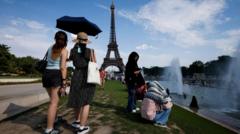
France, along with Spain and Italy, has experienced intense heatwaves that have sparked extensive wildfires across the region, with thousands of hectares burned. The extreme heat in June forced the temporary closure of a nuclear power plant in southwestern France when river temperatures exceeded safe cooling thresholds. Cultural landmarks in Paris, including the Eiffel Tower, also closed early due to dangerous heat conditions.
The broader health impact of the heatwaves has been substantial, with provisional figures from public health authorities indicating 7,300 excess deaths between late May and July. The wildfires have displaced significant populations, with more than 200,000 people evacuated from the Gironde region near Bordeaux in late July.
Climate scientists point to global warming as a driving force behind the increased frequency and intensity of heatwaves, particularly in Europe, which is warming approximately twice as fast as the global average according to the Copernicus climate service.
Article Attribution | Read More at Article Source
Article summary produced by Claude AI