

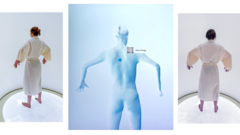
The market for private full-body health scans has expanded significantly over the past two years, with companies such as Prenuvo, Ezra, and Neko Health attracting substantial venture capital investment. These scans use advanced imaging technology and artificial intelligence to screen for various conditions including skin cancer, cardiovascular disease, type 2 diabetes, and other health issues. Neko Health’s service costs £299 and currently has 100,000 people on its waiting list. The company’s founders argue that preventative screening represents the future of healthcare, allowing early detection before symptoms develop.
However, medical professionals within the NHS have raised significant concerns about these private scanning services. NHS England has warned that their growing popularity contributes to overdiagnosis, unnecessary investigations, and avoidable anxiety among patients. The Royal College of GPs stated they have not seen convincing evidence that private broad screening tests improve health outcomes. Additionally, the results from these scans often place additional burden on the NHS as clients return for follow-up testing and treatment, sometimes for clinically insignificant findings.
Real-world experiences with these scans have produced mixed results. One woman underwent a scan knowing she had a suspicious mark on her back, which the artificial intelligence system failed to identify. Only when she pointed it out to clinical staff was it properly reviewed, ultimately leading to detection of four cancerous lesions requiring treatment. In contrast, another woman received a life-changing diagnosis when her scan detected unusually high blood sugar levels, leading to confirmation of Latent Autoimmune Diabetes in Adults—a condition she had no symptoms of at the time.
Neko Health’s data from 4,362 scans conducted at its Stockholm headquarters showed that 1.2% discovered life-threatening conditions such as melanoma and leukaemia, while 4% identified significant health conditions requiring further treatment, and 1.2% flagged reversible conditions such as pre-diabetic blood sugar levels. The company emphasizes that multiple diagnostic methods and human expertise work alongside technology to ensure patient safety. The Royal College of Radiologists argues that NHS screening programs, which target specific areas like breasts and bowel, may be more reliable than whole-body scans. Some observers, including a former health minister advising preventative healthcare companies, suggest that such scans may eventually become part of mainstream NHS care as prevention gains policy prominence.
Article Attribution | Read More at Article Source
Article summary produced by Claude AI