

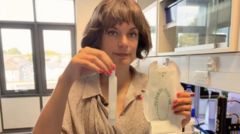
Researchers from the universities of Bristol and Exeter are launching CycleTrack, a significant research initiative designed to advance knowledge of heavy menstrual bleeding and related conditions. The study will establish what leaders describe as the world’s largest collection of dried menstrual fluid samples, combining biological data with health information from thousands of participants across the United Kingdom.
The initiative aims to address longstanding gaps in menstrual health research and accelerate diagnosis and treatment for women experiencing heavy periods, endometriosis, and fibroids. Heavy menstrual bleeding affects up to half of women worldwide and can significantly impact physical, emotional, and social wellbeing. Symptoms can include periods lasting longer than seven days, frequent need to change sanitary protection, passage of large blood clots, and signs of iron deficiency such as fatigue and dizziness. The condition remains poorly understood despite being recognized as a key health indicator, partly due to insufficient high-quality research data.
The study will recruit from two established birth cohort projects: Children of the 90s in south-west England and Born in Bradford in West Yorkshire. Participants will use a specialized application and detailed questionnaires to document symptoms, sleep patterns, mood, energy levels, and overall wellbeing. They will also provide menstrual fluid samples across three menstrual cycles using specially designed collection pads. Researchers plan to connect these samples with existing long-term health information and genetic data to identify biological signals associated with heavy menstrual bleeding.
CycleTrack is part of The Missed Vital Sign, an international program led by Wellcome Leap aimed at reducing diagnostic delays for women seeking treatment. Researchers expect the collected data to illuminate how heavy periods affect daily life, work, education, and general health, potentially informing future guidance for schools and employers. Sample collection is scheduled to begin this month, with all data collection expected by end of November 2027 and preliminary findings anticipated by early 2028.
Article Attribution | Read More at Article Source
Article summary produced by Claude AI