

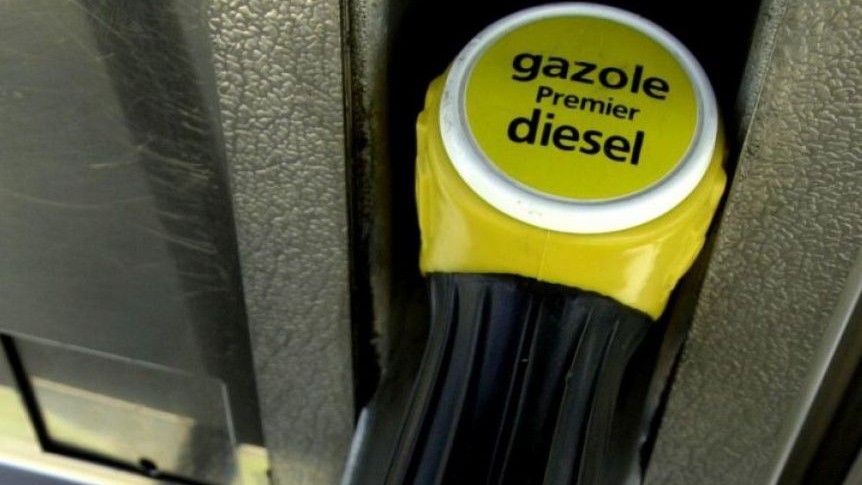
A substantial diesel shortage is developing worldwide as peak demand approaches in the coming months, driven by geopolitical tensions and supply constraints across major producing regions. Shortages have already emerged in parts of Southeast Asia, where farmers face both scarcity and elevated prices. The United States has recorded record-high diesel exports in early August at 1.9 million barrels daily, while Russia, traditionally the world’s second-largest exporter, has implemented an export ban to manage domestic supply pressures caused by drone attacks on its refinery infrastructure.
The supply crunch presents particular challenges for major importing regions, especially the European Union. Between 2009 and 2024, approximately 30 refineries closed in the EU, with an additional 400,000 barrels of daily capacity scheduled for closure in 2025 due to stricter emission reduction regulations that have significantly increased operating costs. This structural decline leaves Europe increasingly vulnerable to global market disruptions. Additional complications stem from the disappearance of Russian diesel supplies and increased competition from emerging importers such as Brazil and Turkey, which traditionally relied on Russian fuel. Meanwhile, production from Middle Eastern refineries remains severely disrupted.
Market indicators suggest the situation is deteriorating. European diesel prices have risen 40% since mid-June compared to only 5% increases in crude oil prices over the same period. Diesel inventories in the EU have contracted by 30% since March, while U.S. inventories have fallen to their lowest levels since 1996. Industry experts warn of steep price increases that will cascade through consumer goods and services, potentially creating political pressure in affected regions.
Analysts note that sustained relief appears unlikely in the near term. U.S. refineries cannot maintain record export levels indefinitely while meeting domestic needs, and Asian refineries are unlikely to redirect supplies to Europe given their own constraints. The situation becomes more acute when natural gas is considered, as European gas stocks remain below seasonal averages heading into winter, with potential shortages a concern for the coming cold months.
Article Attribution | Read More at Article Source
Article summary produced by Claude AI