

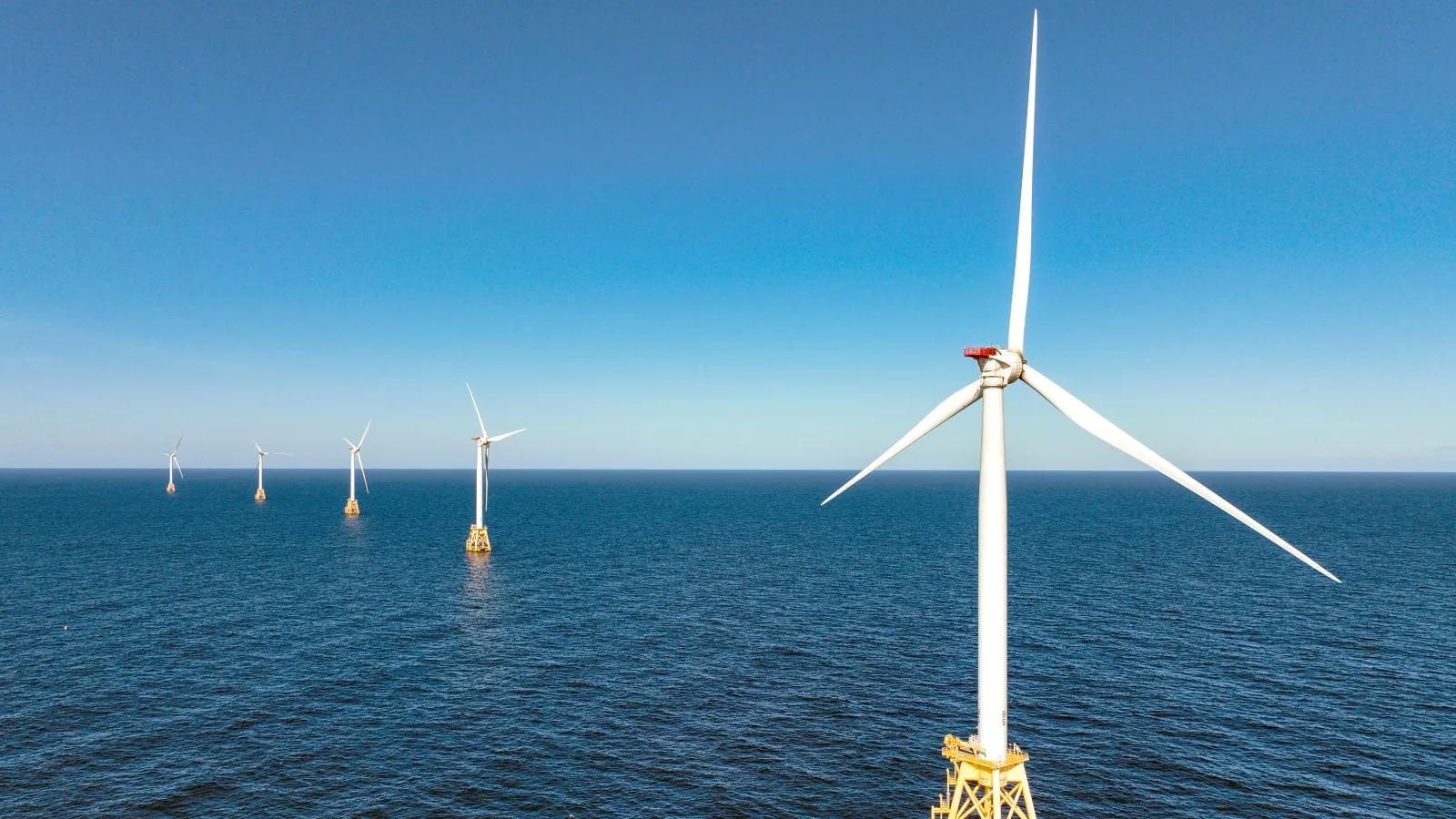
Two offshore wind projects near New England supplied hundreds of megawatts to the regional power grid during dangerously hot conditions earlier this month, according to analysis by the data firm Grid Status. The influx of wind energy decreased utilities’ dependence on oil-burning peaker plants, which typically operate only during peak electricity demand periods.
Comparative analysis between the July heat wave and a similar weather event in June 2025—before significant offshore wind capacity became operational—showed measurable differences in energy generation patterns. On the region’s hottest day, oil accounted for nearly 10 percent of peak power supply, down from approximately 15 percent during the previous year’s corresponding peak. This represented a reduction of more than one gigawatt in oil-fueled generation between the two events. While overall electricity demand was slightly lower during the more recent period, Grid Status analysts attributed a substantial portion of the decline to increased output from utility-scale offshore wind facilities.
The performance of offshore wind during the summer heat wave complements its previously documented benefits during winter conditions. New England’s power infrastructure faces increasing strain during colder months due to the regional shift toward electric heating systems. Summer winds are generally weaker, yet recent data confirms that offshore turbines continue to provide meaningful grid support during extreme heat events that drive air conditioning demand.
Two major projects contributed to these results. The Vineyard Wind facility, with 806 megawatts of capacity off Massachusetts, completed construction in March and had activated 49 of its 62 turbines as of early May. The Revolution Wind project, rated at 704 megawatts near Rhode Island, began delivering power to the grid in March and is expected to reach full commercial capacity by the second half of 2026. When all five large-scale offshore wind projects under construction become fully operational, they will add nearly 6 gigawatts of clean energy capacity to support the East Coast during extreme weather conditions.
Article Attribution | Read More at Article Source
Article summary produced by Claude AI