

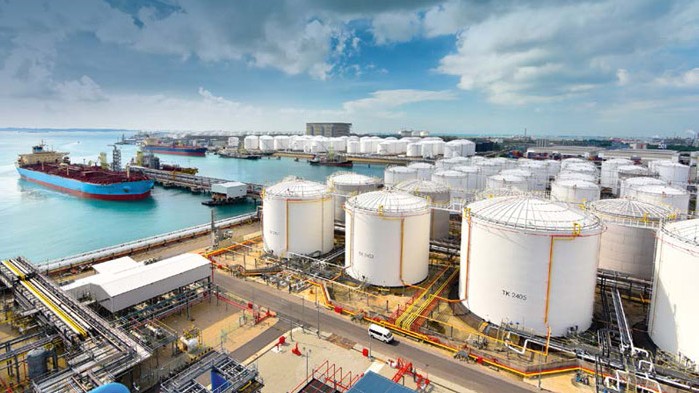
Oil markets experienced notable upward pressure this week, with Brent crude posting a 5% weekly gain as geopolitical tensions in the Middle East intensified. The Strait of Hormuz has become a focal point of conflict, with Iranian forces increasing attacks on commercial vessels while the US maintains a maritime blockade on Iranian crude exports. Negotiations between Washington and Tehran have stalled repeatedly, pushing Brent crude toward the $100 per barrel threshold from its current level around $88 per barrel. A substantial 17-million-barrel build in US crude inventories provided some counterweight to the bullish sentiment, though analysts suggest that continued naval disruptions could overcome this temporary offset.
Global oil demand forecasts have become increasingly uncertain amid the escalating Hormuz crisis. OPEC revised downward its 2026 global oil demand growth projection to 580,000 barrels per day, marking the fourth consecutive monthly reduction in its outlook. Meanwhile, the International Energy Agency projected a more severe contraction of 1.6 million barrels per day in global demand due to record fuel prices, though it simultaneously warned of a 4.3 million barrel-per-day supply deficit for the year. These competing dynamics have created significant volatility in physical crude supply negotiations, with Saudi Aramco arranging individual talks with Asian buyers as shipping disruptions extend beyond the Hormuz Strait into the Red Sea region.
Disruptions to global energy infrastructure extended beyond the Middle East during the period. Ukraine reportedly proposed a Black Sea shipping truce with Russia to address a 76% year-on-year decline in grain exports, which raised fresh concerns about global food supply security. Meanwhile, a Ukrainian drone strike completely disabled Russia’s Orsk refinery, a 115,000 barrel-per-day facility, with repairs potentially requiring up to six months. Additional regional infrastructure damage included an explosion at a major Rotterdam terminal and a power failure that halted a large European refinery. These cascading supply disruptions across multiple geopolitical flashpoints contributed to the broader upward pressure on crude valuations despite demand destruction signals.
Article Attribution | Read More at Article Source
Article summary produced by Claude AI