

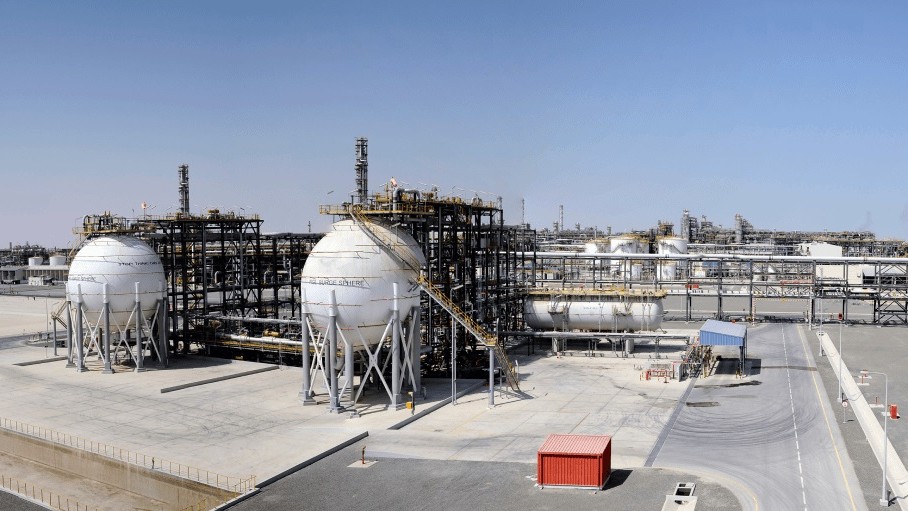
The Strait of Hormuz remains functionally closed due to continued Iranian military operations against vessels, creating widespread disruption across global liquefied petroleum gas markets and supply chains. While crude oil and natural gas shortages have dominated media coverage, LPG trade has experienced equally significant impacts. Major Gulf exporters including Saudi Arabia, the UAE, and Qatar have seen their shipments severely constrained, leaving a critical gap in global energy supply.
The immediate market effects have been pronounced. Daily tanker traffic through the strait declined from approximately 54 vessels before the conflict to roughly 11 vessels by mid-June. Propane prices from the Texas Gulf Coast surged nearly 10% during the conflict’s peak in early March, with per-gallon costs rising approximately 25% above pre-war levels by mid-June. These price movements reflect acute supply tightness resulting from the strait’s closure and underscore the vulnerability of over-reliance on a single geographic chokepoint.
The United States has emerged as the world’s leading LPG producer and exporter, a position solidified following the shale revolution of the 2000s. American exports now carry lower perceived risk and insurance costs compared to Gulf-based supplies, fundamentally altering global trade logistics. India and other traditional importers of Middle Eastern propane have increasingly shifted procurement toward American sources. Additional pressure on alternative suppliers has come from European Union sanctions on Russian LPG exports, further redirecting market flows toward US suppliers.
Global demand for LPG continues expanding as nations seek cleaner fossil fuel alternatives for cooking, heating, and transportation. Current production volumes are projected to exceed 213 million metric tons in 2026 and reach 260 million metric tons by 2031. Asia is experiencing significant LPG oversupply this year, largely from increased US shipments. Four countries currently supply approximately 60% of global LPG, yet most of the world’s population depends on imports.
Private commodity trading firms have become critical infrastructure for managing supply disruptions. Major players including BGN Group, Petredec, and Mitsui operate flexible fleets capable of navigating alternative routes and adapting to geopolitical volatility. These firms physically move supplies across shifting market conditions and are instrumental in maintaining supply chain stability during periods of regional conflict and trade route instability.
Article Attribution | Read More at Article Source
Article summary produced by Claude AI