

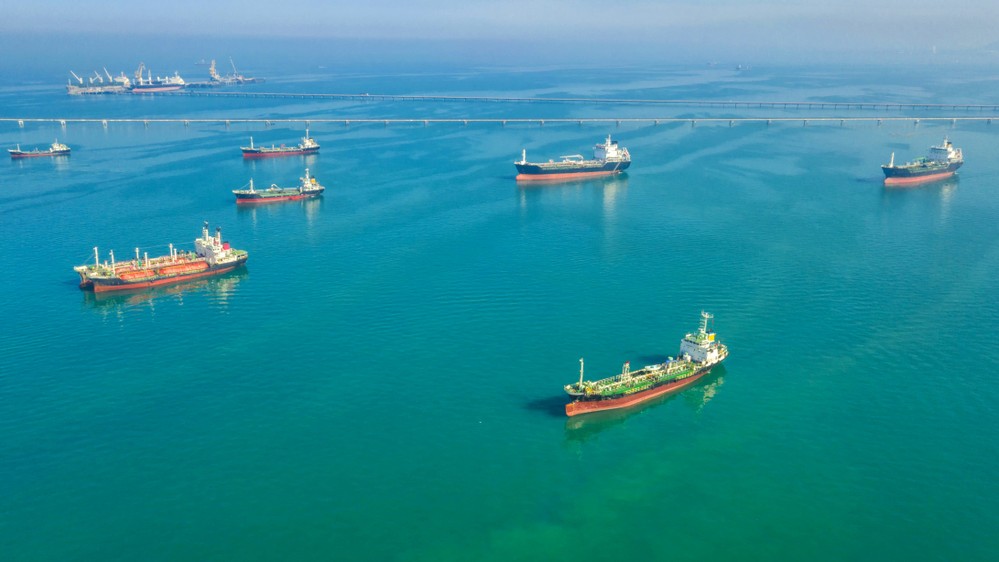
The Strait of Hormuz has been formally reopened to shipping following U.S. mine-clearing operations in internationally recognized lanes, yet commercial activity remains far below pre-conflict levels. Only five commodity vessels transited on Tuesday, compared to approximately 130 daily crossings before the conflict began. Iran is permitting a temporary and limited corridor but has tied complete normalization to several conditions: removal of sanctions, cessation of the U.S. blockade, and an end to Israeli military operations in Gaza, Lebanon, and Syria. The Israeli requirement presents a significant obstacle, as Washington cannot guarantee Israeli compliance with a ceasefire across three separate theaters, and Israel has demonstrated limited willingness to cease operations throughout the current conflict.
The Trump administration is pursuing a strategy of economic pressure and blockade enforcement to push Iran toward accepting less favorable terms than those offered in a previous June agreement. Iran, conversely, is betting it can withstand the economic pressure longer than Western and Gulf states can tolerate restricted Hormuz operations. Simultaneously, Saudi Arabia has reiterated that it will not normalize relations with Israel without an independent Palestinian state, complicating Trump’s efforts to tie Saudi-Israeli normalization to the kingdom’s new 30-year civilian nuclear agreement now under congressional review.
Regional diplomatic tensions have intensified on multiple fronts. The UAE’s president has sent a direct letter to Saudi Arabia’s king, bypassing the crown prince in what observers characterize as a deliberate escalation of their ongoing dispute over Yemen, Sudan, and regional security alignment. Turkey has increased its lobbying efforts in Washington, contracting with a well-connected firm for $200,000 monthly as it competes with Israel over U.S. policy regarding Syria and seeks reinstatement to the F-35 fighter program. Canada, meanwhile, announced retaliatory tariffs of up to 50% on nearly $20 billion of U.S. goods effective September 8 following collapsed trade negotiations.
In energy sector developments, Energean is pursuing exclusive negotiations to acquire approximately $1 billion of BP’s Egyptian oil and gas assets, seeking to reduce concentration risk tied to repeated conflict-related shutdowns in Israel. Separately, commodity trader Gunvor is negotiating the purchase of up to $1.5 billion in Haynesville natural gas assets across East Texas and Louisiana as it develops a U.S. gas business centered on liquefied natural gas exports and rising domestic power demand.
Article Attribution | Read More at Article Source
Article summary produced by Claude AI